THE ADVENTURE COLLECTIVE® · Independent discovery and booking for outdoor travel

A focused 4-day Rescue Diver and Emergency First Response course launched from Koh Kood that combines classroom theory, in-water rescue drills and CPR/AED training — ideal for divers wanting confident emergency skills.
A focused 4-day Rescue Diver and Emergency First Response course launched from Koh Kood that combines classroom theory, in-water rescue drills and CPR/AED training — ideal for divers wanting confident emergency skills.
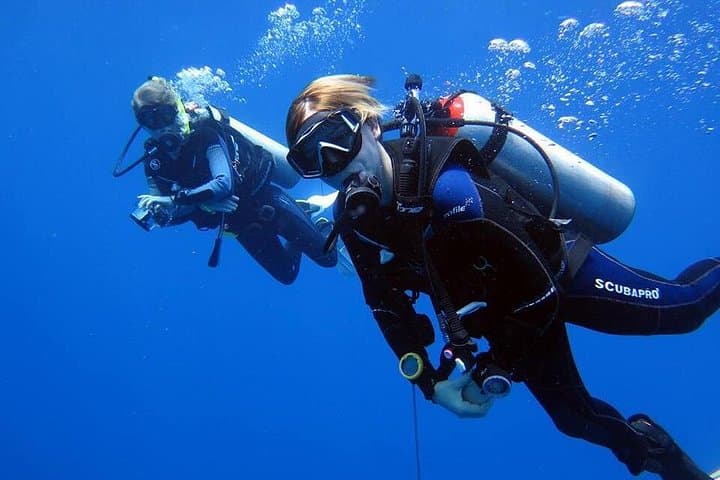
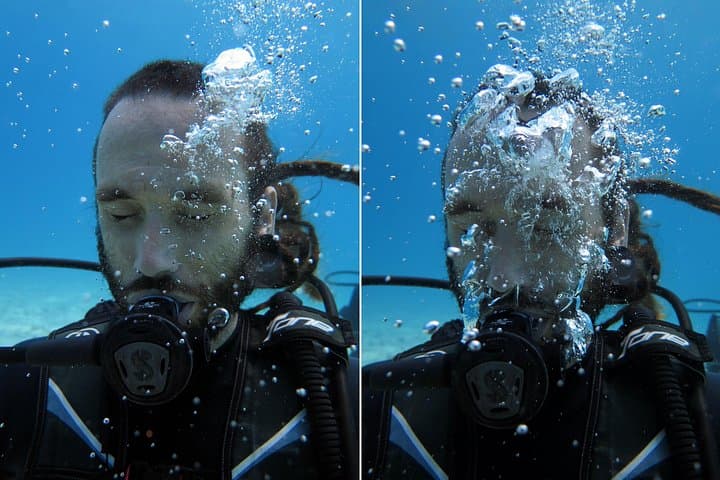
You step off the longtail onto a coral-scattered beach and feel the ocean inspect you — warm water, a faint current nudging at your fins. Over four days around Koh Kood (Ko Kut) the course tightens the skills that keep divers safe: problem recognition, surface and in-water rescues, and emergency first response with mannequins and a defibrillator trainer.
Verified experiences and guided adventures in the surrounding area.
Operated by bbdivers · Koh Kood (Ko Kut), Trat Province
You step off the longtail onto a coral-scattered beach and feel the ocean inspect you — warm water, a faint current nudging at your fins. Over four days around Koh Kood (Ko Kut) the course tightens the skills that keep divers safe: problem recognition, surface and in-water rescues, and emergency first response with mannequins and a defibrillator trainer.
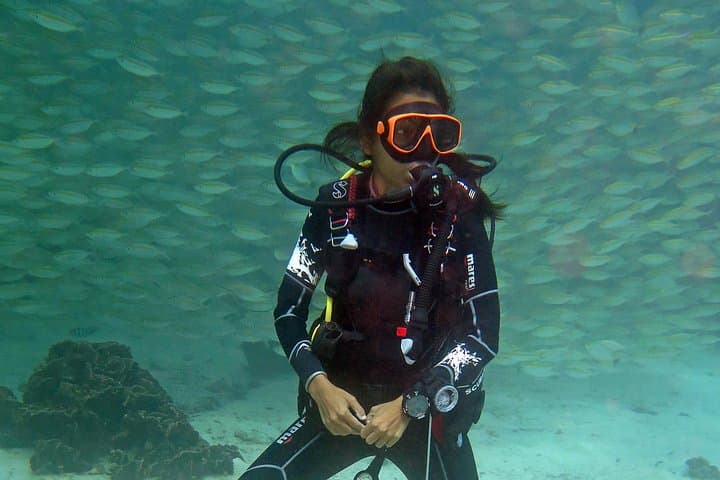
Koh Kood sits at the southern edge of the Mu Ko Chang National Park; its volcanic bedrock and coral platforms create shallow reefs with abundant fish life and small pinnacles ideal for confined rescue practice. The island has a recent history as a fishing and coconut community, and today tourism is built around low-impact diving and local hospitality.
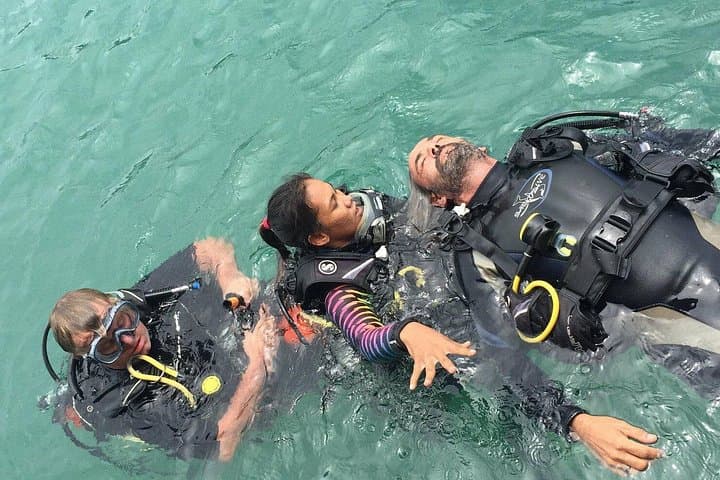
Expect classroom theory and video on day one, followed by two days of in-shore and open-sea rescue scenarios — towing, casualty management, and simulated panics — plus an EFR module focused on CPR, AED use, and basic first aid. The operator provides hotel transfers, boat trips, diving gear, lunch, snacks and water; note the national park entrance fee is additional (≈400 THB).
Practically: arrive rested, with your Open Water certification and logbook, and be ready for repetitive practical drills that are physically demanding. Hydration, sun protection between sessions, and a dive medical if you have health concerns are sensible. Small group sizes mean personalized feedback; by course end you’ll hold internationally recognized Rescue Diver and EFR credentials and a clearer sense of how to keep a buddy alive in the water.
You must hold an Open Water Diver certification; instructors will check your certification card and logbook on arrival.
No — the Mu Ko Chang National Park entrance fee (about 400 THB per diver) is payable locally and not included in the course price.
Yes — the operator offers a half‑day EFR course tailored for children covering CPR and basic first aid.
The course is not recommended for pregnant travelers or those with significant cardiovascular or respiratory conditions; obtain medical clearance if in doubt.
bbdivers operates guided outdoor trips and adventures with an emphasis on safety, stewardship, and memorable experiences.
You step off the longtail onto a coral-scattered beach and feel the ocean inspect you — warm water, a faint current nudging at your fins. Over four days around Koh Kood (Ko Kut) the course tightens the skills that keep divers safe: problem recognition, surface and in-water rescues, and emergency first response with mannequins and a defibrillator trainer.
You step off the longtail onto a coral-scattered beach and feel the ocean inspect you — warm water, a faint current nudging at your fins. Over four days around Koh Kood (Ko Kut) the course tightens the skills that keep divers safe: problem recognition, surface and in-water rescues, and emergency first response with mannequins and a defibrillator trainer.
Koh Kood sits at the southern edge of the Mu Ko Chang National Park; its volcanic bedrock and coral platforms create shallow reefs with abundant fish life and small pinnacles ideal for confined rescue practice. The island has a recent history as a fishing and coconut community, and today tourism is built around low-impact diving and local hospitality.
Expect classroom theory and video on day one, followed by two days of in-shore and open-sea rescue scenarios — towing, casualty management, and simulated panics — plus an EFR module focused on CPR, AED use, and basic first aid. The operator provides hotel transfers, boat trips, diving gear, lunch, snacks and water; note the national park entrance fee is additional (≈400 THB).
Practically: arrive rested, with your Open Water certification and logbook, and be ready for repetitive practical drills that are physically demanding. Hydration, sun protection between sessions, and a dive medical if you have health concerns are sensible. Small group sizes mean personalized feedback; by course end you’ll hold internationally recognized Rescue Diver and EFR credentials and a clearer sense of how to keep a buddy alive in the water.