THE ADVENTURE COLLECTIVE® · Independent discovery and booking for outdoor travel

Climb a converted tramway of 1,077 steps, then trade summit panoramas for raw shorebreaks and local plate lunches on an eight-hour guided loop of southeast O'ahu. This full-day tour pairs a physically demanding hike with curated beach stops and regional history.
Climb a converted tramway of 1,077 steps, then trade summit panoramas for raw shorebreaks and local plate lunches on an eight-hour guided loop of southeast O'ahu. This full-day tour pairs a physically demanding hike with curated beach stops and regional history.
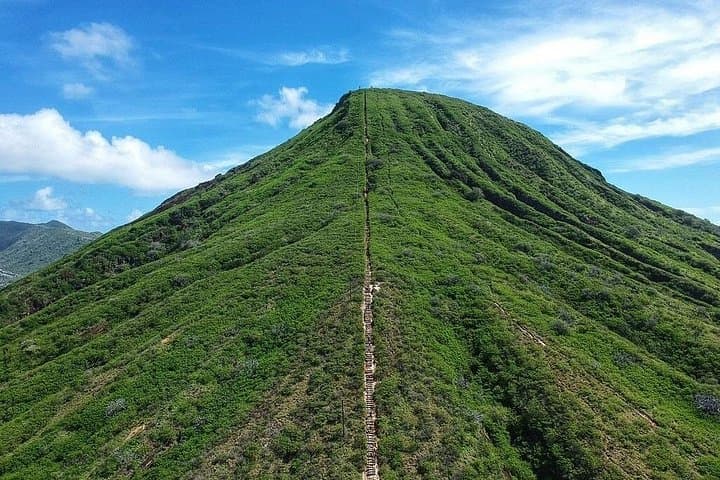
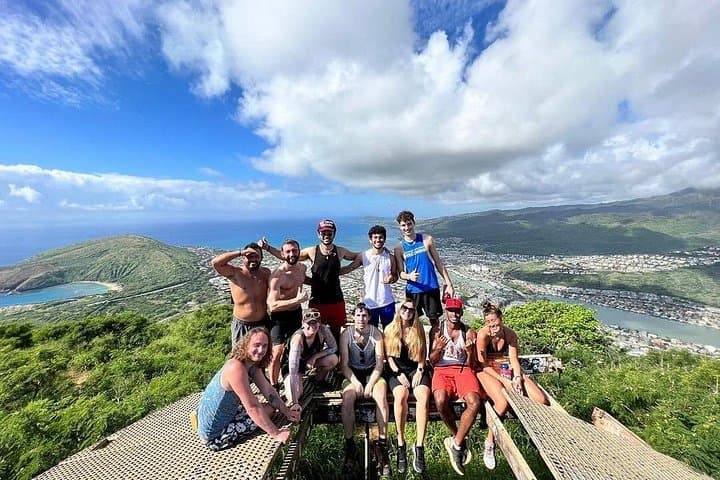
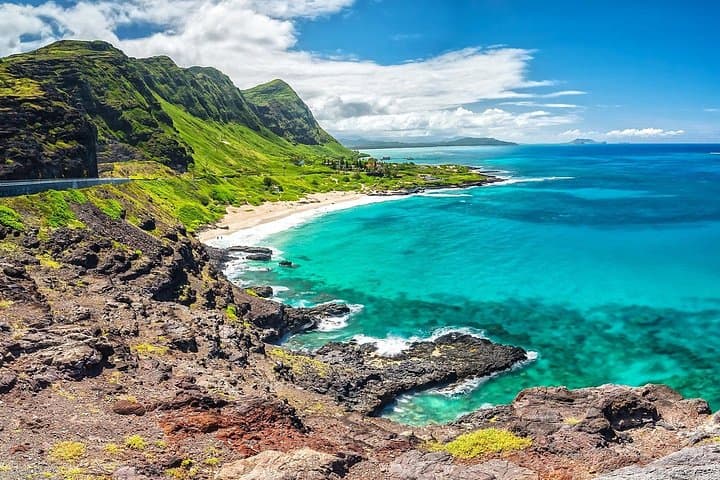
Before the sun fully clears the ridge, a line of weathered sleepers—those 1,077 railway ties—casts long, rhythmic shadows up Koko Head. The climb begins not as a hike so much as a conversation with gravity: each step is a small negotiation, each crest an earned breath. By the time the Pacific opens beneath you, it feels as if the land has slowly pushed you to this ledge, offering an uncommonly broad view of southeast O'ahu—Makapu'u’s white teeth, the blue hush of Sandy Beach, and the braided coastline stretching toward Waimanalo.
Verified experiences and guided adventures in the surrounding area.
Operated by Aloha Paradise Tours · Honolulu, Hawaii
Before the sun fully clears the ridge, a line of weathered sleepers—those 1,077 railway ties—casts long, rhythmic shadows up Koko Head. The climb begins not as a hike so much as a conversation with gravity: each step is a small negotiation, each crest an earned breath. By the time the Pacific opens beneath you, it feels as if the land has slowly pushed you to this ledge, offering an uncommonly broad view of southeast O'ahu—Makapu'u’s white teeth, the blue hush of Sandy Beach, and the braided coastline stretching toward Waimanalo.
Koko Head’s stairway is not an ancient trail but the bones of a defunct tramway once used to haul material to the crater rim—now repurposed by hikers into a steep, efficient ascent. The crater itself is volcanic tuff carved by wind and time; its slopes host pockets of dryland vegetation that defy the ocean spray. Nearby, Makapu'u Point carries maritime history: a lighthouse that guided vessels along this lee of reefs, and headlands that have long been part of Native Hawaiian fishing routes.
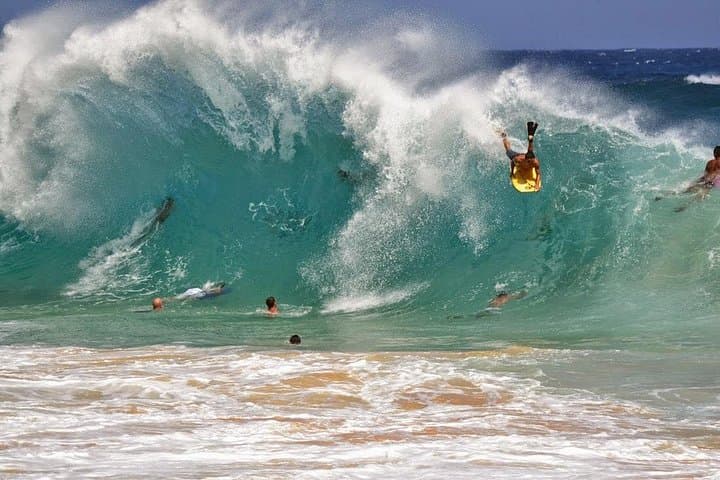
Culture here is kinetic: surfers and bodysurfers test the famously loud shorebreak at Sandy’s, locals trade plate lunches and shave ice at roadside stands, and guides share stories about reef stewardship and the old railway that made this route possible. Guides on this full-day tour knit these elements into a single arc—an intense stair climb followed by relaxed beach stops—so travelers get both exertion and the island’s softer pace.
Practically, the day is tightly paced. The listed 1077 steps are a solid cardiovascular workout; the operator schedules roughly eight hours total, including transport, a lunch stop with local options (poke, plate lunches, acai), a Makapu'u viewpoint stop, and a guided visit to Sandy Beach. Expect exposed, sunbaked trail sections on the ascent and wind-pruned scrub higher up. Trails are technically simple—no ropes or scrambling—but steep and uneven. Guides provide local context, safety guidance around Sandy’s powerful shorebreak, and route logistics, including hotel pickup 30 minutes before departure.
For a successful day: hydrate early and often, wear grippy shoes (not flip-flops), and pack reef-safe sunscreen and swim gear for post-hike beach time. Time your camera for the summit light—mornings cut the glare—and listen to your guide about where it’s safe to swim; Sandy’s is best observed and appreciated by experienced bodysurfers. When you come down from the rails and into the warm sand, the contrast is immediate but deliberate: exertion followed by the salt-soaked relief that defines a good Hawaiian day.
The climb is steep and continuous—1077 railway ties—so it’s cardio-intensive; it’s suitable for people in good fitness but not for those with spinal or serious heart conditions.
Yes—the itinerary includes a lunch stop with local options like plate lunches and poke; restrooms are available at scheduled stops but not along the stairway itself.
Sandy Beach often has powerful shorebreaks; guides will advise on conditions—swimming is only recommended for experienced bodysurfers and when lifeguards deem it safe.
Yes—pickup is available from many Waikiki hotels, beginning about 30 minutes before departure; be on time to avoid being left behind.
Wear breathable layers, a hat, and sturdy shoes with good traction; bring swimwear and a light cover-up for beach time.
Not recommended for pregnant travelers or those with spinal, heart, or severe mobility issues; children who are fit and accustomed to strenuous activity may join but check with the operator first.
Aloha Paradise Tours operates guided outdoor trips and adventures with an emphasis on safety, stewardship, and memorable experiences.
Before the sun fully clears the ridge, a line of weathered sleepers—those 1,077 railway ties—casts long, rhythmic shadows up Koko Head. The climb begins not as a hike so much as a conversation with gravity: each step is a small negotiation, each crest an earned breath. By the time the Pacific opens beneath you, it feels as if the land has slowly pushed you to this ledge, offering an uncommonly broad view of southeast O'ahu—Makapu'u’s white teeth, the blue hush of Sandy Beach, and the braided coastline stretching toward Waimanalo.
Before the sun fully clears the ridge, a line of weathered sleepers—those 1,077 railway ties—casts long, rhythmic shadows up Koko Head. The climb begins not as a hike so much as a conversation with gravity: each step is a small negotiation, each crest an earned breath. By the time the Pacific opens beneath you, it feels as if the land has slowly pushed you to this ledge, offering an uncommonly broad view of southeast O'ahu—Makapu'u’s white teeth, the blue hush of Sandy Beach, and the braided coastline stretching toward Waimanalo.
Koko Head’s stairway is not an ancient trail but the bones of a defunct tramway once used to haul material to the crater rim—now repurposed by hikers into a steep, efficient ascent. The crater itself is volcanic tuff carved by wind and time; its slopes host pockets of dryland vegetation that defy the ocean spray. Nearby, Makapu'u Point carries maritime history: a lighthouse that guided vessels along this lee of reefs, and headlands that have long been part of Native Hawaiian fishing routes.
Culture here is kinetic: surfers and bodysurfers test the famously loud shorebreak at Sandy’s, locals trade plate lunches and shave ice at roadside stands, and guides share stories about reef stewardship and the old railway that made this route possible. Guides on this full-day tour knit these elements into a single arc—an intense stair climb followed by relaxed beach stops—so travelers get both exertion and the island’s softer pace.
Practically, the day is tightly paced. The listed 1077 steps are a solid cardiovascular workout; the operator schedules roughly eight hours total, including transport, a lunch stop with local options (poke, plate lunches, acai), a Makapu'u viewpoint stop, and a guided visit to Sandy Beach. Expect exposed, sunbaked trail sections on the ascent and wind-pruned scrub higher up. Trails are technically simple—no ropes or scrambling—but steep and uneven. Guides provide local context, safety guidance around Sandy’s powerful shorebreak, and route logistics, including hotel pickup 30 minutes before departure.
For a successful day: hydrate early and often, wear grippy shoes (not flip-flops), and pack reef-safe sunscreen and swim gear for post-hike beach time. Time your camera for the summit light—mornings cut the glare—and listen to your guide about where it’s safe to swim; Sandy’s is best observed and appreciated by experienced bodysurfers. When you come down from the rails and into the warm sand, the contrast is immediate but deliberate: exertion followed by the salt-soaked relief that defines a good Hawaiian day.