THE ADVENTURE COLLECTIVE® · Independent discovery and booking for outdoor travel

An 11-day traverse of the Kokoda Track leads through steep jungle ridges, WWII battle sites and remote villages. This trek combines challenging terrain with deep cultural and historical insight—expect river crossings, long ascents, and nights under canvas.
An 11-day traverse of the Kokoda Track leads through steep jungle ridges, WWII battle sites and remote villages. This trek combines challenging terrain with deep cultural and historical insight—expect river crossings, long ascents, and nights under canvas.
Mist hangs low on a ridge as a small group tightens boots and steps onto the first mud-slick switchback of the Kokoda Track. The jungle presses close—ferns brushing legs, birds calling overhead—while guides point out cairns and rusted relics that mark the route soldiers fought over in 1942.
Verified experiences and guided adventures in the surrounding area.
Operated by No Roads Expeditions · Popondetta, Oro Province
Mist hangs low on a ridge as a small group tightens boots and steps onto the first mud-slick switchback of the Kokoda Track. The jungle presses close—ferns brushing legs, birds calling overhead—while guides point out cairns and rusted relics that mark the route soldiers fought over in 1942.
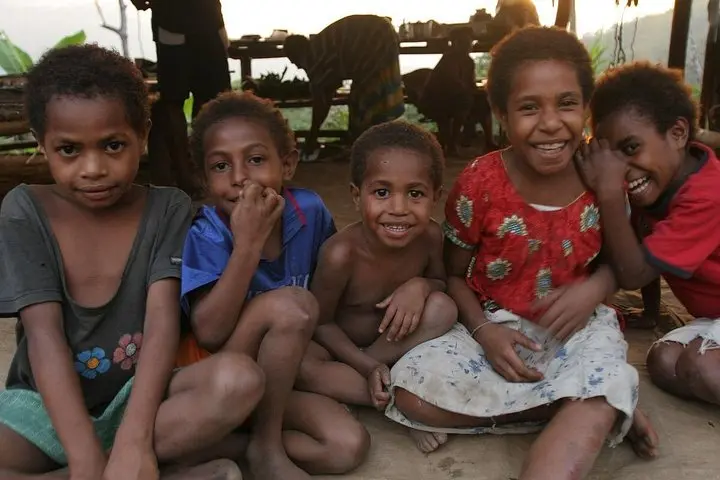
The trek traverses the spine of the Owen Stanley Ranges, a volcanic and metamorphic landscape carved by steep ridges, narrow saddles and fast-flowing rivers like the Kumusi. Sites such as Isurava and Brigade Hill are both battlefield and memorial: open grasslands and dense rainforest where Australian and Papuan histories intersect. Villages along the way are largely Seventh-day Adventist communities; visitors often attend services, buy fresh cassava or share meals prepared by local cooks.
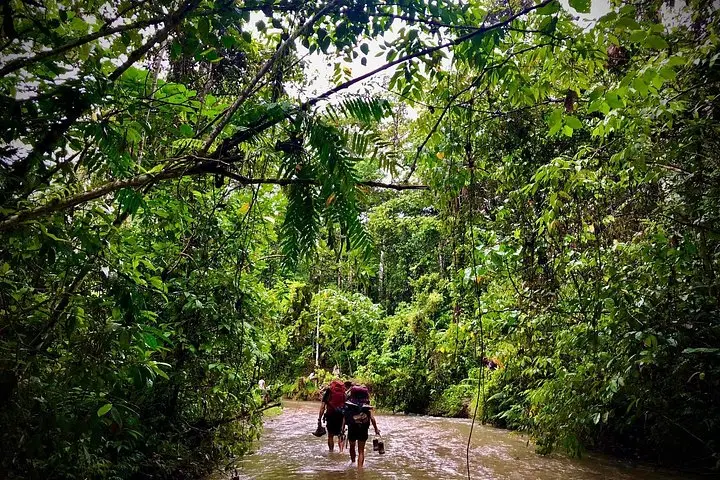
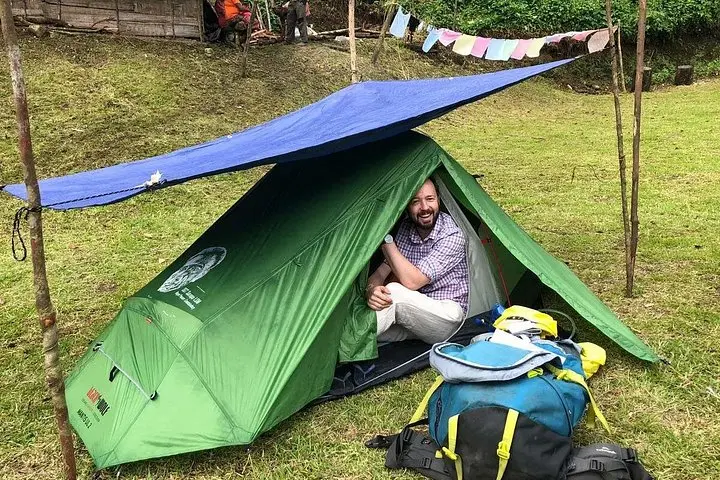
Expect sustained climbs (Mt Bellamy is the track’s high point), frequent river crossings, and long days on muddy, root-strewn trail. Guides and local porters carry heavy gear; trekkers carry day packs and essentials. Camping is standard—nine nights under canvas—while starts and finishes include hotel nights in Port Moresby.
Practical edge: train on hills and packs before you go, break in waterproof boots, and plan for tropical wet-season conditions that turn crossings and trails hazardous. Permits are required and responsible operators contribute to village payments and conservation efforts. Arrive with insect repellent, a good headlamp, and a willingness to move deliberately—this is a route that tests legs and rewards perspective.
You should have a high level of fitness—expect consecutive long days (5–9+ hours), steep ascents/descents, and uneven terrain; prior multi-day hiking with a pack is strongly recommended.
They can be—crossings range from ankle-deep fords to strong, high-flow sections in the wet season; guides assess conditions and use local knowledge to choose safe lines.
The itinerary includes nine nights camping on the track (tents and shared facilities provided), plus two nights in a hotel (Port Moresby) at the start or end of the trip.
Trek permits are required and usually handled by the operator; up-to-date vaccinations (including tetanus and typhoid) and malaria prophylaxis are recommended—check with a travel clinic before departure.
No Roads Expeditions operates guided outdoor trips and adventures with an emphasis on safety, stewardship, and memorable experiences.
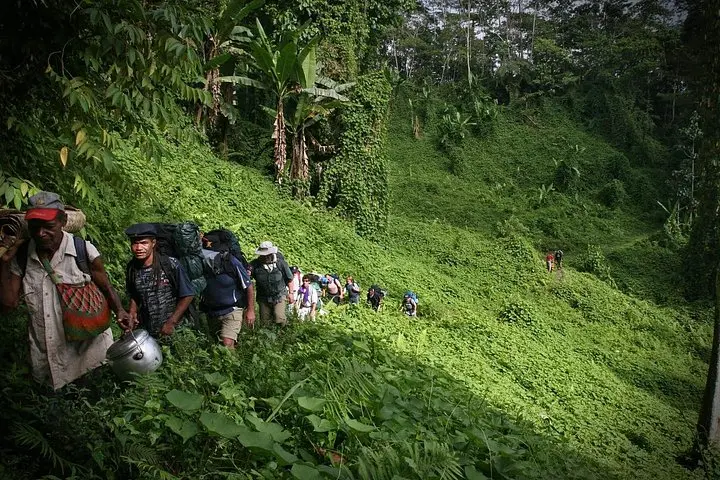
Mist hangs low on a ridge as a small group tightens boots and steps onto the first mud-slick switchback of the Kokoda Track. The jungle presses close—ferns brushing legs, birds calling overhead—while guides point out cairns and rusted relics that mark the route soldiers fought over in 1942.
Mist hangs low on a ridge as a small group tightens boots and steps onto the first mud-slick switchback of the Kokoda Track. The jungle presses close—ferns brushing legs, birds calling overhead—while guides point out cairns and rusted relics that mark the route soldiers fought over in 1942.
The trek traverses the spine of the Owen Stanley Ranges, a volcanic and metamorphic landscape carved by steep ridges, narrow saddles and fast-flowing rivers like the Kumusi. Sites such as Isurava and Brigade Hill are both battlefield and memorial: open grasslands and dense rainforest where Australian and Papuan histories intersect. Villages along the way are largely Seventh-day Adventist communities; visitors often attend services, buy fresh cassava or share meals prepared by local cooks.
Expect sustained climbs (Mt Bellamy is the track’s high point), frequent river crossings, and long days on muddy, root-strewn trail. Guides and local porters carry heavy gear; trekkers carry day packs and essentials. Camping is standard—nine nights under canvas—while starts and finishes include hotel nights in Port Moresby.
Practical edge: train on hills and packs before you go, break in waterproof boots, and plan for tropical wet-season conditions that turn crossings and trails hazardous. Permits are required and responsible operators contribute to village payments and conservation efforts. Arrive with insect repellent, a good headlamp, and a willingness to move deliberately—this is a route that tests legs and rewards perspective.