THE ADVENTURE COLLECTIVE® · Independent discovery and booking for outdoor travel

Follow the original wartime route across the Owen Stanley Range on a guided 10‑day premium Kokoda campaign trek. This expedition pairs steep, moss‑forested ridgelines and volcanic lakes with wartime history and village culture—prepare for long climbs, wet conditions and meaningful memorial services.
Follow the original wartime route across the Owen Stanley Range on a guided 10‑day premium Kokoda campaign trek. This expedition pairs steep, moss‑forested ridgelines and volcanic lakes with wartime history and village culture—prepare for long climbs, wet conditions and meaningful memorial services.
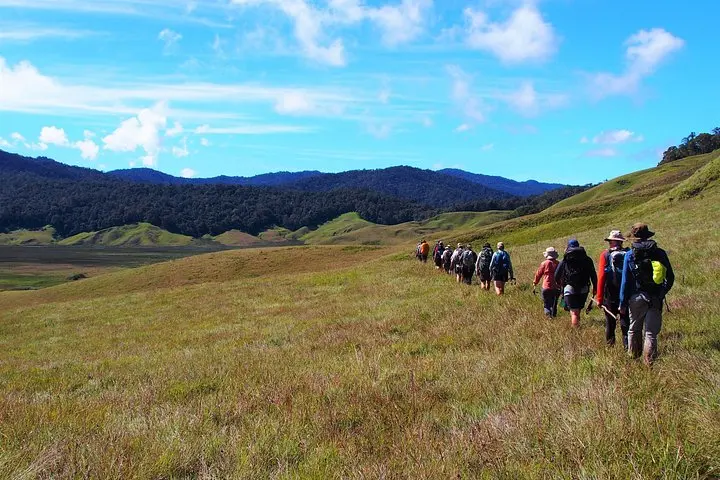
A low dawn mist clings to the shoulders of the Owen Stanley Range as a small expedition files over a knife‑edged ridge. Footsteps sink into moss and leaf litter, creeks chatter below, and the pitted hull of a WWII P‑40 lies silent at Lake Myola—a blunt reminder that this is terrain shaped by both geology and conflict.
Verified experiences and guided adventures in the surrounding area.
Operated by Adventure Kokoda · Kokoda, Oro Province
A low dawn mist clings to the shoulders of the Owen Stanley Range as a small expedition files over a knife‑edged ridge. Footsteps sink into moss and leaf litter, creeks chatter below, and the pitted hull of a WWII P‑40 lies silent at Lake Myola—a blunt reminder that this is terrain shaped by both geology and conflict.
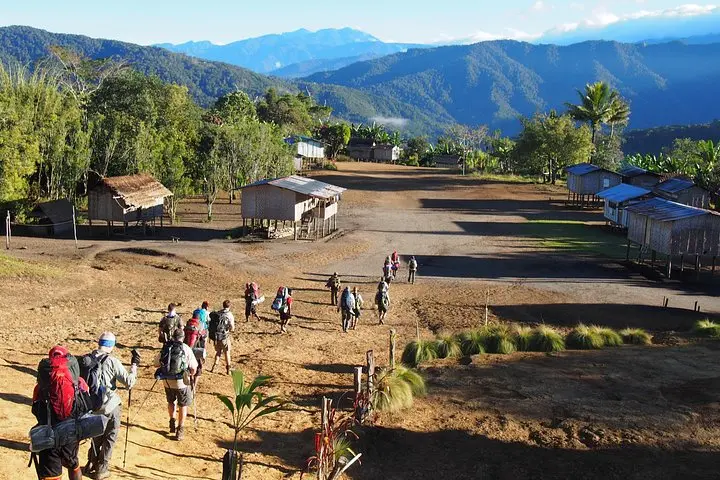
The Kokoda Track traces the spine of Papua New Guinea’s highlands and the route of the 1942 campaign that stopped an advance on Port Moresby. Granite ridgelines, volcanic basins and dense moss forest create rapid changes in footing and microclimate; lowland villages of the Oro Province still tend gardens along the track and welcome trekkers with local carriers and Koiari guides.
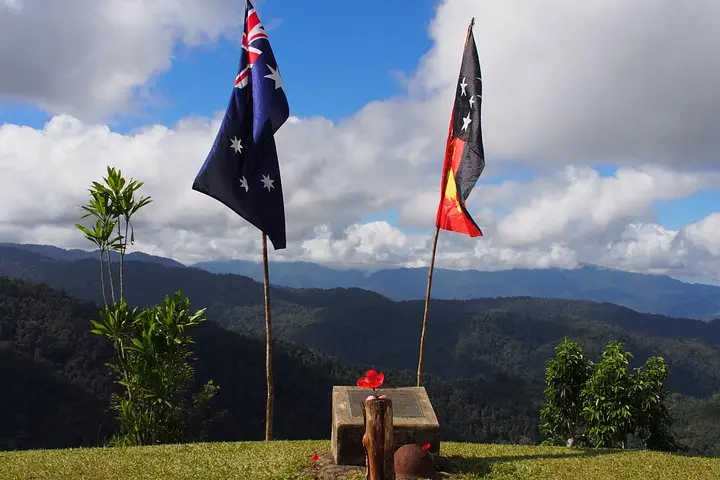
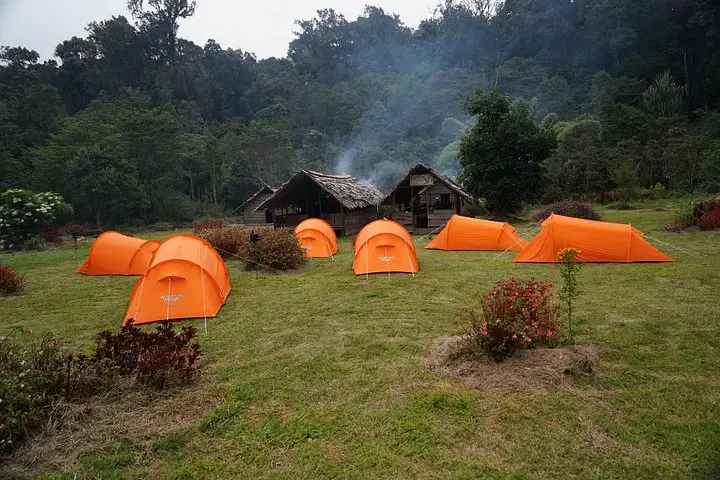
Expect long, steep ascents to 2,000+ m and repeated river crossings; many days include 600–1,200 m of cumulative elevation change. Camps are village or cleared wartime sites—personal mosquito‑proof tents are provided and meals are cooked by PNG cooks. Key cultural moments include a Dawn Service at the Isurava Memorial and visits to Bomana War Cemetery and wartime positions like Imita Ridge and Brigade Hill.
Practical edge: travel light, train for sustained climbs, and prepare for heavy rain any time of year. Hardy waterproof boots, a reliable rain shell and a hydration system are essential. The route is a guided, multi‑day expedition with satellite comms and stretcher evacuation plans, but weather and steep terrain demand fitness, respect for local customs, and careful planning for footwear, blister care and insect protection.
Participants should have strong cardiovascular fitness and experience with multi‑day hikes; daily sections include steep climbs and long days—training with long, weighted hikes is recommended.
Yes—official Kokoda Track Authority permits, experienced Koiari guides and local carriers are provided as part of the package.
The Owen Stanley Range is unpredictable: intense tropical rainstorms can occur any month. Expect cooler temperatures above 1,500 m and hot, humid conditions in the lowlands.
The trek includes satellite communications, UHF radios and 24‑hour rear link to Port Moresby; leaders carry group first aid kits and evacuation protocols are in place for serious incidents.
Adventure Kokoda operates guided outdoor trips and adventures with an emphasis on safety, stewardship, and memorable experiences.
A low dawn mist clings to the shoulders of the Owen Stanley Range as a small expedition files over a knife‑edged ridge. Footsteps sink into moss and leaf litter, creeks chatter below, and the pitted hull of a WWII P‑40 lies silent at Lake Myola—a blunt reminder that this is terrain shaped by both geology and conflict.
A low dawn mist clings to the shoulders of the Owen Stanley Range as a small expedition files over a knife‑edged ridge. Footsteps sink into moss and leaf litter, creeks chatter below, and the pitted hull of a WWII P‑40 lies silent at Lake Myola—a blunt reminder that this is terrain shaped by both geology and conflict.
The Kokoda Track traces the spine of Papua New Guinea’s highlands and the route of the 1942 campaign that stopped an advance on Port Moresby. Granite ridgelines, volcanic basins and dense moss forest create rapid changes in footing and microclimate; lowland villages of the Oro Province still tend gardens along the track and welcome trekkers with local carriers and Koiari guides.
Expect long, steep ascents to 2,000+ m and repeated river crossings; many days include 600–1,200 m of cumulative elevation change. Camps are village or cleared wartime sites—personal mosquito‑proof tents are provided and meals are cooked by PNG cooks. Key cultural moments include a Dawn Service at the Isurava Memorial and visits to Bomana War Cemetery and wartime positions like Imita Ridge and Brigade Hill.
Practical edge: travel light, train for sustained climbs, and prepare for heavy rain any time of year. Hardy waterproof boots, a reliable rain shell and a hydration system are essential. The route is a guided, multi‑day expedition with satellite comms and stretcher evacuation plans, but weather and steep terrain demand fitness, respect for local customs, and careful planning for footwear, blister care and insect protection.