THE ADVENTURE COLLECTIVE® · Independent discovery and booking for outdoor travel

Start before sunrise and walk through spice-scented lanes, fruit wholesale rows and College Street’s famed book stalls with a private English-speaking guide. This 5–6 hour morning tour includes hotel pickup and a local lunch stop.
Start before sunrise and walk through spice-scented lanes, fruit wholesale rows and College Street’s famed book stalls with a private English-speaking guide. This 5–6 hour morning tour includes hotel pickup and a local lunch stop.
Before dawn the alleys of Kolkata begin to breathe. Lanterns flicker above sacks of spices, traders shout prices across laden carts, and the air sharpens with cardamom, turmeric and fresh mango. A private morning walk through the city’s markets pulls you into this pulse—an organized, local-led route from the spice lanes to College Street’s teeming bookstalls and the clay-splashed yards of Kumortuli.
Verified experiences and guided adventures in the surrounding area.
Operated by SITA World Tours · Kolkata, West Bengal
Before dawn the alleys of Kolkata begin to breathe. Lanterns flicker above sacks of spices, traders shout prices across laden carts, and the air sharpens with cardamom, turmeric and fresh mango. A private morning walk through the city’s markets pulls you into this pulse—an organized, local-led route from the spice lanes to College Street’s teeming bookstalls and the clay-splashed yards of Kumortuli.
Kolkata was the capital of British India until 1911, and its markets reflect layers of history: Burra Bazaar grew around colonial trade; College Street evolved into Boi Para, one of Asia’s largest book markets. The Hooghly River, cutting to the west, shaped commerce and neighborhood character, while artisan quarters like Kumortuli preserve ritual craft traditions tied to Durga Puja and other festivals.
Expect uneven sidewalks, tight crowds and a sensory overload of color and sound. Your guide will explain product origins, bargaining etiquette and the stories behind staple stalls—spices measured by hand, fruit sellers arranging pyramids of seasonal produce, potters shaping idols in sunlit courtyards.
Practically: plan for a 5–6 hour outing with hotel pickup and drop-off in the city center, bring small-denomination cash for purchases, and leave large bags at the hotel. Wear closed-toe walking shoes, carry water, and be ready to move steadily between stops: this is an active cultural walk rather than a slow museum visit. By lunch you’ll have traded more than goods—you’ll have traded fresh impressions of Kolkata’s living marketplace culture.
Lunch is arranged at a local restaurant but is typically at your own expense; your guide will suggest dishes and places.
Yes—hotel pickup and drop-off are included within the city center as part of the tour.
Expect around 3–4 hours of active walking interspersed with stops for shopping and demonstrations within a 5–6 hour schedule.
A local English-speaking guide is provided; guides may also speak Bengali and other regional languages depending on availability.
SITA World Tours operates guided outdoor trips and adventures with an emphasis on safety, stewardship, and memorable experiences.
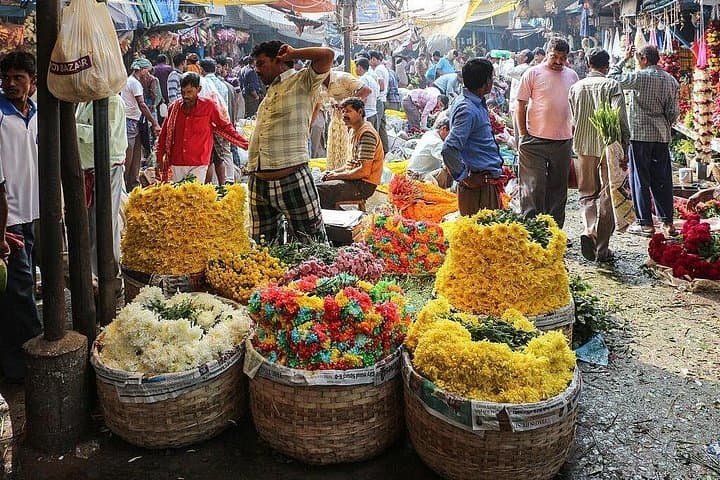
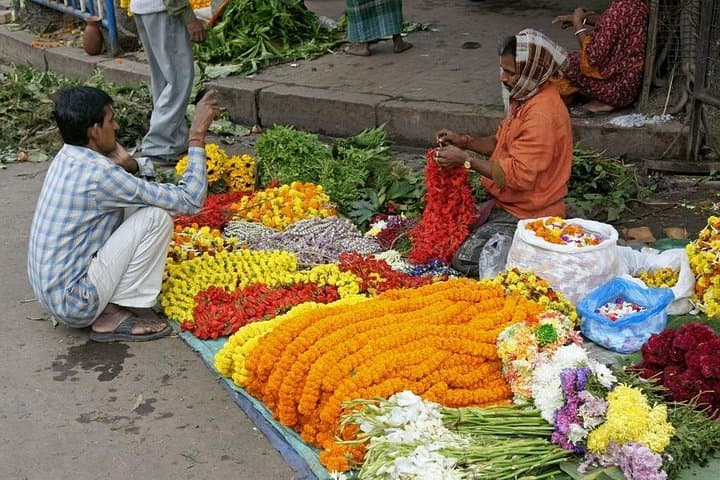
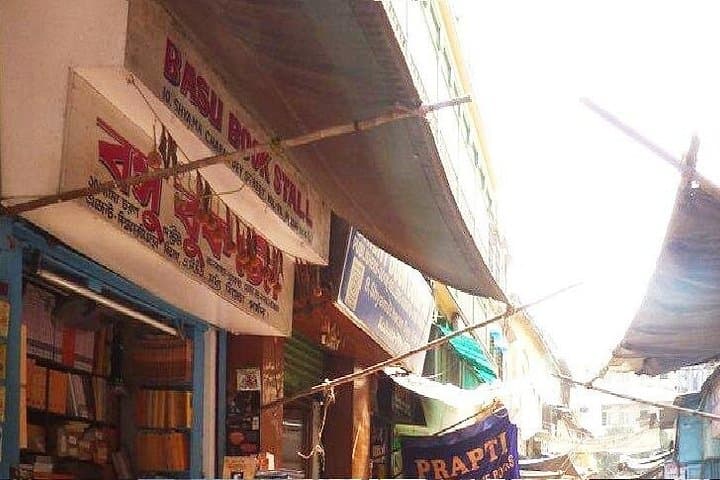
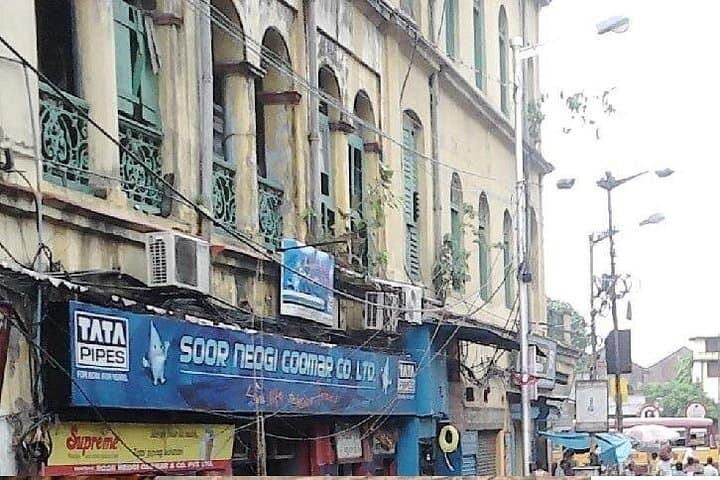
Before dawn the alleys of Kolkata begin to breathe. Lanterns flicker above sacks of spices, traders shout prices across laden carts, and the air sharpens with cardamom, turmeric and fresh mango. A private morning walk through the city’s markets pulls you into this pulse—an organized, local-led route from the spice lanes to College Street’s teeming bookstalls and the clay-splashed yards of Kumortuli.
Before dawn the alleys of Kolkata begin to breathe. Lanterns flicker above sacks of spices, traders shout prices across laden carts, and the air sharpens with cardamom, turmeric and fresh mango. A private morning walk through the city’s markets pulls you into this pulse—an organized, local-led route from the spice lanes to College Street’s teeming bookstalls and the clay-splashed yards of Kumortuli.
Kolkata was the capital of British India until 1911, and its markets reflect layers of history: Burra Bazaar grew around colonial trade; College Street evolved into Boi Para, one of Asia’s largest book markets. The Hooghly River, cutting to the west, shaped commerce and neighborhood character, while artisan quarters like Kumortuli preserve ritual craft traditions tied to Durga Puja and other festivals.
Expect uneven sidewalks, tight crowds and a sensory overload of color and sound. Your guide will explain product origins, bargaining etiquette and the stories behind staple stalls—spices measured by hand, fruit sellers arranging pyramids of seasonal produce, potters shaping idols in sunlit courtyards.
Practically: plan for a 5–6 hour outing with hotel pickup and drop-off in the city center, bring small-denomination cash for purchases, and leave large bags at the hotel. Wear closed-toe walking shoes, carry water, and be ready to move steadily between stops: this is an active cultural walk rather than a slow museum visit. By lunch you’ll have traded more than goods—you’ll have traded fresh impressions of Kolkata’s living marketplace culture.