THE ADVENTURE COLLECTIVE® · Independent discovery and booking for outdoor travel

Swap Kolkata’s colonial avenues for the tidal creeks of the Sundarbans on this four-day itinerary. Expect boat safaris, watchtowers, and close-up encounters with the mangrove ecosystem led by local guides.
Swap Kolkata’s colonial avenues for the tidal creeks of the Sundarbans on this four-day itinerary. Expect boat safaris, watchtowers, and close-up encounters with the mangrove ecosystem led by local guides.
You step off the roadside into a humid hush: the Hooghly River hums downstream while the first mangrove silhouettes darken the horizon. From Kolkata’s colonial avenues to the narrow creeks of the Sundarbans, this four-day loop trades city clamor for bird calls and water-borne silence.
Verified experiences and guided adventures in the surrounding area.
Operated by Agora Voyages Pvt. Ltd. · Kolkata, West Bengal
You step off the roadside into a humid hush: the Hooghly River hums downstream while the first mangrove silhouettes darken the horizon. From Kolkata’s colonial avenues to the narrow creeks of the Sundarbans, this four-day loop trades city clamor for bird calls and water-borne silence.
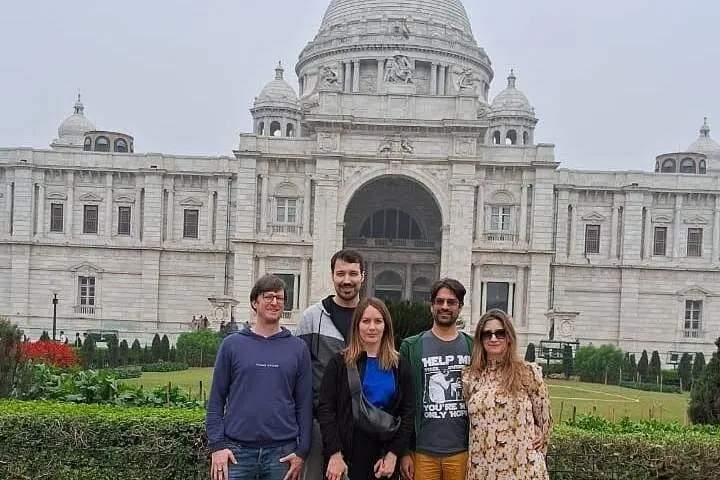
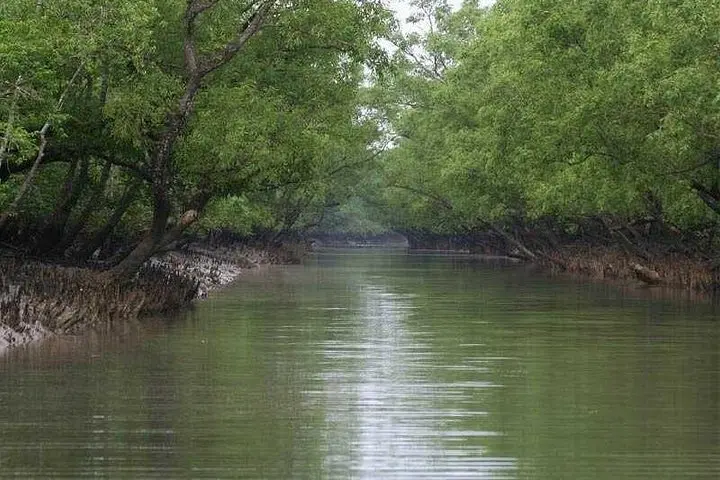
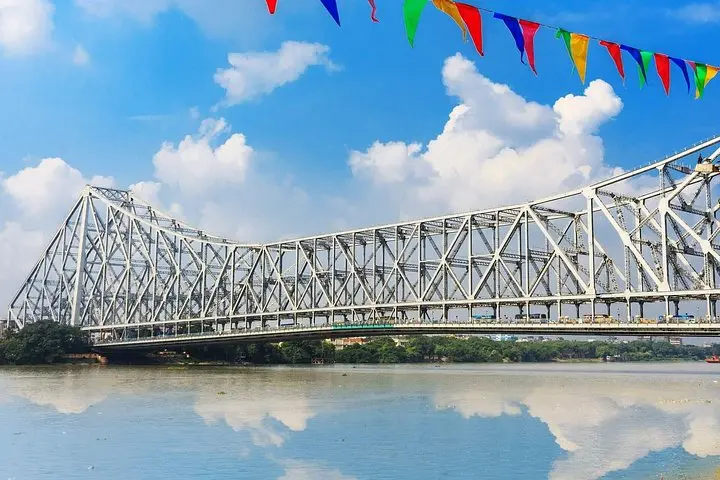
Kolkata’s landmarks—Victoria Memorial, Howrah Bridge, Dakshineswar Kali Temple—frame the region’s colonial and spiritual history, a city shaped by trade, literature and river commerce. A short drive south takes you through delta plains carved by the Ganges–Brahmaputra system to the Sundarbans, a UNESCO-listed mangrove complex whose braided waterways and tidal rhythms have sustained fishing and honey-gathering communities for generations.
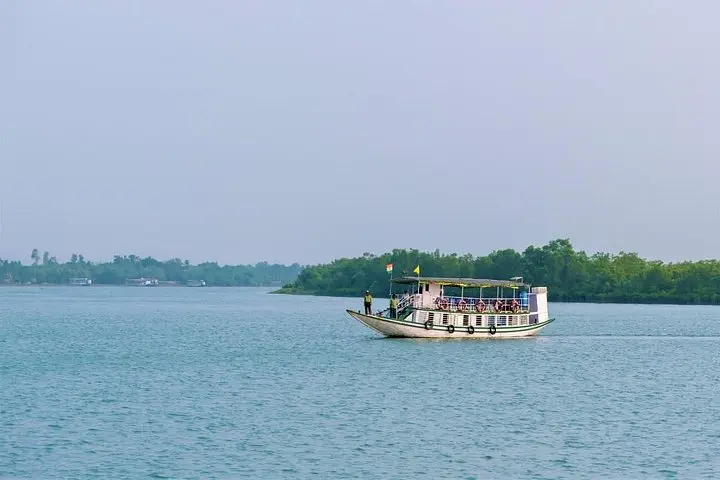
Geology here is recent and active: silt deposition builds islands that rise and fall with monsoon tides. Cultural life on the riverbanks is pragmatic and observant; local guides read currents, tides and tiger tracks with practiced eyes. Wildlife dominates the agenda—esteemed but elusive Royal Bengal tigers, saltwater crocodiles, and a rich suite of waterbirds—best seen from a small launch or from watchtowers such as Sudhanyakhali and Sajnekhali.
Practical notes: boat transfers and park permits are standard; bring sturdy, wet-weather footwear, insect protection and binoculars. Expect early starts and variable mobile coverage. Peak visibility of wildlife is around dawn and dusk; avoid solo shoreline wandering and follow guides’ instructions for safety. This itinerary balances Kolkata’s cultural layers with an intimate, conservation-minded encounter in one of the planet’s most dynamic mangrove landscapes.
October to March is generally best for clear weather, birding and more comfortable temperatures; post-monsoon months improve water clarity and access.
Tigers are elusive; guided boat safaris and visits to watchtowers increase chances but sightings are not guaranteed—expect birdlife and other mammals more reliably.
Yes—park entry permits and boat permits are managed by authorities and typically arranged by tour operators; independent access is restricted in many zones.
Yes for older children used to boat travel; young children should be supervised and always wear life jackets during boat transfers.
Agora Voyages Pvt. Ltd. operates guided outdoor trips and adventures with an emphasis on safety, stewardship, and memorable experiences.
You step off the roadside into a humid hush: the Hooghly River hums downstream while the first mangrove silhouettes darken the horizon. From Kolkata’s colonial avenues to the narrow creeks of the Sundarbans, this four-day loop trades city clamor for bird calls and water-borne silence.
You step off the roadside into a humid hush: the Hooghly River hums downstream while the first mangrove silhouettes darken the horizon. From Kolkata’s colonial avenues to the narrow creeks of the Sundarbans, this four-day loop trades city clamor for bird calls and water-borne silence.
Kolkata’s landmarks—Victoria Memorial, Howrah Bridge, Dakshineswar Kali Temple—frame the region’s colonial and spiritual history, a city shaped by trade, literature and river commerce. A short drive south takes you through delta plains carved by the Ganges–Brahmaputra system to the Sundarbans, a UNESCO-listed mangrove complex whose braided waterways and tidal rhythms have sustained fishing and honey-gathering communities for generations.
Geology here is recent and active: silt deposition builds islands that rise and fall with monsoon tides. Cultural life on the riverbanks is pragmatic and observant; local guides read currents, tides and tiger tracks with practiced eyes. Wildlife dominates the agenda—esteemed but elusive Royal Bengal tigers, saltwater crocodiles, and a rich suite of waterbirds—best seen from a small launch or from watchtowers such as Sudhanyakhali and Sajnekhali.
Practical notes: boat transfers and park permits are standard; bring sturdy, wet-weather footwear, insect protection and binoculars. Expect early starts and variable mobile coverage. Peak visibility of wildlife is around dawn and dusk; avoid solo shoreline wandering and follow guides’ instructions for safety. This itinerary balances Kolkata’s cultural layers with an intimate, conservation-minded encounter in one of the planet’s most dynamic mangrove landscapes.