THE ADVENTURE COLLECTIVE® · Independent discovery and booking for outdoor travel

Visit Kompong Khleang to see high stilt houses, flooded mangroves, and daily lake life on Tonle Sap. This private half-day tour from Siem Reap combines a scenic drive, a boat approach, and close cultural insight into Cambodia’s freshwater lake communities.
Visit Kompong Khleang to see high stilt houses, flooded mangroves, and daily lake life on Tonle Sap. This private half-day tour from Siem Reap combines a scenic drive, a boat approach, and close cultural insight into Cambodia’s freshwater lake communities.
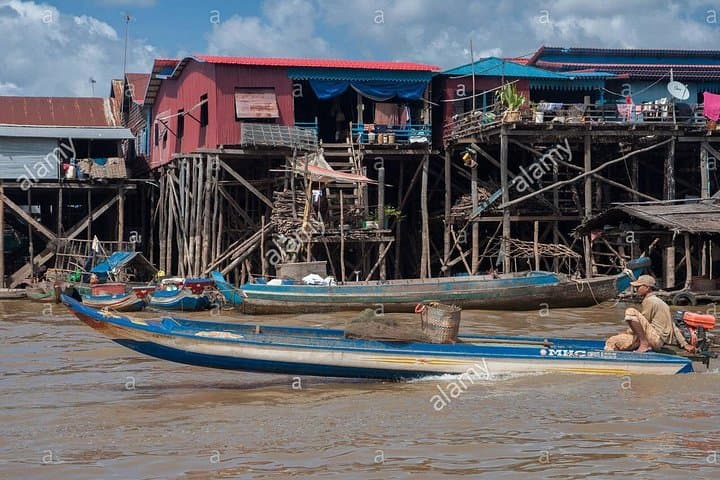
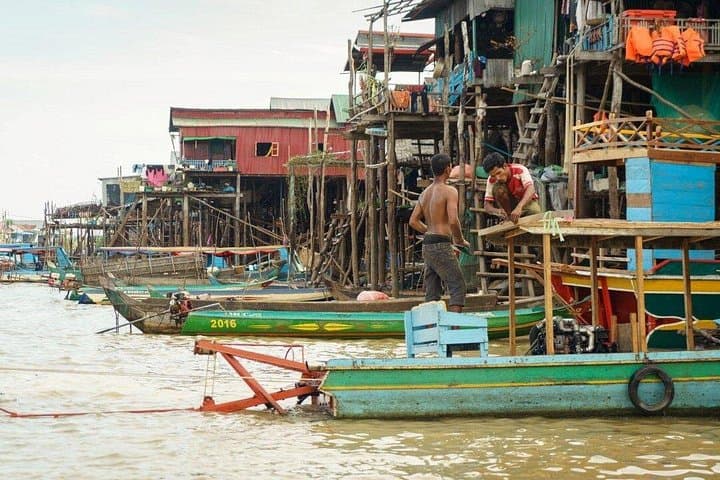
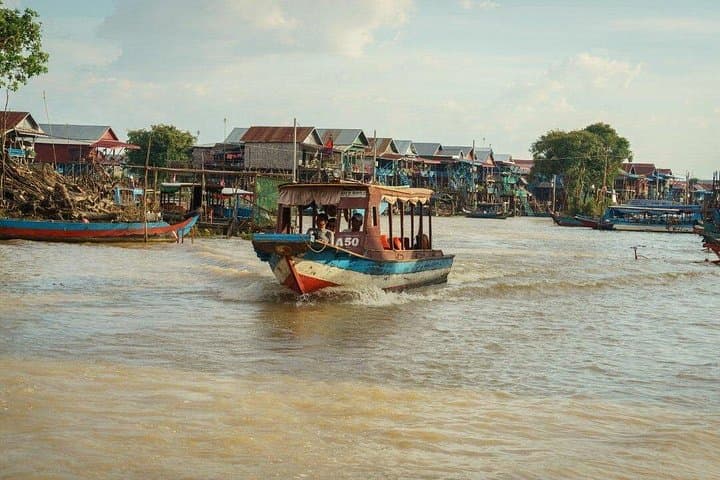
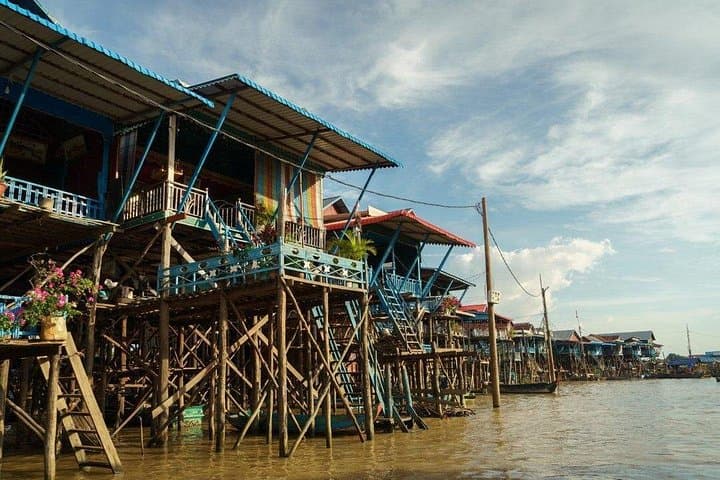
The boat nudges away from a low pier, wooden posts groaning as the zodiac carves a path into a sea of reflections. Narrow canals thread through mangrove trunks; stilt houses rise like wooden cathedrals above the water. In Kompong Khleang the lake moves with the seasons—an everyday tide that shapes livelihoods.
Verified experiences and guided adventures in the surrounding area.
Operated by Angkor Wat Travel Tour · Siem Reap, Siem Reap Province
The boat nudges away from a low pier, wooden posts groaning as the zodiac carves a path into a sea of reflections. Narrow canals thread through mangrove trunks; stilt houses rise like wooden cathedrals above the water. In Kompong Khleang the lake moves with the seasons—an everyday tide that shapes livelihoods.
This area on the edge of Tonle Sap — Southeast Asia’s largest freshwater lake — has been a fishing and floodplain community for generations. The flooded forest and seasonally variable lake are products of the Mekong’s annual pulse: water arrives in the wet season and recedes again, exposing mudflats and fish-rich shallows. The village itself is a study in adaptation—homes on stilts up to eight meters high, floating markets and a small floating clinic speak to a culture built around water.
Expect a private minivan ride from Siem Reap (about an hour), then a 90–120 minute boat approach with optional short skiff trips through mangroves. Guides point out fish traps, long-tail boats, and the bamboo scaffolding that locals repair each year. Photography is rewarding but be respectful—this is a living community, not a set piece.
Practical notes: bring sun protection, insect repellent, and a waterproof bag for electronics. If visiting in the wet season the landscape feels expansive and watery; during the dry months you’ll see dramatic stilts and exposed riverbed life. Boat transfers are often calm but wear a life jacket and follow your guide’s instructions. This half-day tour is an accessible, close-up way to see how the Tonle Sap shapes human life and the lake’s seasons.
Boat transfers typically last 90–120 minutes one way, depending on water levels and the route your guide chooses.
Yes—this private tour accommodates children, but infants must sit on an adult’s lap and parents should bring necessary supplies.
Yes; the short mangrove skiff is usually an extra cash-only cost (around USD 5) paid at the pier.
You can visit communal areas and small stalls; always ask permission before entering private homes and bring small denominations for purchases.
Angkor Wat Travel Tour operates guided outdoor trips and adventures with an emphasis on safety, stewardship, and memorable experiences.
The boat nudges away from a low pier, wooden posts groaning as the zodiac carves a path into a sea of reflections. Narrow canals thread through mangrove trunks; stilt houses rise like wooden cathedrals above the water. In Kompong Khleang the lake moves with the seasons—an everyday tide that shapes livelihoods.
The boat nudges away from a low pier, wooden posts groaning as the zodiac carves a path into a sea of reflections. Narrow canals thread through mangrove trunks; stilt houses rise like wooden cathedrals above the water. In Kompong Khleang the lake moves with the seasons—an everyday tide that shapes livelihoods.
This area on the edge of Tonle Sap — Southeast Asia’s largest freshwater lake — has been a fishing and floodplain community for generations. The flooded forest and seasonally variable lake are products of the Mekong’s annual pulse: water arrives in the wet season and recedes again, exposing mudflats and fish-rich shallows. The village itself is a study in adaptation—homes on stilts up to eight meters high, floating markets and a small floating clinic speak to a culture built around water.
Expect a private minivan ride from Siem Reap (about an hour), then a 90–120 minute boat approach with optional short skiff trips through mangroves. Guides point out fish traps, long-tail boats, and the bamboo scaffolding that locals repair each year. Photography is rewarding but be respectful—this is a living community, not a set piece.
Practical notes: bring sun protection, insect repellent, and a waterproof bag for electronics. If visiting in the wet season the landscape feels expansive and watery; during the dry months you’ll see dramatic stilts and exposed riverbed life. Boat transfers are often calm but wear a life jacket and follow your guide’s instructions. This half-day tour is an accessible, close-up way to see how the Tonle Sap shapes human life and the lake’s seasons.