THE ADVENTURE COLLECTIVE® · Independent discovery and booking for outdoor travel

Step into the Kon-Tiki Museum on Bygdøy to see Heyerdahl’s original rafts, reed boats and a whale-shark model. Learn the practical craft behind the expeditions and catch the daily screening of the Kon-Tiki film.
Step into the Kon-Tiki Museum on Bygdøy to see Heyerdahl’s original rafts, reed boats and a whale-shark model. Learn the practical craft behind the expeditions and catch the daily screening of the Kon-Tiki film.
You step off the ferry onto Bygdøy and the salt-breath of the Oslofjord reaches forward like an invitation. Through glass and concrete the Kon-Tiki Museum presents boats that once met open water: the balsawood raft that crossed the Pacific, reed vessels that pushed across the Atlantic, and a 10-metre whale-shark model that frames the underwater imagination.
Verified experiences and guided adventures in the surrounding area.
Operated by The Kon-Tiki Museum · Oslo, Oslo
You step off the ferry onto Bygdøy and the salt-breath of the Oslofjord reaches forward like an invitation. Through glass and concrete the Kon-Tiki Museum presents boats that once met open water: the balsawood raft that crossed the Pacific, reed vessels that pushed across the Atlantic, and a 10-metre whale-shark model that frames the underwater imagination.
The museum charts Thor Heyerdahl’s mid-20th-century expeditions and the debates they stirred about contact between distant cultures. Geologically, the Oslofjord coast was carved by ice; the shoreline’s exposed bedrock and sheltered coves were the same features sailors used for centuries. Culturally, Norwegian maritime craft and practical seamanship thread through the displays—from reed-boat lashings to the films and artifacts from Easter Island and the Galápagos.
Expect a compact, well-curated hour: original vessels, Heyerdahl’s library, daily screenings of the Oscar-winning Kon-Tiki documentary at 12:00, and a focused exhibit on the Ra and Tigris voyages. The museum balances storytelling with material detail—ropework, hull joins, and navigation improvisations—so you leave with a sense of method, not myth.
Practical guidance: book a mobile ticket for quick entry, plan 60–90 minutes, and aim to catch the noon film. Public transit and ferries run to Bygdøy; bring a light jacket—fjord winds can press cold air against exposed displays. Combine this visit with neighboring maritime museums or a short coastal walk to make a half-day of Norway’s seafaring history.
Plan 60–90 minutes to see the main exhibits and the film; longer if you want to read displays or visit adjacent museums.
Tickets are mobile or paper and provide instant confirmation; advanced booking speeds entry but the museum isn’t strictly timed to a minute.
Yes—the original Kon-Tiki documentary is screened daily at 12:00 in the museum cinema.
Yes—the Kon-Tiki Museum has step-free access and facilities for visitors with mobility needs, though some original vessels are viewed from roped perimeters.
The Kon-Tiki Museum operates guided outdoor trips and adventures with an emphasis on safety, stewardship, and memorable experiences.
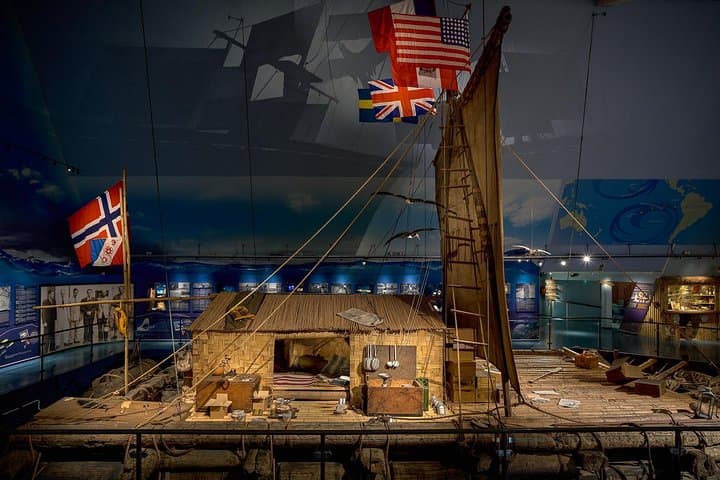

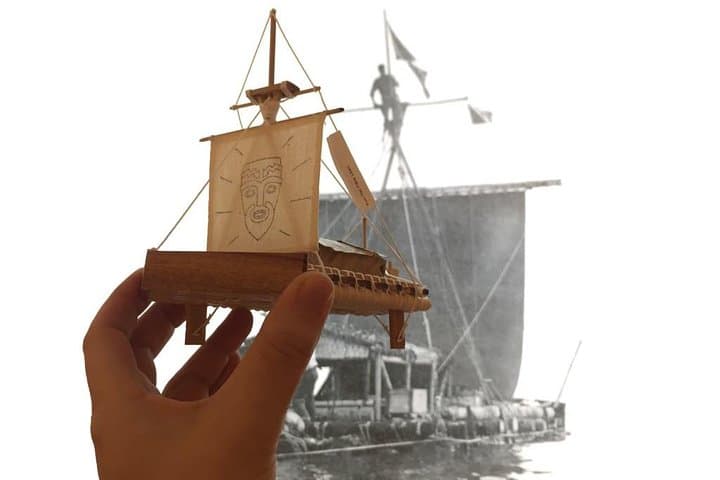

You step off the ferry onto Bygdøy and the salt-breath of the Oslofjord reaches forward like an invitation. Through glass and concrete the Kon-Tiki Museum presents boats that once met open water: the balsawood raft that crossed the Pacific, reed vessels that pushed across the Atlantic, and a 10-metre whale-shark model that frames the underwater imagination.
You step off the ferry onto Bygdøy and the salt-breath of the Oslofjord reaches forward like an invitation. Through glass and concrete the Kon-Tiki Museum presents boats that once met open water: the balsawood raft that crossed the Pacific, reed vessels that pushed across the Atlantic, and a 10-metre whale-shark model that frames the underwater imagination.
The museum charts Thor Heyerdahl’s mid-20th-century expeditions and the debates they stirred about contact between distant cultures. Geologically, the Oslofjord coast was carved by ice; the shoreline’s exposed bedrock and sheltered coves were the same features sailors used for centuries. Culturally, Norwegian maritime craft and practical seamanship thread through the displays—from reed-boat lashings to the films and artifacts from Easter Island and the Galápagos.
Expect a compact, well-curated hour: original vessels, Heyerdahl’s library, daily screenings of the Oscar-winning Kon-Tiki documentary at 12:00, and a focused exhibit on the Ra and Tigris voyages. The museum balances storytelling with material detail—ropework, hull joins, and navigation improvisations—so you leave with a sense of method, not myth.
Practical guidance: book a mobile ticket for quick entry, plan 60–90 minutes, and aim to catch the noon film. Public transit and ferries run to Bygdøy; bring a light jacket—fjord winds can press cold air against exposed displays. Combine this visit with neighboring maritime museums or a short coastal walk to make a half-day of Norway’s seafaring history.