THE ADVENTURE COLLECTIVE® · Independent discovery and booking for outdoor travel

A compact half-day loop from Kailua‑Kona that pairs a rare cloud forest walk with a Kona coffee farm visit and a calm sea-turtle beach stop. Expect cool mist, volcanic coastline history, and tastings of locally grown coffee and fruit.
A compact half-day loop from Kailua‑Kona that pairs a rare cloud forest walk with a Kona coffee farm visit and a calm sea-turtle beach stop. Expect cool mist, volcanic coastline history, and tastings of locally grown coffee and fruit.
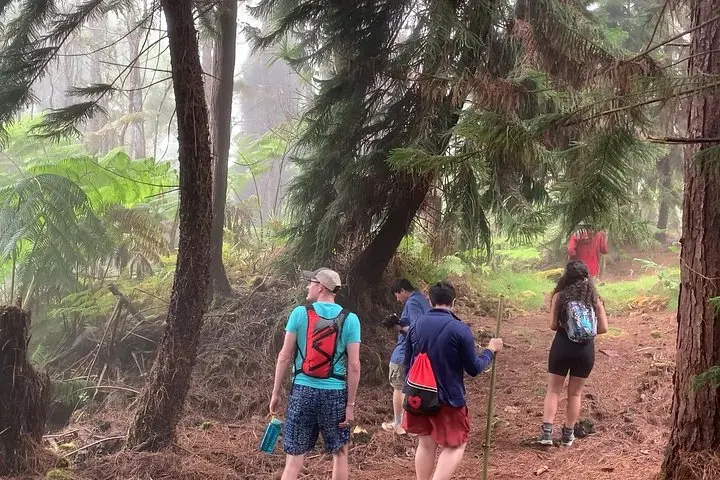
You step off the tender onto the small bustle of Kailua-Kona Pier and the ocean immediately tells you which rhythm the day will keep: warm trade winds and a salt-sweet tang. In a compact half-day loop, the tour pushes inland where the air cools, and into a rare Kona cloud forest that feels like a different island entirely—ferns dripping, trunks haloed in moss, and a hush that insists you slow your pace.
Verified experiences and guided adventures in the surrounding area.
Operated by C Big Island Tours · Kailua-Kona, Hawaii
You step off the tender onto the small bustle of Kailua-Kona Pier and the ocean immediately tells you which rhythm the day will keep: warm trade winds and a salt-sweet tang. In a compact half-day loop, the tour pushes inland where the air cools, and into a rare Kona cloud forest that feels like a different island entirely—ferns dripping, trunks haloed in moss, and a hush that insists you slow your pace.
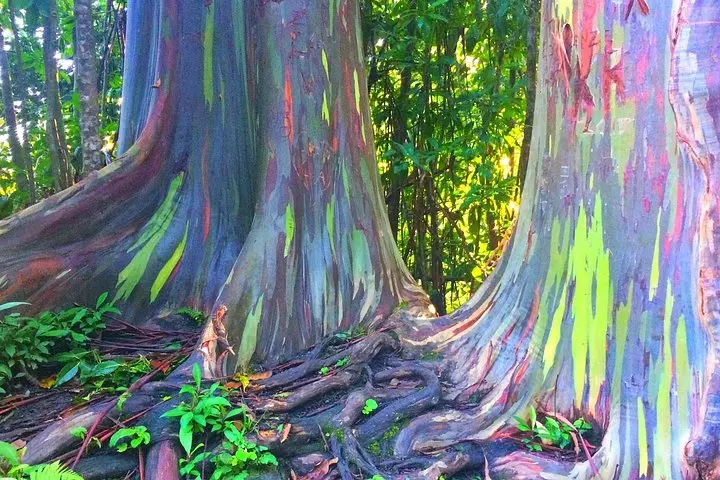
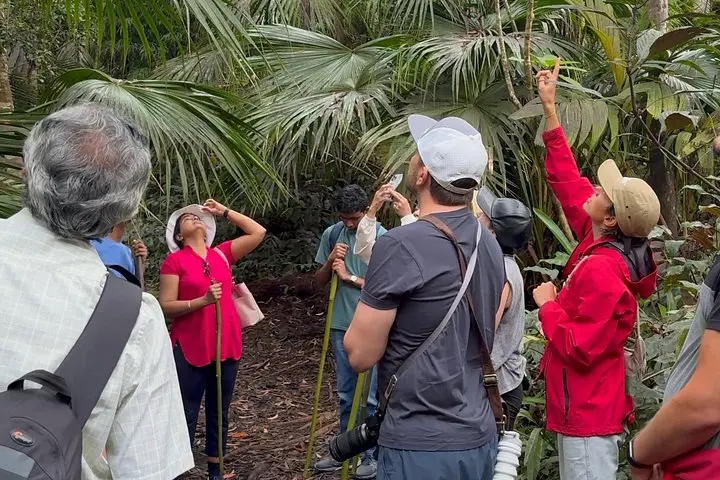
The walk through the sanctuary is short—about 0.5 miles on natural terrain with slight elevation gain—but packed with botanical oddities. Cloud forests account for less than 1% of global forest cover; here they host endemic plants that like their roots half in vapor. Guides point out native species and, if you look closely, tell the story of how the upland ridges collect moisture from trade winds to feed springs and, historically, irrigate terraces below.
Geology speaks loudly around Kona: jagged pahoehoe and aʻa lava fields step down toward the sea, and ancient rock walls mark human adaptation to that tough ground. At Kaloko‑Honokōhau National Historical Park you’ll see reconstructed fish traps and a lava-rock ahu—evidence of Hawaiian coastal engineering and a reminder that shoreline life here has always balanced on careful observation of currents and tides.
Coffee arrives as the human-scale coda to the natural show. Kona’s microclimates—cooler pulls of air, volcanic soil, and seasonal rains—make the region ideal for Arabica beans. The farm visit explains the process from cherry to cup, and you’ll taste coffee that’s been grown, harvested, and roasted within sight of the Pacific. There’s also a stop for local fruit, chocolates, and a bite from a farm-to-table vendor if time allows.
Practicalities are straightforward: the tour runs about 5–5.5 hours, suitable for travelers of moderate fitness; wear sturdy walking shoes for root-strewn cloud-forest trails and reef-safe sunscreen for beach stops. Expect temperatures around 60–70°F (15–21°C) in the cloud forest and typical Kona heat on the coast. Cruise passengers should allow time for the tender and meet the guide at the pier.
Respectful wildlife viewing is part of the itinerary—observe green sea turtles at a distance so they can bask undisturbed. Bring a lightweight layer, a reusable water bottle, and a camera with a modest zoom; the best shots are often taken in small, quiet moments: a turtle’s eye at the shoreline, the dapple on a coffee leaf, or mist threading through the forest canopy.
This is a day that stitches together natural rarity, Hawaiian cultural landscape, and the agricultural craft that made Kona famous—compact, sensory, and practical for travelers who want maximum variety with minimal transit time.
Expect about 0.5 miles in the cloud forest plus short walks at the coffee farm and a 100-yard trail to the turtle beach; terrain is natural and slightly uneven.
Yes—tour meets at Kailua‑Kona Pier; allow time for tendering from your ship and meet the guide holding the C Big Island Tours sign.
Yes, children aged 5 and up may join, but the tour requires moderate mobility and attention to uneven surfaces.
Turtle sightings are common at Honokohau’s beach but wildlife is never guaranteed; sightings depend on tides and animal behavior.
There’s a planned stop at a local vendor where you can purchase lunch; menu availability varies by day and farm schedule.
If the primary farm is closed (weekends/holidays), a replacement like Greenwell Coffee Plantation will be visited—your guide will confirm details.
C Big Island Tours operates guided outdoor trips and adventures with an emphasis on safety, stewardship, and memorable experiences.
You step off the tender onto the small bustle of Kailua-Kona Pier and the ocean immediately tells you which rhythm the day will keep: warm trade winds and a salt-sweet tang. In a compact half-day loop, the tour pushes inland where the air cools, and into a rare Kona cloud forest that feels like a different island entirely—ferns dripping, trunks haloed in moss, and a hush that insists you slow your pace.
You step off the tender onto the small bustle of Kailua-Kona Pier and the ocean immediately tells you which rhythm the day will keep: warm trade winds and a salt-sweet tang. In a compact half-day loop, the tour pushes inland where the air cools, and into a rare Kona cloud forest that feels like a different island entirely—ferns dripping, trunks haloed in moss, and a hush that insists you slow your pace.
The walk through the sanctuary is short—about 0.5 miles on natural terrain with slight elevation gain—but packed with botanical oddities. Cloud forests account for less than 1% of global forest cover; here they host endemic plants that like their roots half in vapor. Guides point out native species and, if you look closely, tell the story of how the upland ridges collect moisture from trade winds to feed springs and, historically, irrigate terraces below.
Geology speaks loudly around Kona: jagged pahoehoe and aʻa lava fields step down toward the sea, and ancient rock walls mark human adaptation to that tough ground. At Kaloko‑Honokōhau National Historical Park you’ll see reconstructed fish traps and a lava-rock ahu—evidence of Hawaiian coastal engineering and a reminder that shoreline life here has always balanced on careful observation of currents and tides.
Coffee arrives as the human-scale coda to the natural show. Kona’s microclimates—cooler pulls of air, volcanic soil, and seasonal rains—make the region ideal for Arabica beans. The farm visit explains the process from cherry to cup, and you’ll taste coffee that’s been grown, harvested, and roasted within sight of the Pacific. There’s also a stop for local fruit, chocolates, and a bite from a farm-to-table vendor if time allows.
Practicalities are straightforward: the tour runs about 5–5.5 hours, suitable for travelers of moderate fitness; wear sturdy walking shoes for root-strewn cloud-forest trails and reef-safe sunscreen for beach stops. Expect temperatures around 60–70°F (15–21°C) in the cloud forest and typical Kona heat on the coast. Cruise passengers should allow time for the tender and meet the guide at the pier.
Respectful wildlife viewing is part of the itinerary—observe green sea turtles at a distance so they can bask undisturbed. Bring a lightweight layer, a reusable water bottle, and a camera with a modest zoom; the best shots are often taken in small, quiet moments: a turtle’s eye at the shoreline, the dapple on a coffee leaf, or mist threading through the forest canopy.
This is a day that stitches together natural rarity, Hawaiian cultural landscape, and the agricultural craft that made Kona famous—compact, sensory, and practical for travelers who want maximum variety with minimal transit time.