THE ADVENTURE COLLECTIVE® · Independent discovery and booking for outdoor travel

Taste world-renowned Kona coffee on a family-run farm, then walk the basalt shores of Puʻuhonua o Hōnaunau—the City of Refuge—on this private four-hour coastal tour. It’s a tidy blend of sensory detail, cultural history, and practical stops for photographers and travelers.
Taste world-renowned Kona coffee on a family-run farm, then walk the basalt shores of Puʻuhonua o Hōnaunau—the City of Refuge—on this private four-hour coastal tour. It’s a tidy blend of sensory detail, cultural history, and practical stops for photographers and travelers.
The van hums down Ali’i Drive and the Pacific keeps pace at the window—cobalt water that seems determined to pull your gaze. On a private Kona Coffee and National Historic Parks Tour, the island’s contrasts arrive fast: volcanic rock that still smells faintly of iron, shaded groves of coffee trees bowing under heavy cherry, and a coastline where ancient law once met refuge. You step out at a family-run estate and the air changes—rich, warm, the smell of roast and earth mingling. A guide unscrews a jar and you learn how soil, cloud cover and a single varietal married here centuries ago to become Kona coffee.
Verified experiences and guided adventures in the surrounding area.
Operated by Big Island Backroad Adventures · Kailua-Kona, Hawaii
The van hums down Ali’i Drive and the Pacific keeps pace at the window—cobalt water that seems determined to pull your gaze. On a private Kona Coffee and National Historic Parks Tour, the island’s contrasts arrive fast: volcanic rock that still smells faintly of iron, shaded groves of coffee trees bowing under heavy cherry, and a coastline where ancient law once met refuge. You step out at a family-run estate and the air changes—rich, warm, the smell of roast and earth mingling. A guide unscrews a jar and you learn how soil, cloud cover and a single varietal married here centuries ago to become Kona coffee.
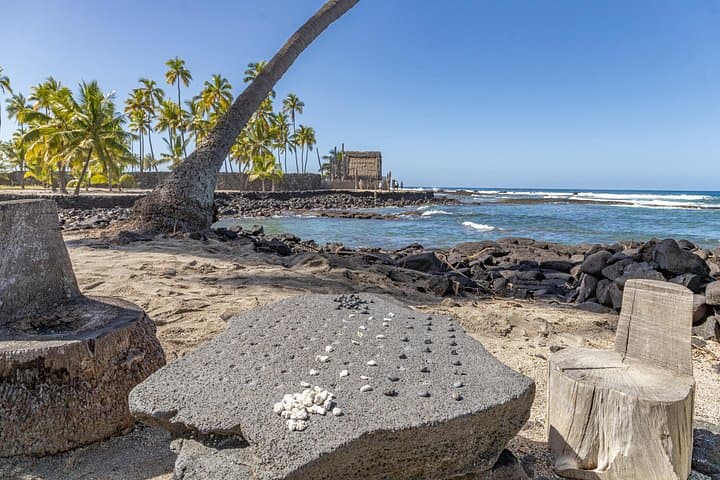
The tour moves south to Puʻuhonua o Hōnaunau, the City of Refuge, where low stone walls and reconstructed heiau give the shoreline a deliberate, respectful hush. This was a legal haven in pre-contact Hawaiian society: those who’d broken kapu could reach safety within its walls. The park’s basalt coastline, sharpened by lava flows from Hualālai and Mauna Loa, frames cultural sites and ancient fishponds—geology and human law braided into one place.
Between farm, painted chapel and park you touch multiple layers of Kona life: descendants who still run coffee parcels, a church painted by a Belgian priest with scenes aimed at a Hawaiian congregation, and guides who point out native hala trees and the occasional honu sunning on the rocks. The tour’s private format means time for questions—how beans are hand-sorted, why certain terraces drain better, how kapu shaped daily life.
Practicalities matter here: the route hugs a populated coast but steps into delicate terrain. Wear grippy shoes for lava-rock paths, bring reef-safe sunscreen for shoreline walks, and keep water handy—the sun is relentless even when trade winds pick up. The experience is family-friendly and accessible: short walks, plenty of shade, and stops spaced so older travelers or kids can keep pace.
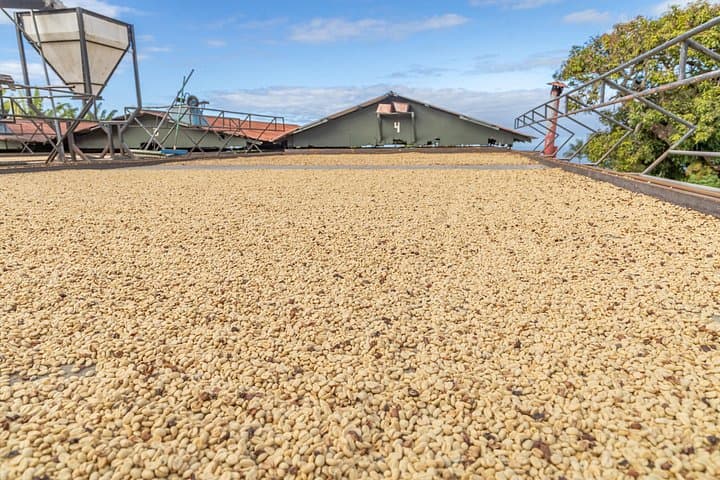
Plan for an early pickup if you want the clearest light for photos and cooler coffee-tasting. Expect to sample roasts, walk through processing areas, and enter the national park with an on-site explanation of cultural protocols. Respect markers and paths—these are active historic sites. If you arrive by cruise ship, the tour launches from the Kona pier; if you’re staying on island, guides can arrange pickup. In four concentrated hours you’ll leave with a better palate, a clearer sense of Hawai‘i’s layered past, and practical appreciation for how place, people and practice continue to define Kona coffee and the City of Refuge.
Yes—admission to Puʻuhonua o Hōnaunau is included as noted in the itinerary.
Absolutely—stops at a working coffee farm include guided tastings and a walk through processing areas.
Pickup is available from the Kona cruise pier and can be arranged from hotels—operator will confirm pickup details before the tour.
Yes—the tour is described as physically easy with short walks; notify the operator of special needs so they can accommodate you.
Yes—most farms and stops sell roasted beans, small-batch products and souvenirs; bring cash or card for purchases.
Dress in layers with closed-toe shoes, sun protection, and a light jacket for coastal breezes or brief rain.
Big Island Backroad Adventures operates guided outdoor trips and adventures with an emphasis on safety, stewardship, and memorable experiences.
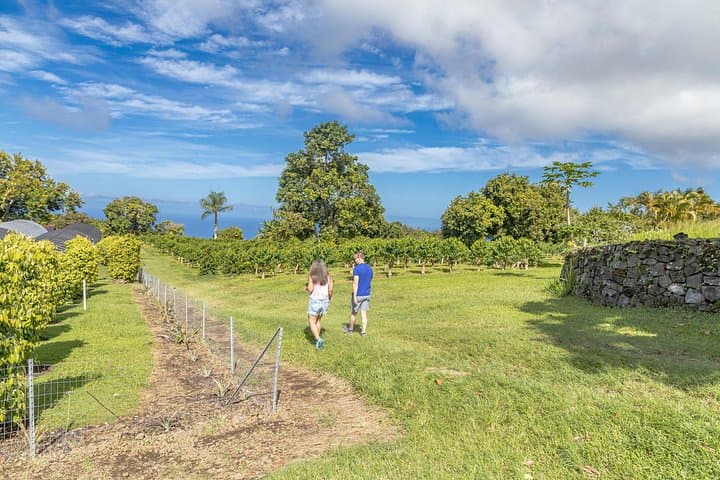
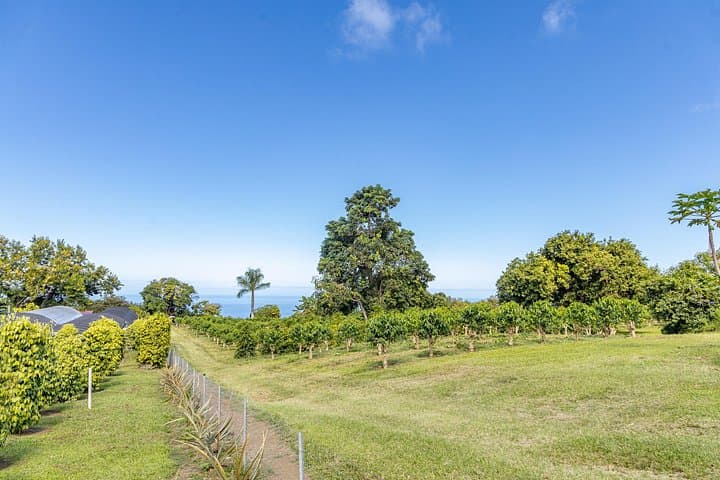
The van hums down Ali’i Drive and the Pacific keeps pace at the window—cobalt water that seems determined to pull your gaze. On a private Kona Coffee and National Historic Parks Tour, the island’s contrasts arrive fast: volcanic rock that still smells faintly of iron, shaded groves of coffee trees bowing under heavy cherry, and a coastline where ancient law once met refuge. You step out at a family-run estate and the air changes—rich, warm, the smell of roast and earth mingling. A guide unscrews a jar and you learn how soil, cloud cover and a single varietal married here centuries ago to become Kona coffee.
The van hums down Ali’i Drive and the Pacific keeps pace at the window—cobalt water that seems determined to pull your gaze. On a private Kona Coffee and National Historic Parks Tour, the island’s contrasts arrive fast: volcanic rock that still smells faintly of iron, shaded groves of coffee trees bowing under heavy cherry, and a coastline where ancient law once met refuge. You step out at a family-run estate and the air changes—rich, warm, the smell of roast and earth mingling. A guide unscrews a jar and you learn how soil, cloud cover and a single varietal married here centuries ago to become Kona coffee.
The tour moves south to Puʻuhonua o Hōnaunau, the City of Refuge, where low stone walls and reconstructed heiau give the shoreline a deliberate, respectful hush. This was a legal haven in pre-contact Hawaiian society: those who’d broken kapu could reach safety within its walls. The park’s basalt coastline, sharpened by lava flows from Hualālai and Mauna Loa, frames cultural sites and ancient fishponds—geology and human law braided into one place.
Between farm, painted chapel and park you touch multiple layers of Kona life: descendants who still run coffee parcels, a church painted by a Belgian priest with scenes aimed at a Hawaiian congregation, and guides who point out native hala trees and the occasional honu sunning on the rocks. The tour’s private format means time for questions—how beans are hand-sorted, why certain terraces drain better, how kapu shaped daily life.
Practicalities matter here: the route hugs a populated coast but steps into delicate terrain. Wear grippy shoes for lava-rock paths, bring reef-safe sunscreen for shoreline walks, and keep water handy—the sun is relentless even when trade winds pick up. The experience is family-friendly and accessible: short walks, plenty of shade, and stops spaced so older travelers or kids can keep pace.
Plan for an early pickup if you want the clearest light for photos and cooler coffee-tasting. Expect to sample roasts, walk through processing areas, and enter the national park with an on-site explanation of cultural protocols. Respect markers and paths—these are active historic sites. If you arrive by cruise ship, the tour launches from the Kona pier; if you’re staying on island, guides can arrange pickup. In four concentrated hours you’ll leave with a better palate, a clearer sense of Hawai‘i’s layered past, and practical appreciation for how place, people and practice continue to define Kona coffee and the City of Refuge.