THE ADVENTURE COLLECTIVE® · Independent discovery and booking for outdoor travel

Walk Ali'i Drive after dusk with a local guide who blends Kona history and supernatural lore. This 90–120 minute tour visits lava-rock churches, former heiau sites, and the pier while exploring Night Marchers, a 'lady in white,' and recorded paranormal photos.
Walk Ali'i Drive after dusk with a local guide who blends Kona history and supernatural lore. This 90–120 minute tour visits lava-rock churches, former heiau sites, and the pier while exploring Night Marchers, a 'lady in white,' and recorded paranormal photos.
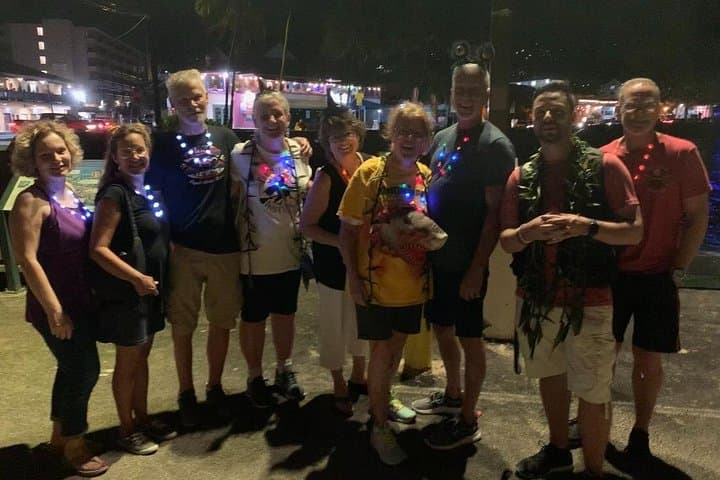
The lamps along Ali'i Drive dim and the ocean breathes cooler; a small group gathers beneath the arcade of the Kona Inn Shopping Village and a guide's voice threads the crowd together. For the next 90–120 minutes you'll walk the waterfront at night—past lava-rock ruins, a white-steepled church, and the worn stones where chiefs once stood—while histories and hauntings are spun with the steady cadence of a storyteller who knows both archival record and local memory.
Verified experiences and guided adventures in the surrounding area.
Operated by Big Island Ghost Tours · Kailua-Kona, Hawaii
The lamps along Ali'i Drive dim and the ocean breathes cooler; a small group gathers beneath the arcade of the Kona Inn Shopping Village and a guide's voice threads the crowd together. For the next 90–120 minutes you'll walk the waterfront at night—past lava-rock ruins, a white-steepled church, and the worn stones where chiefs once stood—while histories and hauntings are spun with the steady cadence of a storyteller who knows both archival record and local memory.
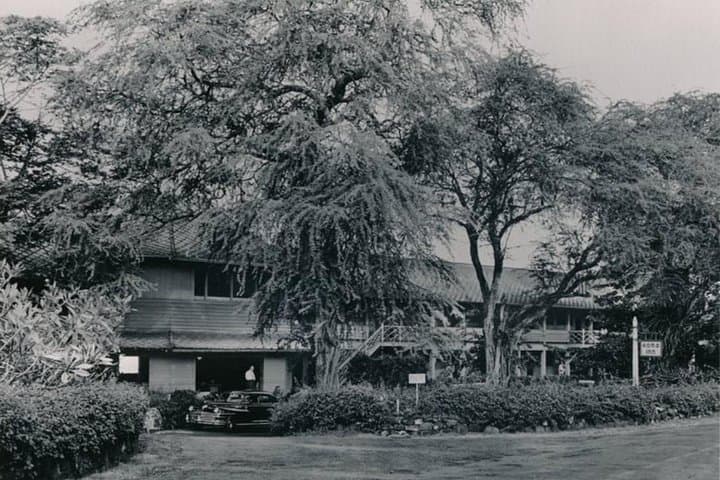
You’ll start at the Kona Inn, a place with layers of use: royal residence, colonial waypoint, then hotel that helped introduce Kona to American tourists. From there the route steps through intersections of faith and power—the lava cornerstones of Mokuaikaua Church that were quarried from an ancient heiau, the site long-claimed as a place of human sacrifice, and the communal hub where missionaries and ali‘i reshaped Hawaiian governance. Guides place the supernatural alongside documented upheavals—the collapse of the kapu system, the arrival of western religion, and the steady reworking of a coastline carved by volcanic flow.
Geology is part of the set: black basalt outlines the shoreline and the town’s bones, reminding you that these streets were formed by slow-fire processes that hardened into the cornerstones now said to hold memory. Culture is present in the stories themselves—especially the Night Marchers, the torch-bearing spirits of ancient warriors that Hawaiians still treat with reverence. The tour balances reverence with theater; along the way you’ll see alleged paranormal photos—orb shapes and the famous ‘lady in white’—and finish with a traditional sage smudge to clear any residual energy.
Practicalities are simple but specific. Meet at the Friendly Activities kiosk at Kona Inn Shopping Village (75-5744 Alii Drive); the walk ends at Kailua Pier across from the King Kamehameha Kona Beach Hotel. Tours accommodate up to about 15 people and are wheelchair accessible with mostly paved surfaces; the terrain is level but can be uneven near older stonework.
Bring a compact flashlight for stairs and darker side-streets, a light rain layer for sudden coastal showers, and close-toed shoes for stepping over curbs and lava outcrops. Respect is paramount—these are active cultural sites; avoid touching altars and follow your guide's instructions. Nights in Kona are humid and often warm, but the wind off the ocean can make a thin jacket welcome.
If you like local history wrapped in a theatrical edge, this walk delivers both: factual context, first-hand local anecdotes, and the kind of stories that make the shoreline feel alive after dark. Whether you believe in ghosts or not, the tour is an evening-length primer on how place, geology, faith, and memory intersect on Hawaii’s Kona coast.
Tours run approximately 90 to 120 minutes and cover a short stretch of Ali'i Drive between the Kona Inn Shopping Village and Kailua Pier.
Yes—it's suitable for most ages and fitness levels; strollers can be used and guides moderate content for mixed groups, but parents should judge younger children for fear sensitivity.
Yes; the tour uses paved streets and is listed as wheelchair accessible, though some older stone areas may be uneven—notify the operator of special needs when booking.
A small flashlight, close-toed shoes, a light rain layer, and bug repellent if you’re sensitive—most people are comfortable in lightweight evening clothes.
Yes—guides commonly show and discuss previously captured paranormal photos; be mindful of other guests and cultural sites when using flash.
Tours may be canceled for heavy rain or unsafe conditions; check your confirmation and the operator’s policy—some showers are tolerated and the walk continues.
Big Island Ghost Tours operates guided outdoor trips and adventures with an emphasis on safety, stewardship, and memorable experiences.
The lamps along Ali'i Drive dim and the ocean breathes cooler; a small group gathers beneath the arcade of the Kona Inn Shopping Village and a guide's voice threads the crowd together. For the next 90–120 minutes you'll walk the waterfront at night—past lava-rock ruins, a white-steepled church, and the worn stones where chiefs once stood—while histories and hauntings are spun with the steady cadence of a storyteller who knows both archival record and local memory.
The lamps along Ali'i Drive dim and the ocean breathes cooler; a small group gathers beneath the arcade of the Kona Inn Shopping Village and a guide's voice threads the crowd together. For the next 90–120 minutes you'll walk the waterfront at night—past lava-rock ruins, a white-steepled church, and the worn stones where chiefs once stood—while histories and hauntings are spun with the steady cadence of a storyteller who knows both archival record and local memory.
You’ll start at the Kona Inn, a place with layers of use: royal residence, colonial waypoint, then hotel that helped introduce Kona to American tourists. From there the route steps through intersections of faith and power—the lava cornerstones of Mokuaikaua Church that were quarried from an ancient heiau, the site long-claimed as a place of human sacrifice, and the communal hub where missionaries and ali‘i reshaped Hawaiian governance. Guides place the supernatural alongside documented upheavals—the collapse of the kapu system, the arrival of western religion, and the steady reworking of a coastline carved by volcanic flow.
Geology is part of the set: black basalt outlines the shoreline and the town’s bones, reminding you that these streets were formed by slow-fire processes that hardened into the cornerstones now said to hold memory. Culture is present in the stories themselves—especially the Night Marchers, the torch-bearing spirits of ancient warriors that Hawaiians still treat with reverence. The tour balances reverence with theater; along the way you’ll see alleged paranormal photos—orb shapes and the famous ‘lady in white’—and finish with a traditional sage smudge to clear any residual energy.
Practicalities are simple but specific. Meet at the Friendly Activities kiosk at Kona Inn Shopping Village (75-5744 Alii Drive); the walk ends at Kailua Pier across from the King Kamehameha Kona Beach Hotel. Tours accommodate up to about 15 people and are wheelchair accessible with mostly paved surfaces; the terrain is level but can be uneven near older stonework.
Bring a compact flashlight for stairs and darker side-streets, a light rain layer for sudden coastal showers, and close-toed shoes for stepping over curbs and lava outcrops. Respect is paramount—these are active cultural sites; avoid touching altars and follow your guide's instructions. Nights in Kona are humid and often warm, but the wind off the ocean can make a thin jacket welcome.
If you like local history wrapped in a theatrical edge, this walk delivers both: factual context, first-hand local anecdotes, and the kind of stories that make the shoreline feel alive after dark. Whether you believe in ghosts or not, the tour is an evening-length primer on how place, geology, faith, and memory intersect on Hawaii’s Kona coast.