THE ADVENTURE COLLECTIVE® · Independent discovery and booking for outdoor travel

Listen to humpback songs through a hydrophone and watch guaranteed whale sightings off Kona’s dramatic coast. This two-and-a-half-hour naturalist-led cruise from Kailua-Kona balances close encounters with responsible viewing—and offers a free return if whales don’t show.
Listen to humpback songs through a hydrophone and watch guaranteed whale sightings off Kona’s dramatic coast. This two-and-a-half-hour naturalist-led cruise from Kailua-Kona balances close encounters with responsible viewing—and offers a free return if whales don’t show.
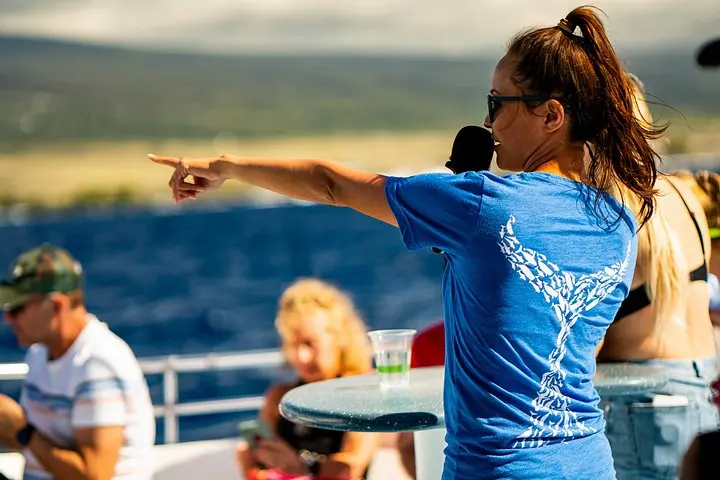
The boat slips away from Kailua-Kona Pier with a low, steady rumble and a breeze that tastes faintly of ironshore and coffee. You stand at the rail as the town shrinks—palms blur into reef-edge—until the Kona Coast opens and the water takes on a deep, whale-sized blue. The naturalist moves through the crowd with a hydrophone in hand; a taped chorus of clicks and low moans hums through the PA and then, live, a drawn-out vocalization that feels like the ocean itself trying to speak.
Verified experiences and guided adventures in the surrounding area.
Operated by Body Glove Cruises · Kailua-Kona, Hawaii
The boat slips away from Kailua-Kona Pier with a low, steady rumble and a breeze that tastes faintly of ironshore and coffee. You stand at the rail as the town shrinks—palms blur into reef-edge—until the Kona Coast opens and the water takes on a deep, whale-sized blue. The naturalist moves through the crowd with a hydrophone in hand; a taped chorus of clicks and low moans hums through the PA and then, live, a drawn-out vocalization that feels like the ocean itself trying to speak.
Humpback whales arrive in Hawai‘i each winter from Alaskan feeding grounds, following a migration route as old as the islands. Native Hawaiians called these visitors kohola and honored them in chants and navigational lore; today, listening to their songs through a hydrophone connects that oral tradition to modern science. Geologically, the Kona coast is a sharp meeting of recent lava flows and fringing reef, and the mix of deep channels and shallow banks creates rich feeding and breeding habitat that brings whales close to shore here.
Onboard, the rhythm of the trip is practical and purposeful: a certified naturalist narrates, the hydrophone gives you a sonar of behavior, and snacks and beverages keep the small talk easy between sightings. The operator emphasizes responsible viewing distances and follows NOAA guidelines to reduce disturbance—this is eco-tourism that leans on patience, not chase.
For photographers and first-time whale-watchers, timing matters: mornings usually offer glassier seas and better light, while the animals tend to be most active in the calm windows of late morning. The tour runs about two and a half hours and is designed for all fitness levels; wheelchair access and an accommodating crew make the excursion inclusive. If the ocean refuses to cooperate, the sighting guarantee lets you book again—an uncommon pledge in marine wildlife tours.
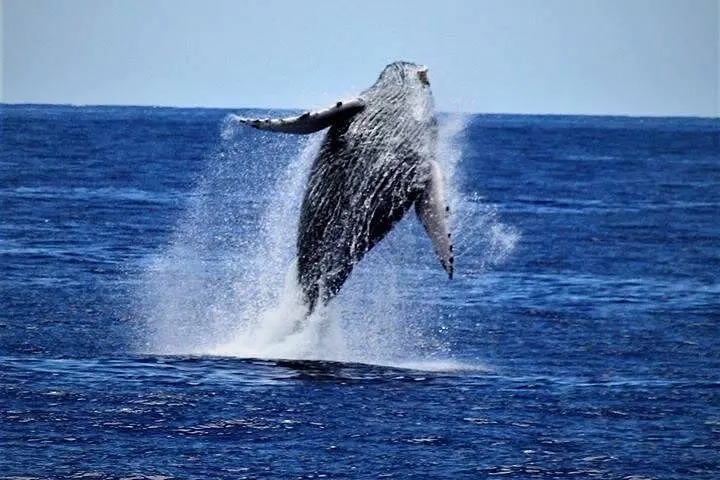
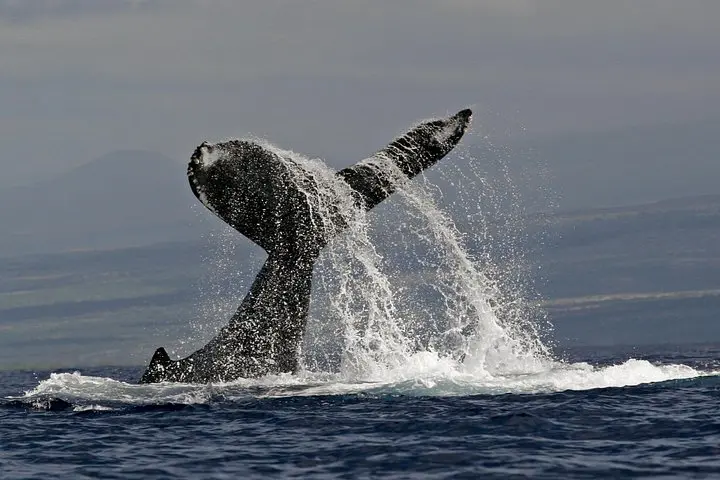
Practicalities: board 30 minutes early at Kailua Pier; free parking is available at the Body Glove Cruises office at Ilima Court (a short walk). Bring sun protection, a wind layer, and motion-sickness prep if you’re prone to it. Phone cameras capture blow and tail slaps, but a telephoto lens or compact zoom will make the difference for surfacing shots. Expect informative narration, a cash bar if you want a cocktail, and an accessible restroom onboard.
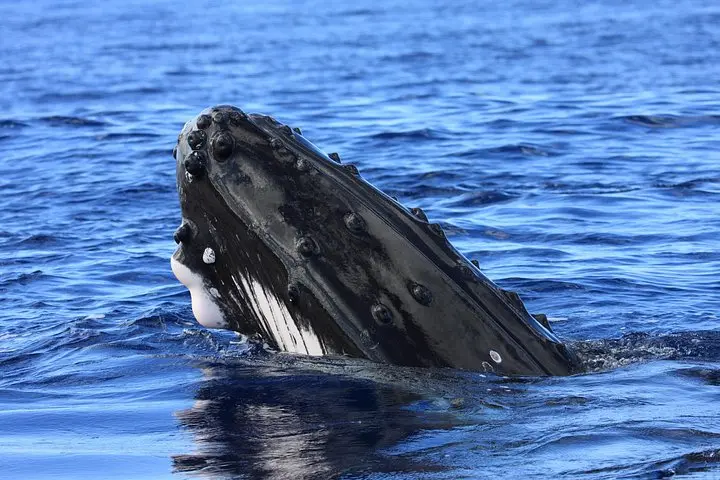
This is a trip about being close without crowding, about hearing a whale’s song through a hydrophone and feeling the scale of migration in the bones. It’s as much a lesson in marine stewardship as it is a chance to watch juveniles spyhop, mothers nurse, and males sing—an intimate encounter with Hawai‘i’s winter visitors that leaves you a little heavier with sea-sound and a clearer sense of why these waters matter.
Whale season runs December through April, with peak activity typically January through March—this tour operates within that window.
Light snacks and non-alcoholic beverages are included; a full-service cash bar is available for alcoholic purchases.
Yes—sightings are guaranteed; if whales are not observed, operators typically offer a complimentary return booking.
Yes—the vessel and boarding procedures accommodate wheelchairs via a portable ramp; note accessibility needs when booking.
Arrive 30 minutes before departure; free parking is available at 75-5629 Kuakini Hwy (Ilima Court) about a one-block walk to Kailua Pier.
Children are welcome but must be accompanied by an adult; the boat is equipped with an onboard restroom.
Body Glove Cruises operates guided outdoor trips and adventures with an emphasis on safety, stewardship, and memorable experiences.
The boat slips away from Kailua-Kona Pier with a low, steady rumble and a breeze that tastes faintly of ironshore and coffee. You stand at the rail as the town shrinks—palms blur into reef-edge—until the Kona Coast opens and the water takes on a deep, whale-sized blue. The naturalist moves through the crowd with a hydrophone in hand; a taped chorus of clicks and low moans hums through the PA and then, live, a drawn-out vocalization that feels like the ocean itself trying to speak.
The boat slips away from Kailua-Kona Pier with a low, steady rumble and a breeze that tastes faintly of ironshore and coffee. You stand at the rail as the town shrinks—palms blur into reef-edge—until the Kona Coast opens and the water takes on a deep, whale-sized blue. The naturalist moves through the crowd with a hydrophone in hand; a taped chorus of clicks and low moans hums through the PA and then, live, a drawn-out vocalization that feels like the ocean itself trying to speak.
Humpback whales arrive in Hawai‘i each winter from Alaskan feeding grounds, following a migration route as old as the islands. Native Hawaiians called these visitors kohola and honored them in chants and navigational lore; today, listening to their songs through a hydrophone connects that oral tradition to modern science. Geologically, the Kona coast is a sharp meeting of recent lava flows and fringing reef, and the mix of deep channels and shallow banks creates rich feeding and breeding habitat that brings whales close to shore here.
Onboard, the rhythm of the trip is practical and purposeful: a certified naturalist narrates, the hydrophone gives you a sonar of behavior, and snacks and beverages keep the small talk easy between sightings. The operator emphasizes responsible viewing distances and follows NOAA guidelines to reduce disturbance—this is eco-tourism that leans on patience, not chase.
For photographers and first-time whale-watchers, timing matters: mornings usually offer glassier seas and better light, while the animals tend to be most active in the calm windows of late morning. The tour runs about two and a half hours and is designed for all fitness levels; wheelchair access and an accommodating crew make the excursion inclusive. If the ocean refuses to cooperate, the sighting guarantee lets you book again—an uncommon pledge in marine wildlife tours.
Practicalities: board 30 minutes early at Kailua Pier; free parking is available at the Body Glove Cruises office at Ilima Court (a short walk). Bring sun protection, a wind layer, and motion-sickness prep if you’re prone to it. Phone cameras capture blow and tail slaps, but a telephoto lens or compact zoom will make the difference for surfacing shots. Expect informative narration, a cash bar if you want a cocktail, and an accessible restroom onboard.
This is a trip about being close without crowding, about hearing a whale’s song through a hydrophone and feeling the scale of migration in the bones. It’s as much a lesson in marine stewardship as it is a chance to watch juveniles spyhop, mothers nurse, and males sing—an intimate encounter with Hawai‘i’s winter visitors that leaves you a little heavier with sea-sound and a clearer sense of why these waters matter.