THE ADVENTURE COLLECTIVE® · Independent discovery and booking for outdoor travel

Board a 50' catamaran in Kailua-Kona and slip into warm night waters to snorkel with giant manta rays. This guided, 2¼-hour experience includes wetsuits, snorkel gear and a post-dip hot cocoa while Kona’s lights shimmer on the return.
Board a 50' catamaran in Kailua-Kona and slip into warm night waters to snorkel with giant manta rays. This guided, 2¼-hour experience includes wetsuits, snorkel gear and a post-dip hot cocoa while Kona’s lights shimmer on the return.
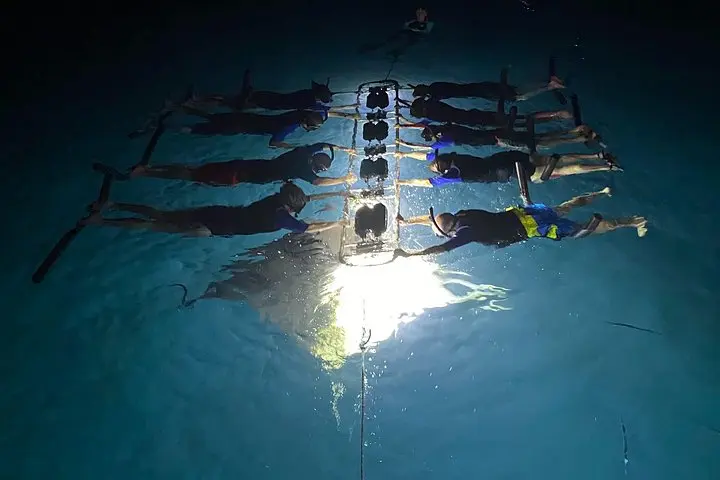
You step off the warm black lava shore of Kailua-Kona as the sun’s last colors wash the ocean and the town lights begin to stitch together along Ali‘i Drive. Onboard a roomy 50-foot catamaran the hum of the engines is low, the air smells faintly of salt and diesel, and the crew runs through a calm, clear safety briefing. Minutes later the boat slips into the dark and the ocean opens; a ring of light from the stern skims the surface and, as if cued, the night comes alive beneath you.
Verified experiences and guided adventures in the surrounding area.
Operated by Kona Style · Kailua-Kona, Hawaii
You step off the warm black lava shore of Kailua-Kona as the sun’s last colors wash the ocean and the town lights begin to stitch together along Ali‘i Drive. Onboard a roomy 50-foot catamaran the hum of the engines is low, the air smells faintly of salt and diesel, and the crew runs through a calm, clear safety briefing. Minutes later the boat slips into the dark and the ocean opens; a ring of light from the stern skims the surface and, as if cued, the night comes alive beneath you.
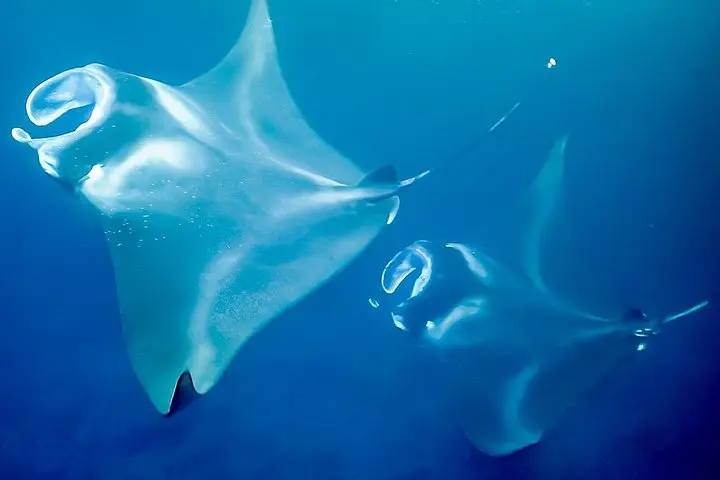
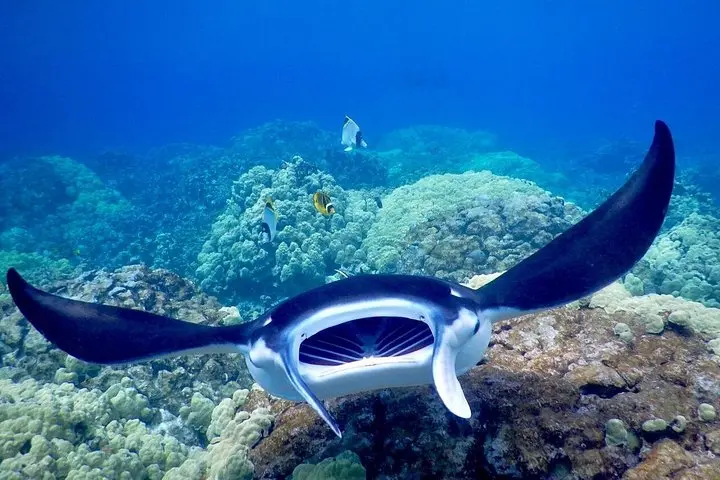
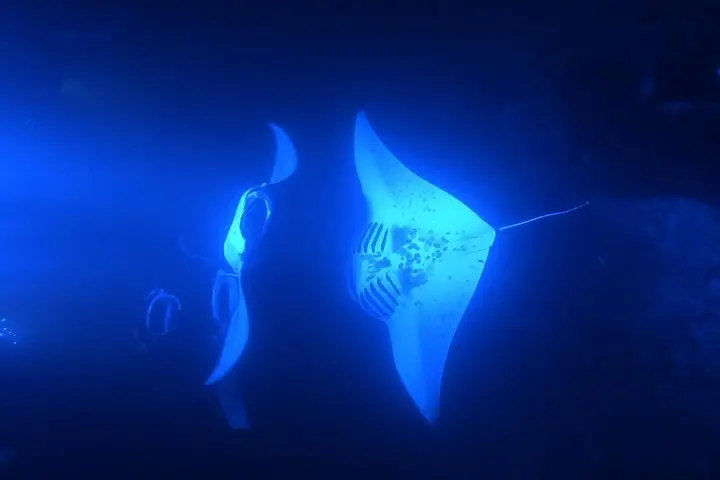
Manta rays—hahalua in some Hawaiian accounts—appear like slow-moving shadows with wings. They ride the currents, turning graceful somersaults in the plume of plankton drawn to the lights. There is no teeth-showing drama here: mantas are filter feeders, and their approach is elegant and purposeful; the ocean seems to invite you into choreography rather than confrontation.
Geologically, the Kona coast is young—lava flows from Mauna Loa and Hualālai spilled into the sea and created the stark black shoreline that defines the region. That contrast—dark rock, clear water, and night sky—creates ideal visibility and nutrient-rich pockets where plankton concentrate after sunset. Culturally, Kona has long been a fishing and voyaging corridor; modern manta tours are framed by boat crews who share Hawaiian names and local lore before guests enter the water.
Practically: the trip runs about 2 hours 15 minutes and departs from the Courtyard Marriott King Kamehameha’s retail office (75-5660 Palani Drive, Ste C8); check-in is 30 minutes before launch. Guides provide wetsuits, snorkel gear and swim noodles; full-face masks are not allowed. The tour requires confident swimmers—anyone not able to swim without flotation will be kept on board. Note safety limits: guests over 300 lb (136 kg) cannot enter the water due to the ladder weight limit, and children under 5 are not permitted in the water.
Expect a mix of motion on the open ocean and still, luminous moments under the surface. Bring a towel, reef-safe sunscreen, and a light jacket for the ride back—the ocean breeze sharpens after dark. If you’re prone to seasickness, take medication beforehand; if you want photos, arrange for a guide to recommend strobe-equipped night shooters or shoot wide-angle video. Hot cocoa and tea are served after the swim; beer, wine and cocktails are available for purchase—must be 21+.
Book early—these tours often sell out—and confirm start times directly with the operator, as they vary by season. Remember: keep hands off the animals, use reef-safe products, and observe quietly; mantas are curious, not obliging. When you climb back aboard to a steaming cup of cocoa and the lights of Kona sliding toward you, you’ll understand why, for many visitors, the stillness of that first manta pass becomes the defining moment of a Hawai‘i night.
The tour lasts approximately 2 hours and 15 minutes (135 minutes) including boat transit, briefing, and the snorkeling portion.
Check in at KONASTYLE’s office at Courtyard Marriott King Kamehameha, 75-5660 Palani Drive, Ste C8, at least 30 minutes before the scheduled departure.
Yes—wetsuits, snorkel equipment and swim noodles are provided; full-face snorkel masks are not allowed.
No—participants must know how to swim without flotation; if crew determines a guest is not competent, they will be asked to remain on board with no refund.
Children under 5 are not allowed in the water and all children must be accompanied by an adult; guests over 300 lb (136 kg) cannot enter the water due to ladder weight limits.
Yes—beer, wine and cocktails are available for purchase on the boat, but the minimum drinking age is 21 and alcohol should not be consumed before entering the water.
Kona Style operates guided outdoor trips and adventures with an emphasis on safety, stewardship, and memorable experiences.
You step off the warm black lava shore of Kailua-Kona as the sun’s last colors wash the ocean and the town lights begin to stitch together along Ali‘i Drive. Onboard a roomy 50-foot catamaran the hum of the engines is low, the air smells faintly of salt and diesel, and the crew runs through a calm, clear safety briefing. Minutes later the boat slips into the dark and the ocean opens; a ring of light from the stern skims the surface and, as if cued, the night comes alive beneath you.
You step off the warm black lava shore of Kailua-Kona as the sun’s last colors wash the ocean and the town lights begin to stitch together along Ali‘i Drive. Onboard a roomy 50-foot catamaran the hum of the engines is low, the air smells faintly of salt and diesel, and the crew runs through a calm, clear safety briefing. Minutes later the boat slips into the dark and the ocean opens; a ring of light from the stern skims the surface and, as if cued, the night comes alive beneath you.
Manta rays—hahalua in some Hawaiian accounts—appear like slow-moving shadows with wings. They ride the currents, turning graceful somersaults in the plume of plankton drawn to the lights. There is no teeth-showing drama here: mantas are filter feeders, and their approach is elegant and purposeful; the ocean seems to invite you into choreography rather than confrontation.
Geologically, the Kona coast is young—lava flows from Mauna Loa and Hualālai spilled into the sea and created the stark black shoreline that defines the region. That contrast—dark rock, clear water, and night sky—creates ideal visibility and nutrient-rich pockets where plankton concentrate after sunset. Culturally, Kona has long been a fishing and voyaging corridor; modern manta tours are framed by boat crews who share Hawaiian names and local lore before guests enter the water.
Practically: the trip runs about 2 hours 15 minutes and departs from the Courtyard Marriott King Kamehameha’s retail office (75-5660 Palani Drive, Ste C8); check-in is 30 minutes before launch. Guides provide wetsuits, snorkel gear and swim noodles; full-face masks are not allowed. The tour requires confident swimmers—anyone not able to swim without flotation will be kept on board. Note safety limits: guests over 300 lb (136 kg) cannot enter the water due to the ladder weight limit, and children under 5 are not permitted in the water.
Expect a mix of motion on the open ocean and still, luminous moments under the surface. Bring a towel, reef-safe sunscreen, and a light jacket for the ride back—the ocean breeze sharpens after dark. If you’re prone to seasickness, take medication beforehand; if you want photos, arrange for a guide to recommend strobe-equipped night shooters or shoot wide-angle video. Hot cocoa and tea are served after the swim; beer, wine and cocktails are available for purchase—must be 21+.
Book early—these tours often sell out—and confirm start times directly with the operator, as they vary by season. Remember: keep hands off the animals, use reef-safe products, and observe quietly; mantas are curious, not obliging. When you climb back aboard to a steaming cup of cocoa and the lights of Kona sliding toward you, you’ll understand why, for many visitors, the stillness of that first manta pass becomes the defining moment of a Hawai‘i night.