THE ADVENTURE COLLECTIVE® · Independent discovery and booking for outdoor travel

Float at the surface under focused lights as giant manta rays glide close to feed. This small-group Kona night snorkel pairs short boat rides, expert in-water guides, and up-close marine life viewing — perfect for confident snorkelers seeking an intimate ocean encounter.
Float at the surface under focused lights as giant manta rays glide close to feed. This small-group Kona night snorkel pairs short boat rides, expert in-water guides, and up-close marine life viewing — perfect for confident snorkelers seeking an intimate ocean encounter.
The boat slips away from Kona’s lights and the dark Pacific opens around you — warm night air, the hush of an attentive crew, and a small cluster of dive lights bobbing like a promise in the water.
Verified experiences and guided adventures in the surrounding area.
Operated by Kona Snorkel Tours · Kailua-Kona, Hawaii
The boat slips away from Kona’s lights and the dark Pacific opens around you — warm night air, the hush of an attentive crew, and a small cluster of dive lights bobbing like a promise in the water.
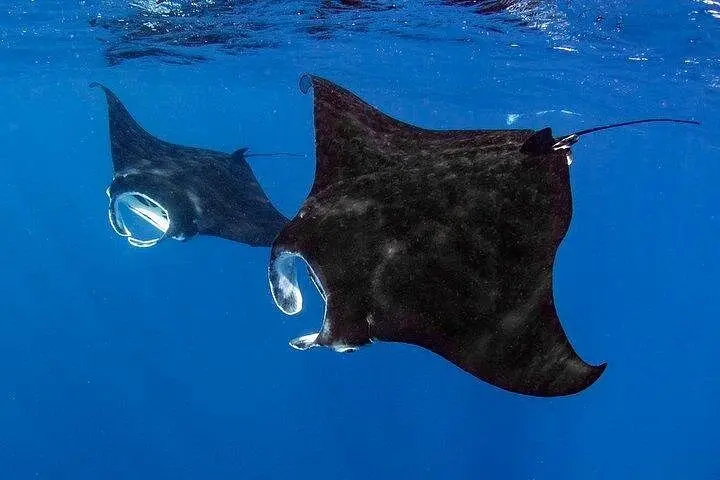
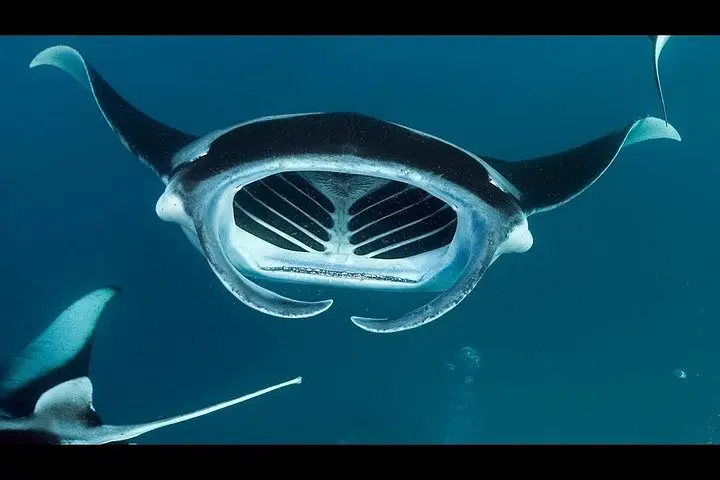
Along the Kona coast the seafloor drops quickly, lava-carved cliffs giving way to deep water that attracts plankton and, in turn, manta rays. Manta night snorkels grew from local guiding practices and Kona’s geology: nearshore drop-offs and clear subtropical water create ideal feeding zones where manta rays perform slow, graceful arcs to filter plankton. The experience mixes natural history and local stewardship — many family-run operators emphasize minimal disturbance and reef-safe practices.
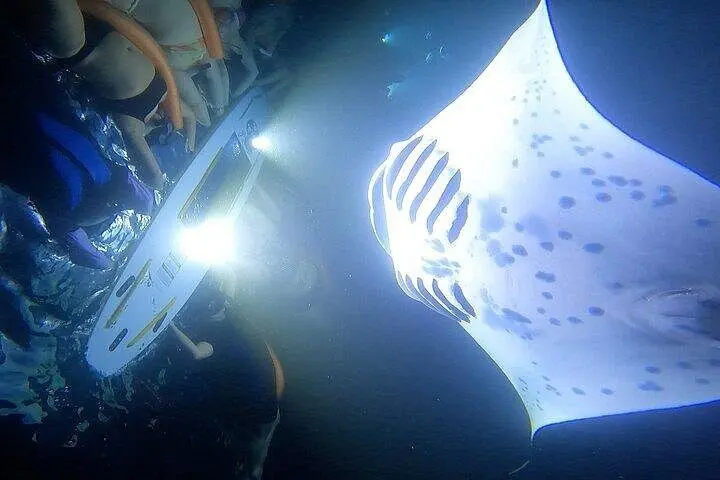
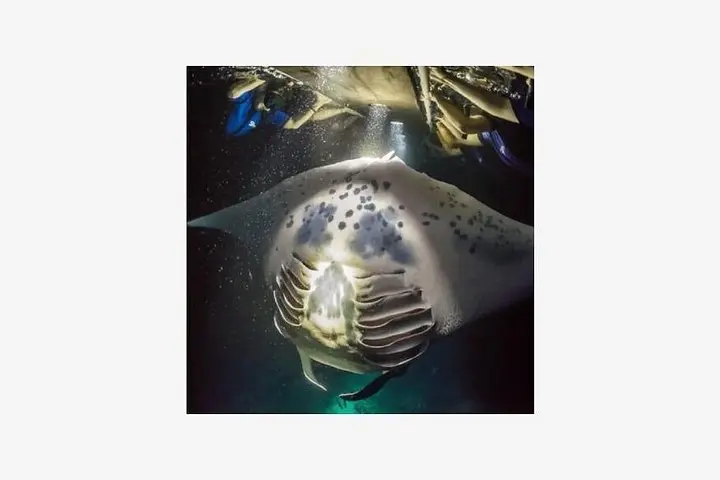
Practically, expect a short 4–5 minute boat ride to the site and a 60-minute excursion overall with 20–40 minutes in the water. Guides rig underwater lights and a custom float board; you’ll float at the surface, hold the board, and watch mantas feed as they sweep in close. Small groups (max 13) mean more personal attention and clearer viewing than larger boats.
Prepare by brushing up on snorkeling skills, packing reef-safe sunscreen for pre-boarding, and wearing a swimsuit and lightweight cover-up on the boat. Prescription mask users should bring their own — operators generally don’t supply them. If you’re prone to seasickness or have recent surgery, check with the provider beforehand. Remember: mantas are wild and sightings aren’t guaranteed, so go for the whole experience — the quiet, the lights, and the chance to see one of the ocean’s largest gentle filter-feeders a few feet away.
No — manta rays are wild and sightings can’t be guaranteed; however, guides target reliable feeding sites and use lights to attract plankton, improving chances.
Basic swimming and prior snorkeling experience are required; children who meet these skills and can climb a ladder may join, but check age and weight limits with the operator.
Use of snorkeling equipment and wetsuits are typically provided, but prescription masks are not—bring personal items if needed.
This tour is not recommended for guests with recent surgery, serious heart problems, or spinal injuries; contact the provider to discuss individual health concerns.
Kona Snorkel Tours operates guided outdoor trips and adventures with an emphasis on safety, stewardship, and memorable experiences.
The boat slips away from Kona’s lights and the dark Pacific opens around you — warm night air, the hush of an attentive crew, and a small cluster of dive lights bobbing like a promise in the water.
The boat slips away from Kona’s lights and the dark Pacific opens around you — warm night air, the hush of an attentive crew, and a small cluster of dive lights bobbing like a promise in the water.
Along the Kona coast the seafloor drops quickly, lava-carved cliffs giving way to deep water that attracts plankton and, in turn, manta rays. Manta night snorkels grew from local guiding practices and Kona’s geology: nearshore drop-offs and clear subtropical water create ideal feeding zones where manta rays perform slow, graceful arcs to filter plankton. The experience mixes natural history and local stewardship — many family-run operators emphasize minimal disturbance and reef-safe practices.
Practically, expect a short 4–5 minute boat ride to the site and a 60-minute excursion overall with 20–40 minutes in the water. Guides rig underwater lights and a custom float board; you’ll float at the surface, hold the board, and watch mantas feed as they sweep in close. Small groups (max 13) mean more personal attention and clearer viewing than larger boats.
Prepare by brushing up on snorkeling skills, packing reef-safe sunscreen for pre-boarding, and wearing a swimsuit and lightweight cover-up on the boat. Prescription mask users should bring their own — operators generally don’t supply them. If you’re prone to seasickness or have recent surgery, check with the provider beforehand. Remember: mantas are wild and sightings aren’t guaranteed, so go for the whole experience — the quiet, the lights, and the chance to see one of the ocean’s largest gentle filter-feeders a few feet away.