THE ADVENTURE COLLECTIVE® · Independent discovery and booking for outdoor travel

Board at dusk off Kona and float beneath lights as manta rays glide inches away in one of the planet’s most reliable night wildlife shows. This one-tank boat charter mixes education, stewardship, and an unforgettable ocean encounter.
Board at dusk off Kona and float beneath lights as manta rays glide inches away in one of the planet’s most reliable night wildlife shows. This one-tank boat charter mixes education, stewardship, and an unforgettable ocean encounter.
The evening air on Kona’s harbor tastes of salt and warm lava rock as the boat slips away from shore and the shoreline lights recede. Below, black water becomes a theater: lights suspended from the stern attract plankton, plankton draw mantas, and soon silhouettes begin to glide — wide-winged shapes that circle and feed with deliberate calm.
Verified experiences and guided adventures in the surrounding area.
Operated by Aquatic Life Divers · Kailua-Kona, Hawaii
The evening air on Kona’s harbor tastes of salt and warm lava rock as the boat slips away from shore and the shoreline lights recede. Below, black water becomes a theater: lights suspended from the stern attract plankton, plankton draw mantas, and soon silhouettes begin to glide — wide-winged shapes that circle and feed with deliberate calm.
This encounter takes place off the Kona coast, an area shaped by recent volcanic flows and steep submarine slopes that create nutrient upwellings. Locals have long known the nightly spectacle here; modern conservation and guide practices evolved alongside expanding eco-tourism to protect both animals and guest safety.
Culturally, manta encounters have inspired local stewards who emphasize education and minimal disturbance. Geologically, the abrupt drop-offs and dark basalt seabed focus plankton-rich currents, making this one of the world’s most consistent night wildlife shows.
Practical guidance: tours run about three hours, combining a short boat ride with either a single scuba tank dive or guided snorkel. Night diving requires comfort in the water and basic night-safety skills; snorkelers should expect to float with lights and remain still as mantas pass inches away. Bring a fitted mask, a dive light for divers (but follow guide rules about beam use), and reef-safe sunscreen for daytime prep.
Expect cool-water sensation under a thin wetsuit, a quieting of other senses, and the sudden, graceful approach of a manta that seems to read the water as you do. Book with operators that brief on behavior, enforce no-touch rules, and limit numbers in the water to preserve this rare, intimate encounter.
No—snorkelers are welcome; scuba divers must have an open water certification and may need a refresher if inactive for >2 years.
No wildlife can be guaranteed, but Kona’s conditions make sightings highly consistent; operators cancel for poor weather or low turnout.
Yes, but follow guide rules: no flash, limit white light use, and secure cameras to avoid accidental contact with animals.
Participants should be able to swim and board a boat; operators typically advise against participation for pregnant guests or those with significant back/heart issues.
Aquatic Life Divers operates guided outdoor trips and adventures with an emphasis on safety, stewardship, and memorable experiences.
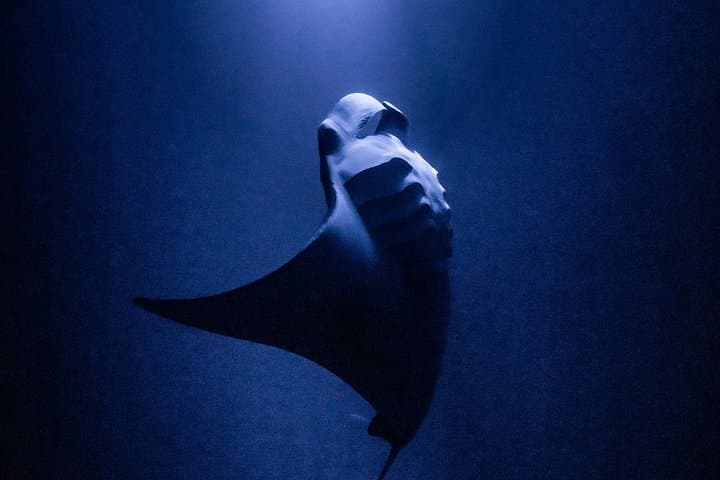
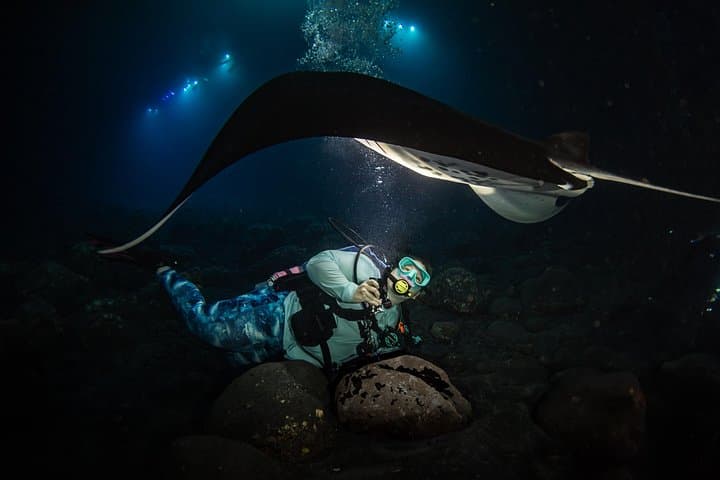
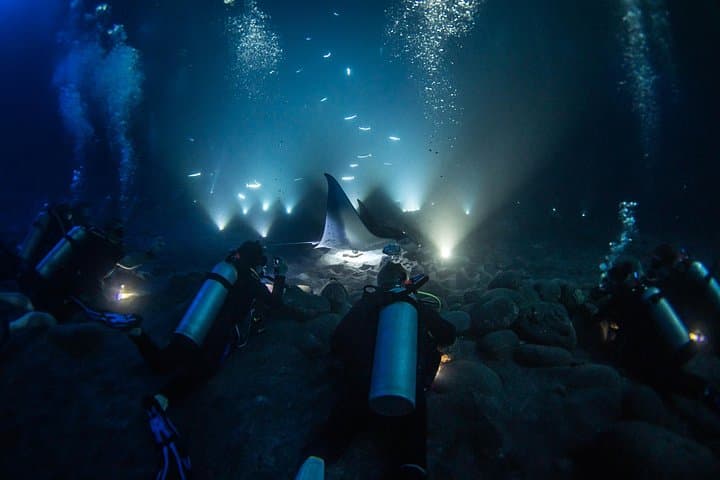
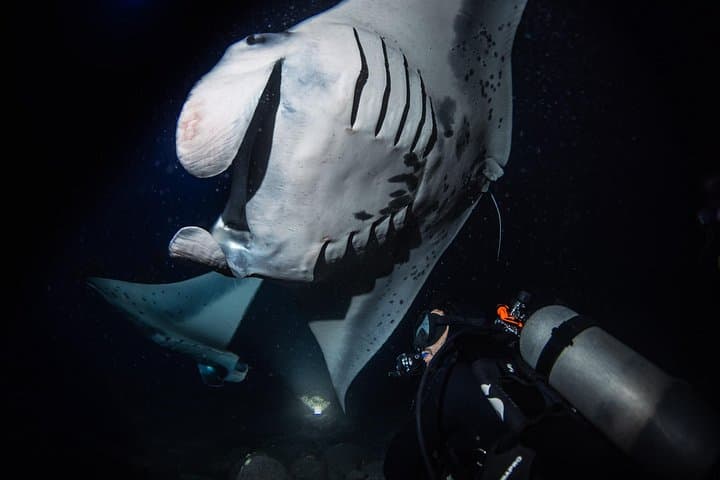
The evening air on Kona’s harbor tastes of salt and warm lava rock as the boat slips away from shore and the shoreline lights recede. Below, black water becomes a theater: lights suspended from the stern attract plankton, plankton draw mantas, and soon silhouettes begin to glide — wide-winged shapes that circle and feed with deliberate calm.
The evening air on Kona’s harbor tastes of salt and warm lava rock as the boat slips away from shore and the shoreline lights recede. Below, black water becomes a theater: lights suspended from the stern attract plankton, plankton draw mantas, and soon silhouettes begin to glide — wide-winged shapes that circle and feed with deliberate calm.
This encounter takes place off the Kona coast, an area shaped by recent volcanic flows and steep submarine slopes that create nutrient upwellings. Locals have long known the nightly spectacle here; modern conservation and guide practices evolved alongside expanding eco-tourism to protect both animals and guest safety.
Culturally, manta encounters have inspired local stewards who emphasize education and minimal disturbance. Geologically, the abrupt drop-offs and dark basalt seabed focus plankton-rich currents, making this one of the world’s most consistent night wildlife shows.
Practical guidance: tours run about three hours, combining a short boat ride with either a single scuba tank dive or guided snorkel. Night diving requires comfort in the water and basic night-safety skills; snorkelers should expect to float with lights and remain still as mantas pass inches away. Bring a fitted mask, a dive light for divers (but follow guide rules about beam use), and reef-safe sunscreen for daytime prep.
Expect cool-water sensation under a thin wetsuit, a quieting of other senses, and the sudden, graceful approach of a manta that seems to read the water as you do. Book with operators that brief on behavior, enforce no-touch rules, and limit numbers in the water to preserve this rare, intimate encounter.