THE ADVENTURE COLLECTIVE® · Independent discovery and booking for outdoor travel

Slip into Kona’s warm night waters and watch manta rays perform barrel rolls beneath floodlights that lure plankton and the rays that feed on it. This guided 90-minute experience balances close wildlife viewing with strict no-touch rules and practical safety briefings.
Slip into Kona’s warm night waters and watch manta rays perform barrel rolls beneath floodlights that lure plankton and the rays that feed on it. This guided 90-minute experience balances close wildlife viewing with strict no-touch rules and practical safety briefings.
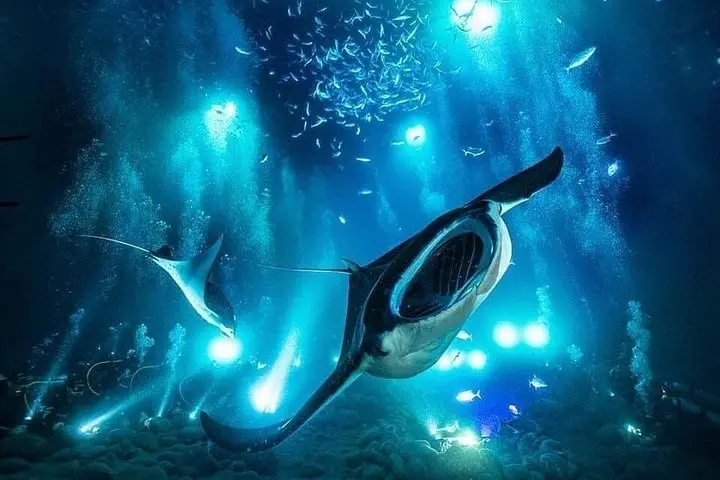
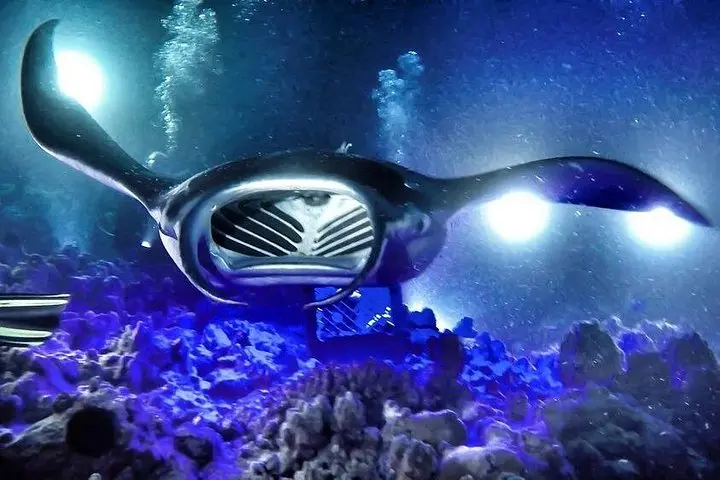
The ocean darkens and the shoreline lights of Kona blur into ribbons as you slip into warm Pacific water. A bank of bright lamps below the surface summons tiny plankton, and within minutes the water begins to move with purpose — mantas arriving to feed, large wings carving slow arcs beneath you.
Verified experiences and guided adventures in the surrounding area.
Operated by Kona Shore Divers · Kailua-Kona, Hawaii
The ocean darkens and the shoreline lights of Kona blur into ribbons as you slip into warm Pacific water. A bank of bright lamps below the surface summons tiny plankton, and within minutes the water begins to move with purpose — mantas arriving to feed, large wings carving slow arcs beneath you.
This night snorkel is as much about biology as it is about theater. Manta barrel-rolling — graceful somersaults to concentrate plankton — is common here, made visible by lights used to attract photosynthetic phytoplankton and the zooplankton that follow. The Kona coast itself sits on recent lava flows from Hualālai and Mauna Loa; the abrupt drop-offs and dark basalt seabed create nutrient pockets that help sustain local plankton blooms.
Kona’s maritime culture and growing marine-science community have shaped how tours operate: respectful viewing, no-touch rules, and interpretive guides who explain both natural history and traditional Hawaiian marine stewardship. Nights are cool but the water stays temperate year-round, and local shops around Kailua‑Kona serve as the usual meeting point before a short boat or shore launch.
Practical notes: tours run about 90 minutes with snorkeling gear provided; bring a full-face mask only if approved, and avoid non–reef-safe sunscreen. Briefings cover open-water safety and weight limits; this activity is best for swimmers comfortable in the dark ocean. Expect close, slow-moving animals rather than fast chases — mantas will approach to feed, often beneath the lights. Timing around sunset and a clear night improves visibility. Follow guide instructions, keep fingers tucked, and let the mantas set the pace.
No — participants should be confident swimmers; tours require basic swimming ability and may provide flotation, but non‑swimmers are usually not permitted.
Yes, but guides typically restrict the use of flash and handheld lights near mantas; bring a waterproof camera with low‑light capability and ask about rules during the briefing.
Mantas are seen year‑round, though sightings can vary nightly; calmer seas and clear nights improve viewing—book multiple nights for better odds.
Not recommended for people with serious cardiac or spinal conditions, or pregnancy; operators often require age, weight, and health details at booking.
Kona Shore Divers operates guided outdoor trips and adventures with an emphasis on safety, stewardship, and memorable experiences.
The ocean darkens and the shoreline lights of Kona blur into ribbons as you slip into warm Pacific water. A bank of bright lamps below the surface summons tiny plankton, and within minutes the water begins to move with purpose — mantas arriving to feed, large wings carving slow arcs beneath you.
The ocean darkens and the shoreline lights of Kona blur into ribbons as you slip into warm Pacific water. A bank of bright lamps below the surface summons tiny plankton, and within minutes the water begins to move with purpose — mantas arriving to feed, large wings carving slow arcs beneath you.
This night snorkel is as much about biology as it is about theater. Manta barrel-rolling — graceful somersaults to concentrate plankton — is common here, made visible by lights used to attract photosynthetic phytoplankton and the zooplankton that follow. The Kona coast itself sits on recent lava flows from Hualālai and Mauna Loa; the abrupt drop-offs and dark basalt seabed create nutrient pockets that help sustain local plankton blooms.
Kona’s maritime culture and growing marine-science community have shaped how tours operate: respectful viewing, no-touch rules, and interpretive guides who explain both natural history and traditional Hawaiian marine stewardship. Nights are cool but the water stays temperate year-round, and local shops around Kailua‑Kona serve as the usual meeting point before a short boat or shore launch.
Practical notes: tours run about 90 minutes with snorkeling gear provided; bring a full-face mask only if approved, and avoid non–reef-safe sunscreen. Briefings cover open-water safety and weight limits; this activity is best for swimmers comfortable in the dark ocean. Expect close, slow-moving animals rather than fast chases — mantas will approach to feed, often beneath the lights. Timing around sunset and a clear night improves visibility. Follow guide instructions, keep fingers tucked, and let the mantas set the pace.