THE ADVENTURE COLLECTIVE® · Independent discovery and booking for outdoor travel

Board a 41' Super‑Raft from Kailua‑Kona for a fast, 2.5‑hour humpback whale watch—big‑ocean viewing with shaded seating, commentary and quick access to feeding and breeding areas. Learn what to expect, how to prepare, and where to look for breaches and spouts.
Board a 41' Super‑Raft from Kailua‑Kona for a fast, 2.5‑hour humpback whale watch—big‑ocean viewing with shaded seating, commentary and quick access to feeding and breeding areas. Learn what to expect, how to prepare, and where to look for breaches and spouts.
The morning sun slides across Kailua‑Kona’s harbor and the Super‑Raft idles against the pier, engines low, the ocean testing your resolve with a cool breeze that smells of salt and lava rock. Guests clamber aboard the 41‑foot raft—seating, shaded decks and a small head—ready for a two‑and‑a‑half hour run where the sea often announces the main act: migrating humpback whales.
Verified experiences and guided adventures in the surrounding area.
Operated by Body Glove Cruises · Kailua-Kona, Hawaii
The morning sun slides across Kailua‑Kona’s harbor and the Super‑Raft idles against the pier, engines low, the ocean testing your resolve with a cool breeze that smells of salt and lava rock. Guests clamber aboard the 41‑foot raft—seating, shaded decks and a small head—ready for a two‑and‑a‑half hour run where the sea often announces the main act: migrating humpback whales.
Offshore, the Hawaiian Islands are young geology—black basalt shoulders dropped into a deep Pacific trench—creating nutrient currents that humpbacks follow each winter. Whaling once shaped Kona’s shoreline economy; today the whales return under federal protection, and local naturalists point out blow patterns, flukes and social behaviors while weaving in Hawaiian cultural respect for marine life.
Expect close but regulated encounters: the captain balances speed and maneuverability to reach blow zones, while observers scan for spouts, breaches and playful dolphins that sometimes escort the raft. Water demands attention—conditions range from glassy to chop—so timing and tide matter.
Practical guidance: arrive 30 minutes early at the Ilima Court office and walk to Kailua Kona Pier; wear non‑slip shoes and layered clothing; bring reef‑safe sunscreen and a wind layer. If you’re prone to seasickness, take medication beforehand and pick a seat amidships where motion is least. Binoculars and a camera with a telephoto lens help freeze a breach; keep batteries warm in cooler pockets. The trip is family‑friendly for older children but not recommended for kids under five, pregnant guests, or those with spinal or serious cardiovascular issues. With a bit of preparation, the Super‑Raft offers an efficient, intimate window into Hawaii’s winter humpback season.
Operators follow federal and state approach rules—typically keeping recommended distances—while maneuvering to give good viewing opportunities without disturbing the animals.
Children older than five are generally permitted; this particular operator excludes children five and under and requires guests to be agile to board safely.
Humpback whales are the primary target during winter months; dolphins and seabirds are common incidental sightings.
Hotel pick‑up is not available; guests should drive to the Ilima Court office and walk about one block to Kailua Kona Pier for boarding.
Body Glove Cruises operates guided outdoor trips and adventures with an emphasis on safety, stewardship, and memorable experiences.

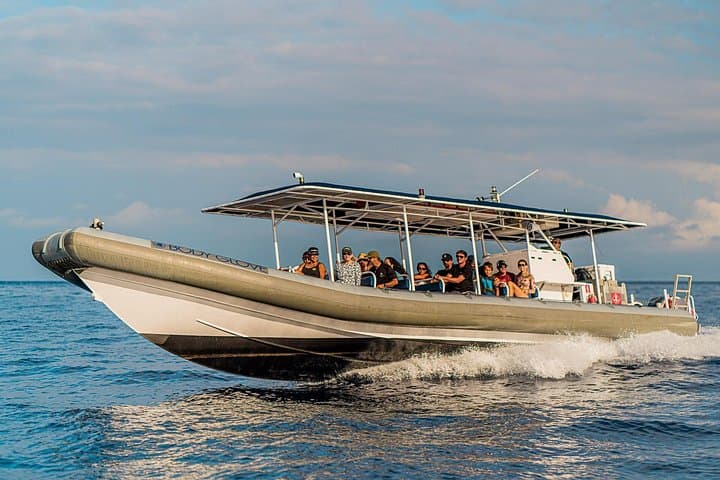
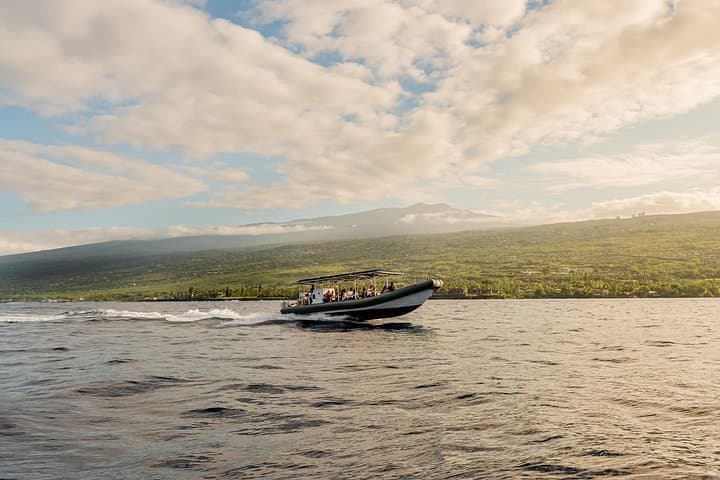
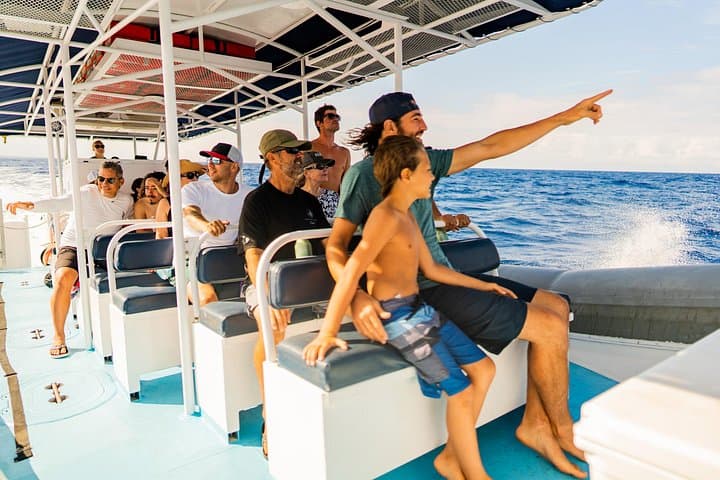
The morning sun slides across Kailua‑Kona’s harbor and the Super‑Raft idles against the pier, engines low, the ocean testing your resolve with a cool breeze that smells of salt and lava rock. Guests clamber aboard the 41‑foot raft—seating, shaded decks and a small head—ready for a two‑and‑a‑half hour run where the sea often announces the main act: migrating humpback whales.
The morning sun slides across Kailua‑Kona’s harbor and the Super‑Raft idles against the pier, engines low, the ocean testing your resolve with a cool breeze that smells of salt and lava rock. Guests clamber aboard the 41‑foot raft—seating, shaded decks and a small head—ready for a two‑and‑a‑half hour run where the sea often announces the main act: migrating humpback whales.
Offshore, the Hawaiian Islands are young geology—black basalt shoulders dropped into a deep Pacific trench—creating nutrient currents that humpbacks follow each winter. Whaling once shaped Kona’s shoreline economy; today the whales return under federal protection, and local naturalists point out blow patterns, flukes and social behaviors while weaving in Hawaiian cultural respect for marine life.
Expect close but regulated encounters: the captain balances speed and maneuverability to reach blow zones, while observers scan for spouts, breaches and playful dolphins that sometimes escort the raft. Water demands attention—conditions range from glassy to chop—so timing and tide matter.
Practical guidance: arrive 30 minutes early at the Ilima Court office and walk to Kailua Kona Pier; wear non‑slip shoes and layered clothing; bring reef‑safe sunscreen and a wind layer. If you’re prone to seasickness, take medication beforehand and pick a seat amidships where motion is least. Binoculars and a camera with a telephoto lens help freeze a breach; keep batteries warm in cooler pockets. The trip is family‑friendly for older children but not recommended for kids under five, pregnant guests, or those with spinal or serious cardiovascular issues. With a bit of preparation, the Super‑Raft offers an efficient, intimate window into Hawaii’s winter humpback season.