THE ADVENTURE COLLECTIVE® · Independent discovery and booking for outdoor travel

Ride a tourist train from Dubrovnik into Konavle’s low vineyards, visit an authentic water mill, and taste family-made Pošip and Plavac Mali. This six-hour excursion blends rural history, hands-on demonstrations and multiple tastings with hotel pickup and return.
Ride a tourist train from Dubrovnik into Konavle’s low vineyards, visit an authentic water mill, and taste family-made Pošip and Plavac Mali. This six-hour excursion blends rural history, hands-on demonstrations and multiple tastings with hotel pickup and return.
The train chugs out of a Dubrovnik suburb and the city’s stone roofs fall away, replaced by rows of mauve and green vines that slope toward a low Adriatic horizon. By mid-afternoon you’re moving through Konavle’s small villages—ancient mills, slate roofs and olive trees—while a guide points out grape varieties and family estates that have shaped this valley for generations.
Verified experiences and guided adventures in the surrounding area.
Operated by Gulliver Travel · Dubrovnik, Dubrovnik-Neretva County
The train chugs out of a Dubrovnik suburb and the city’s stone roofs fall away, replaced by rows of mauve and green vines that slope toward a low Adriatic horizon. By mid-afternoon you’re moving through Konavle’s small villages—ancient mills, slate roofs and olive trees—while a guide points out grape varieties and family estates that have shaped this valley for generations.
Konavle sits at Croatia’s southeastern edge, where the karst geology forces water into narrow streams that powered water mills for centuries. The region’s culture is agricultural and tactile: water-powered flour mills, hand-processed wool and a ploughman’s lunch that reflects a working landscape. The tourist train through Zastolje and Ljuta offers a quiet contrast to Dubrovnik’s fortifications and is a direct line to local foodways—simple, hearty and made to last.
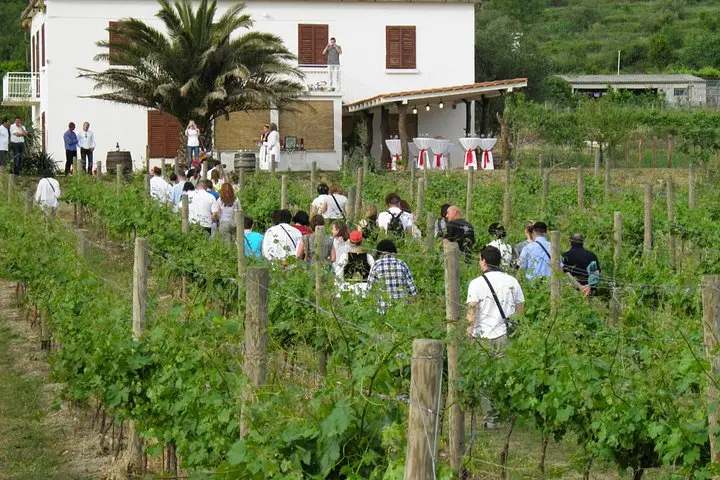
Expect multiple small wineries, guided tastings of local Pošip and Plavac Mali styles, and a short walk across vineyard soil. Demonstrations at the Đivanović mill and a family agrotourism estate show traditional flour and wool processing rather than industrial production. The day runs about six hours with hotel pickup and return.
Practical notes: comfortable, closed-toe footwear and layered clothing are smart—the train ride can be breezy and vineyard paths are uneven. Bring a water bottle and ID for tastings; the minimum age for alcohol is 18. The pace is unhurried but requires moderate fitness for short uphill and unpaved sections. Plan for late-afternoon light if you want photos—views toward the Adriatic sharpen as the sun drops.
The tour lasts about six hours and includes hotel pickup/return, train ride through Konavle, visits to several wineries, a demonstration at the Đivanović water mill, tastings and a snack.
Walking is light to moderate—short stretches over soil and village paths; comfortable shoes and average mobility are sufficient.
Yes—transfers, mill visits and village stops offer cultural value even if you skip tastings; bottled water and snacks are provided.
Yes—seating on the tourist train and winery visits are limited, so book ahead, especially in summer and harvest season.
Gulliver Travel operates guided outdoor trips and adventures with an emphasis on safety, stewardship, and memorable experiences.
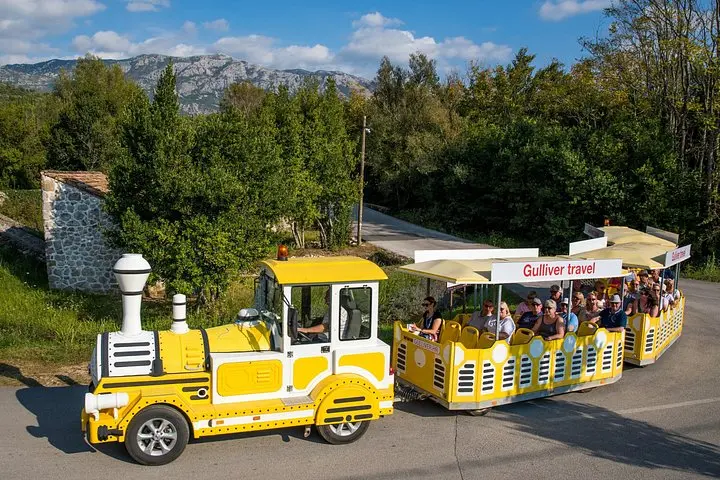
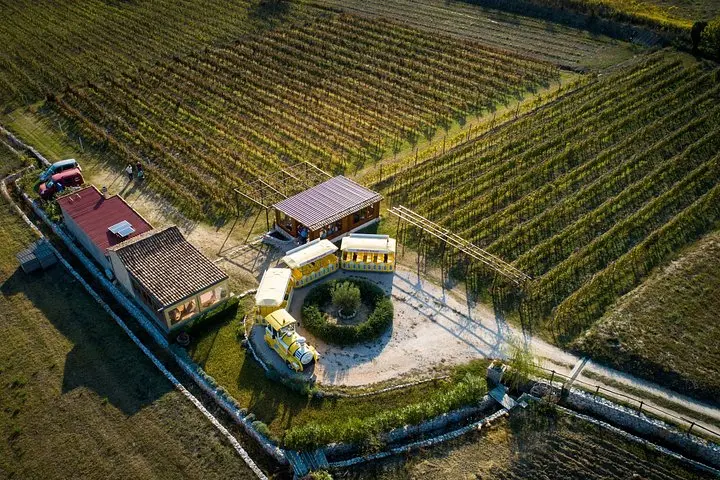
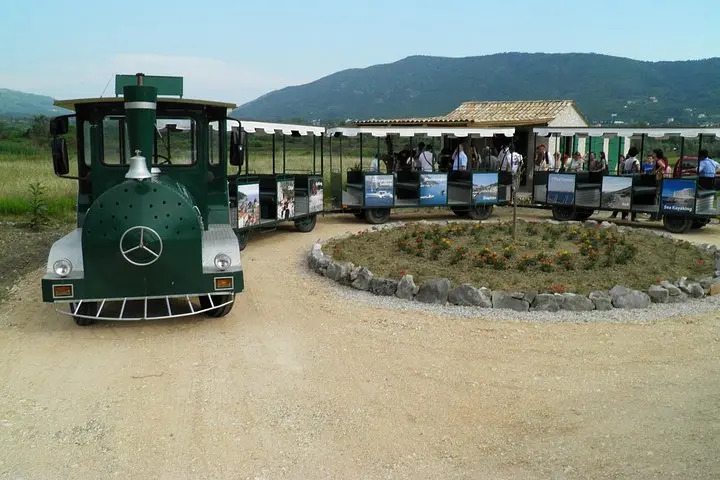
The train chugs out of a Dubrovnik suburb and the city’s stone roofs fall away, replaced by rows of mauve and green vines that slope toward a low Adriatic horizon. By mid-afternoon you’re moving through Konavle’s small villages—ancient mills, slate roofs and olive trees—while a guide points out grape varieties and family estates that have shaped this valley for generations.
The train chugs out of a Dubrovnik suburb and the city’s stone roofs fall away, replaced by rows of mauve and green vines that slope toward a low Adriatic horizon. By mid-afternoon you’re moving through Konavle’s small villages—ancient mills, slate roofs and olive trees—while a guide points out grape varieties and family estates that have shaped this valley for generations.
Konavle sits at Croatia’s southeastern edge, where the karst geology forces water into narrow streams that powered water mills for centuries. The region’s culture is agricultural and tactile: water-powered flour mills, hand-processed wool and a ploughman’s lunch that reflects a working landscape. The tourist train through Zastolje and Ljuta offers a quiet contrast to Dubrovnik’s fortifications and is a direct line to local foodways—simple, hearty and made to last.
Expect multiple small wineries, guided tastings of local Pošip and Plavac Mali styles, and a short walk across vineyard soil. Demonstrations at the Đivanović mill and a family agrotourism estate show traditional flour and wool processing rather than industrial production. The day runs about six hours with hotel pickup and return.
Practical notes: comfortable, closed-toe footwear and layered clothing are smart—the train ride can be breezy and vineyard paths are uneven. Bring a water bottle and ID for tastings; the minimum age for alcohol is 18. The pace is unhurried but requires moderate fitness for short uphill and unpaved sections. Plan for late-afternoon light if you want photos—views toward the Adriatic sharpen as the sun drops.