THE ADVENTURE COLLECTIVE® · Independent discovery and booking for outdoor travel

A compact, three-hour guided walk through Konjic that pairs the Old Stone Bridge and riverside views with heritage museums and traditional woodcarving. Ideal as a half-day cultural stop en route from Sarajevo.
A compact, three-hour guided walk through Konjic that pairs the Old Stone Bridge and riverside views with heritage museums and traditional woodcarving. Ideal as a half-day cultural stop en route from Sarajevo.
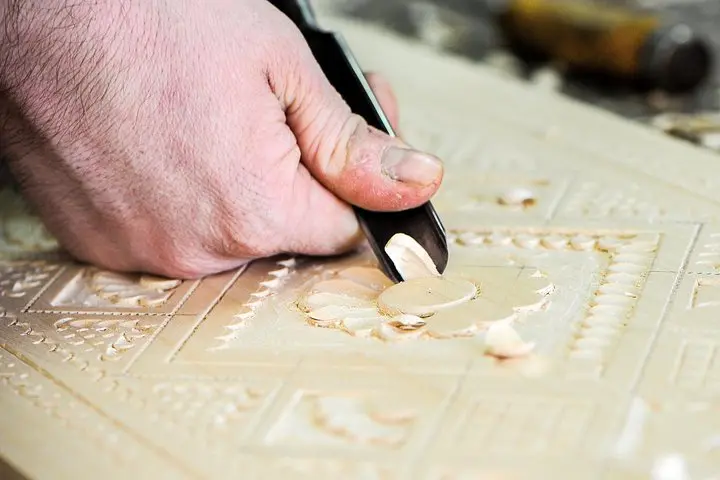
You step off the minibus and the Neretva announces itself — cold, green, and restless — threading the town and daring you to follow. Konjic’s Old Stone Bridge arches over the river like an answered challenge; below, waters carve the valley that separates Prenj’s grey ribs from gentler foothills. Cobbled alleys slope toward the river, and between them small workshops show the town’s living craft: woodcarving panels and furniture that still carry Ottoman and Austro-Hungarian marks.
Verified experiences and guided adventures in the surrounding area.
Operated by Visit Konjic · Konjic, Herzegovina-Neretva Canton
You step off the minibus and the Neretva announces itself — cold, green, and restless — threading the town and daring you to follow. Konjic’s Old Stone Bridge arches over the river like an answered challenge; below, waters carve the valley that separates Prenj’s grey ribs from gentler foothills. Cobbled alleys slope toward the river, and between them small workshops show the town’s living craft: woodcarving panels and furniture that still carry Ottoman and Austro-Hungarian marks.
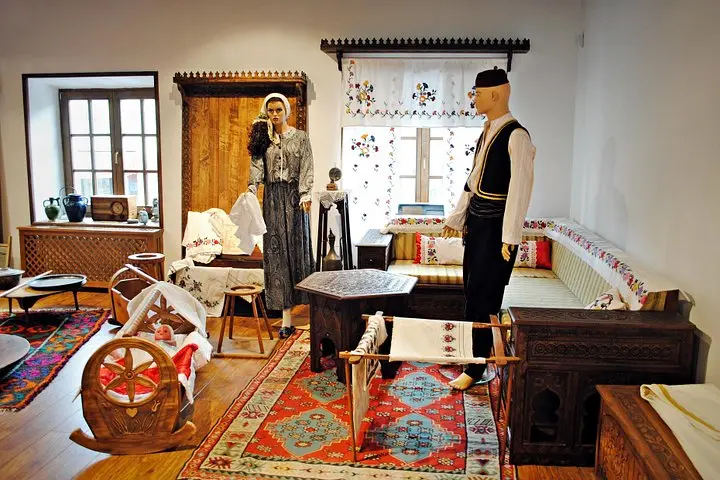
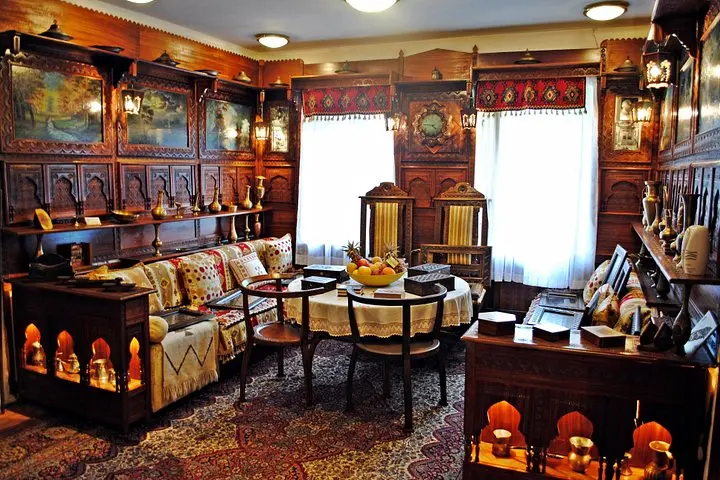
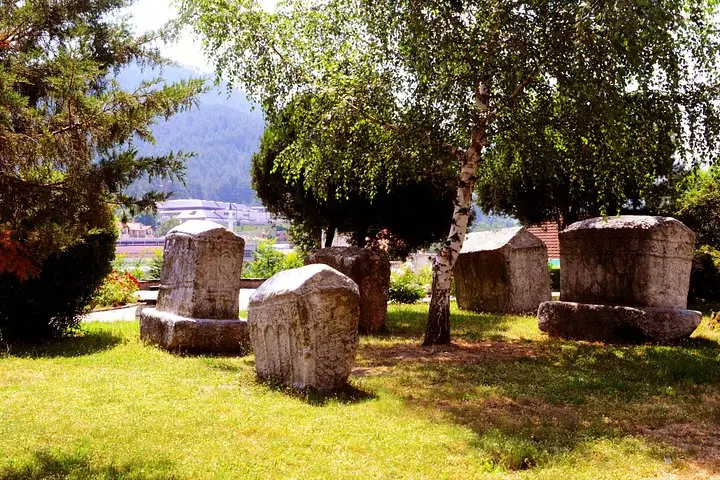
Konjic grew where routes met — a borderland of Bosnian and Herzegovinian influences for centuries. The geology is stark: limestone slopes of the Dinaric Alps feed clear streams into the Neretva’s emerald channel, and the town’s position at that junction made it a strategic and cultural crossroads. On a guided three-hour walk you’ll pass the Old Stone Bridge, a tombstone necropolis, the Heritage Museum, and intimate woodcarving exhibits while a guide sketches the layered history of trade, empire, and local craft.
Practicalities: expect roughly 2–3 km of walking on cobbles and occasional steps with minimal elevation change (under 100 m total gain). Wear sturdy shoes; bring water, a light jacket, and cash for small museum purchases. Mornings offer softer light for photos and cooler air; the route is wheelchair-accessible in parts but involves uneven surfaces. Public transport connects Konjic to Sarajevo in about an hour, making it an easy half-day cultural stop.
This tour balances easy walking with concentrated cultural payoff — an efficient, sensory way to read a town shaped by river, stone, and handcraft.
The tour runs about three hours and typically covers 2–3 km of walking with stops at the Old Stone Bridge, museums, and the necropolis.
Yes—this tour is described as physically easy and suitable for all ages, but uneven cobbles may be challenging for some mobility concerns.
Entrance to the Heritage Museum and woodcarving museums is included as part of the tour according to the itinerary.
Konjic is reachable by car or public bus from Sarajevo in roughly 60–90 minutes depending on traffic; check local schedules for current times.
Visit Konjic operates guided outdoor trips and adventures with an emphasis on safety, stewardship, and memorable experiences.
You step off the minibus and the Neretva announces itself — cold, green, and restless — threading the town and daring you to follow. Konjic’s Old Stone Bridge arches over the river like an answered challenge; below, waters carve the valley that separates Prenj’s grey ribs from gentler foothills. Cobbled alleys slope toward the river, and between them small workshops show the town’s living craft: woodcarving panels and furniture that still carry Ottoman and Austro-Hungarian marks.
You step off the minibus and the Neretva announces itself — cold, green, and restless — threading the town and daring you to follow. Konjic’s Old Stone Bridge arches over the river like an answered challenge; below, waters carve the valley that separates Prenj’s grey ribs from gentler foothills. Cobbled alleys slope toward the river, and between them small workshops show the town’s living craft: woodcarving panels and furniture that still carry Ottoman and Austro-Hungarian marks.
Konjic grew where routes met — a borderland of Bosnian and Herzegovinian influences for centuries. The geology is stark: limestone slopes of the Dinaric Alps feed clear streams into the Neretva’s emerald channel, and the town’s position at that junction made it a strategic and cultural crossroads. On a guided three-hour walk you’ll pass the Old Stone Bridge, a tombstone necropolis, the Heritage Museum, and intimate woodcarving exhibits while a guide sketches the layered history of trade, empire, and local craft.
Practicalities: expect roughly 2–3 km of walking on cobbles and occasional steps with minimal elevation change (under 100 m total gain). Wear sturdy shoes; bring water, a light jacket, and cash for small museum purchases. Mornings offer softer light for photos and cooler air; the route is wheelchair-accessible in parts but involves uneven surfaces. Public transport connects Konjic to Sarajevo in about an hour, making it an easy half-day cultural stop.
This tour balances easy walking with concentrated cultural payoff — an efficient, sensory way to read a town shaped by river, stone, and handcraft.