THE ADVENTURE COLLECTIVE® · Independent discovery and booking for outdoor travel

A compact 3-day trek from Pokhara that reaches Kopuche, one of the lower glacial lakes in the Annapurna foothills, and visits Sikles — a traditional Gurung village. Expect forested trails, tea-house nights and cultural exchange on a route suited to hikers with moderate fitness.
A compact 3-day trek from Pokhara that reaches Kopuche, one of the lower glacial lakes in the Annapurna foothills, and visits Sikles — a traditional Gurung village. Expect forested trails, tea-house nights and cultural exchange on a route suited to hikers with moderate fitness.
A thin morning lifts off the Pokhara valley as your vehicle eases toward Nayapul and the trailhead. The path climbs out of riverine farmland into damp, old-growth forest where rhododendron and oak close in like companions, and the sound of the trail — feet, birds, distant water — becomes the day’s metronome.
Verified experiences and guided adventures in the surrounding area.
Operated by Peak to Peak Tours and Treks Pvt Ltd · Sikles, Gandaki Province
A thin morning lifts off the Pokhara valley as your vehicle eases toward Nayapul and the trailhead. The path climbs out of riverine farmland into damp, old-growth forest where rhododendron and oak close in like companions, and the sound of the trail — feet, birds, distant water — becomes the day’s metronome.
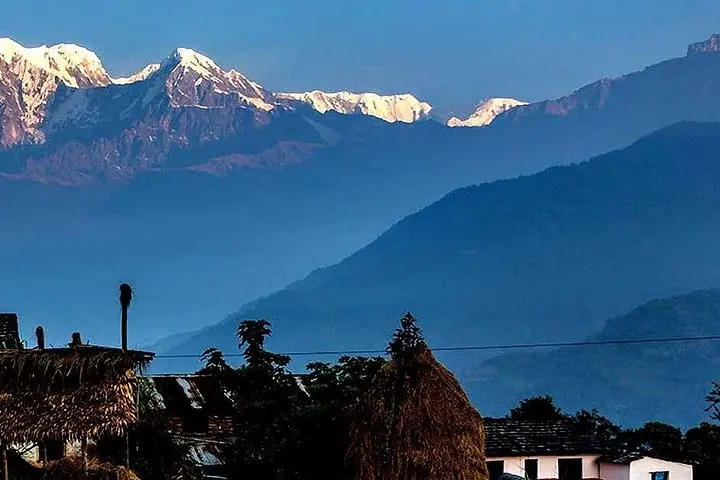
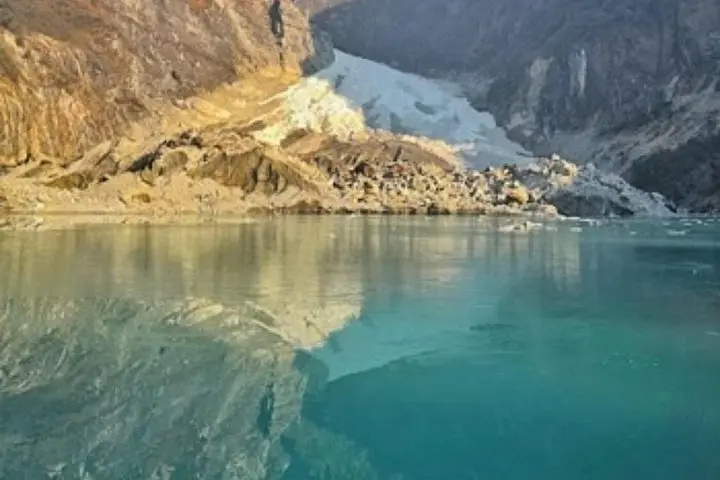
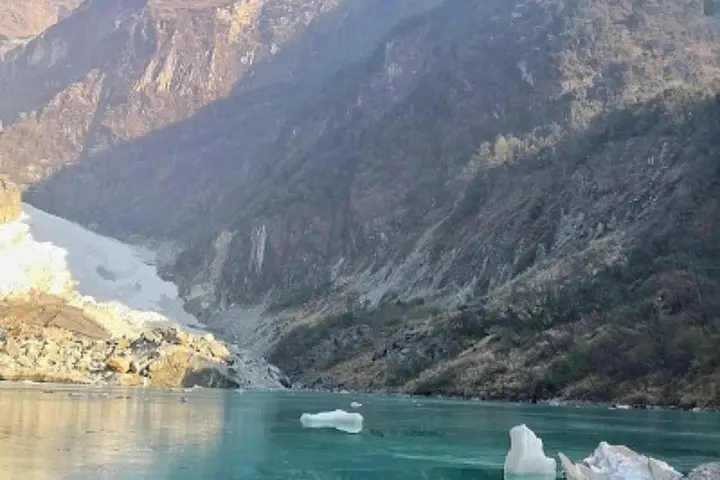
This short trek links low-altitude glacial landscapes with traditional Gurung hilllife. Kopuche is counted among the lower-elevation glacial lakes at the foot of the Himalaya, sitting behind moraine walls set by retreating ice. Sikles village preserves a living highland culture: terraced fields, stone houses, and Gurung hospitality shaped by centuries of mountain agriculture and seasonal trade routes toward the high ridges.
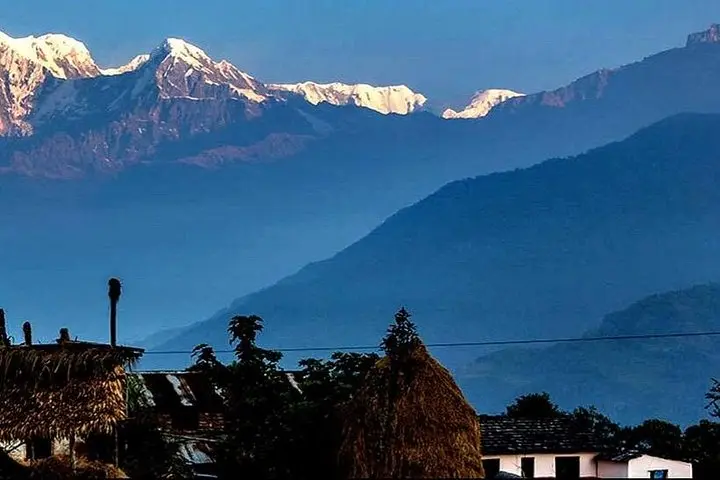
Expect 8–12 km of walking per day over singletrack, stone staircases and dirt switchbacks with daily ascent typically in the 700–1,000 m range on steeper sections. Tea houses provide basic lodging and dal-bhat; nights are simple and social. The forest will press close on early slopes, then open on viewpoint clearings that let the Annapurna massif push into the skyline.
Plan for heavy boots, layered clothing and a light daypack; bring cash for tea-house refreshments and tipping. Hydrate well and move steadily—altitude here is moderate but unforgiving if you rush. Best times are spring and autumn for clear views; monsoon brings wet trails and leeches, winter brings cold nights. With short days of walking and authentic village interaction, this trek is an efficient way to taste Annapurna’s landscapes and culture without a long expedition.
This short route is usually covered under Annapurna Conservation Area regulations; guides typically handle necessary permits—confirm with your operator before departure.
Expect moderate effort: 8–12 km per day with steady climbs and uneven terrain; no technical climbing is required but endurance and good footing matter.
Overnights are at local tea houses offering simple dorm-style rooms or twin rooms, basic meals (dal-bhat), and shared bathrooms; hot showers may cost extra.
Not recommended for pregnant travelers; children with trekking experience and good fitness may manage, but discuss specifics with the operator and guide.
Peak to Peak Tours and Treks Pvt Ltd operates guided outdoor trips and adventures with an emphasis on safety, stewardship, and memorable experiences.
A thin morning lifts off the Pokhara valley as your vehicle eases toward Nayapul and the trailhead. The path climbs out of riverine farmland into damp, old-growth forest where rhododendron and oak close in like companions, and the sound of the trail — feet, birds, distant water — becomes the day’s metronome.
A thin morning lifts off the Pokhara valley as your vehicle eases toward Nayapul and the trailhead. The path climbs out of riverine farmland into damp, old-growth forest where rhododendron and oak close in like companions, and the sound of the trail — feet, birds, distant water — becomes the day’s metronome.
This short trek links low-altitude glacial landscapes with traditional Gurung hilllife. Kopuche is counted among the lower-elevation glacial lakes at the foot of the Himalaya, sitting behind moraine walls set by retreating ice. Sikles village preserves a living highland culture: terraced fields, stone houses, and Gurung hospitality shaped by centuries of mountain agriculture and seasonal trade routes toward the high ridges.
Expect 8–12 km of walking per day over singletrack, stone staircases and dirt switchbacks with daily ascent typically in the 700–1,000 m range on steeper sections. Tea houses provide basic lodging and dal-bhat; nights are simple and social. The forest will press close on early slopes, then open on viewpoint clearings that let the Annapurna massif push into the skyline.
Plan for heavy boots, layered clothing and a light daypack; bring cash for tea-house refreshments and tipping. Hydrate well and move steadily—altitude here is moderate but unforgiving if you rush. Best times are spring and autumn for clear views; monsoon brings wet trails and leeches, winter brings cold nights. With short days of walking and authentic village interaction, this trek is an efficient way to taste Annapurna’s landscapes and culture without a long expedition.