THE ADVENTURE COLLECTIVE® · Independent discovery and booking for outdoor travel

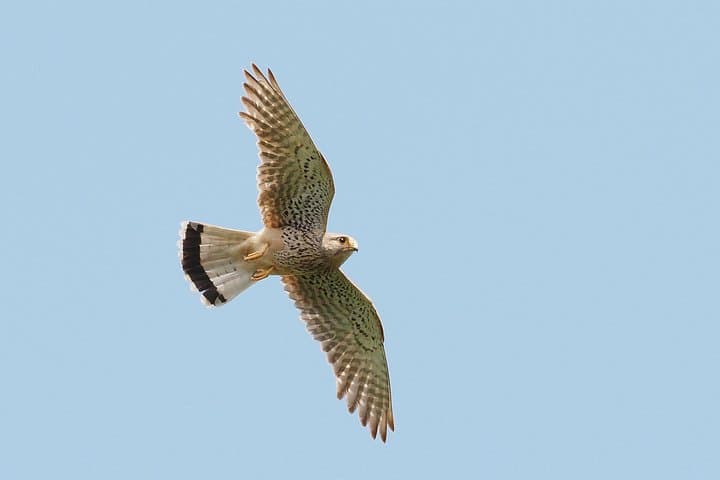
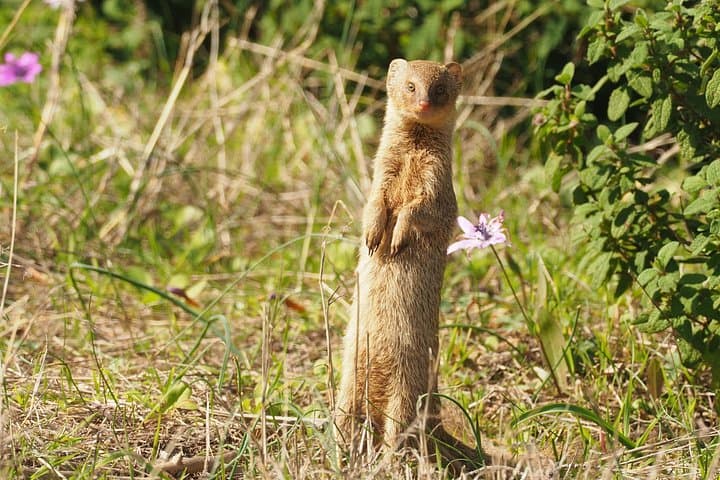
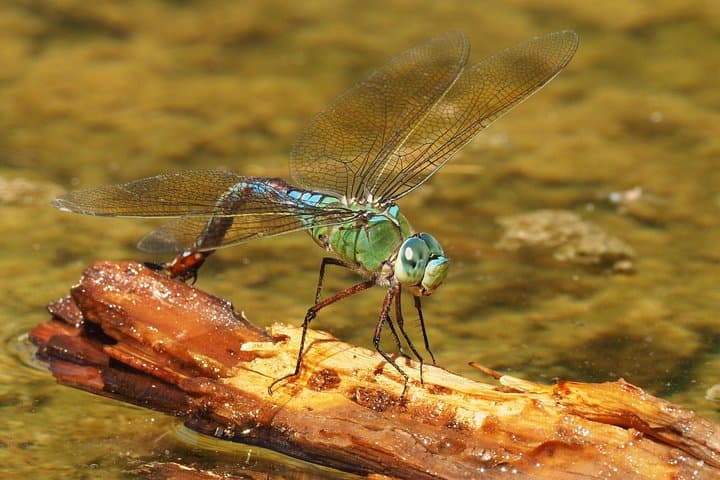
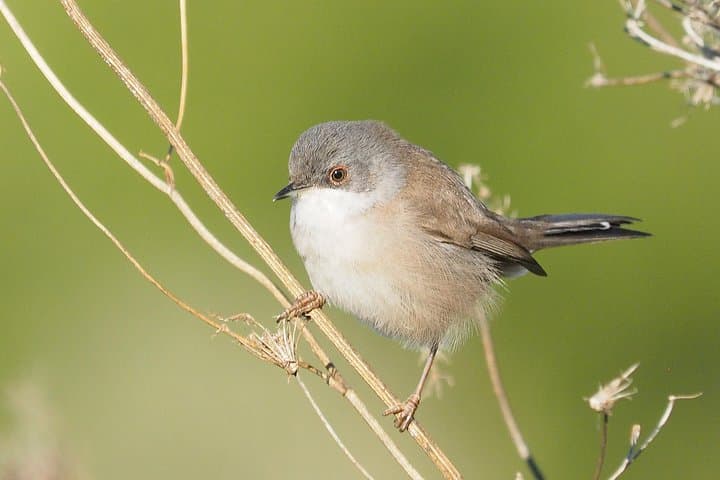
Sit quiet in a Lumbarda hide at dawn and photograph wagtails, kestrels and dragonflies as they busily claim the marsh edges. This private, expert-led session blends local knowledge with practical photography tips for steady, high-value sightings.
Sit quiet in a Lumbarda hide at dawn and photograph wagtails, kestrels and dragonflies as they busily claim the marsh edges. This private, expert-led session blends local knowledge with practical photography tips for steady, high-value sightings.
Morning light on Korčula breaks across low pine ridges and the sea smells like salt and wild thyme. You meet your local expert before first light, climb into a short drive toward Lumbarda and slip into a camouflage tent set up at a coastal post. The island’s scrub and olive groves lean in close; wagtails flit, kestrels circle, and dragonflies hunt the marshy edges as you settle into the hide for focused photography.
Verified experiences and guided adventures in the surrounding area.
Operated by Korčula Tours with Saša · Lumbarda, Dubrovnik-Neretva County
Morning light on Korčula breaks across low pine ridges and the sea smells like salt and wild thyme. You meet your local expert before first light, climb into a short drive toward Lumbarda and slip into a camouflage tent set up at a coastal post. The island’s scrub and olive groves lean in close; wagtails flit, kestrels circle, and dragonflies hunt the marshy edges as you settle into the hide for focused photography.
Korčula’s geology is karst limestone: thin soils, terraced vineyards and pockets of freshwater where birds concentrate. The human story here is maritime and agrarian — stone houses, lateen sails once common, and villages that grew around sheltered coves. Local knowledge matters: seasonal migration routes and microhabitats determine what turns up on any given morning.
This private 4–4.5 hour experience is practical and patient. Expect short walks on dirt tracks, long quiet waits in a two-person hide, and repeated, concentrated photo opportunities. Bring a telephoto lens and a monopod for stability; binoculars help scout before shooting. Timing is everything — dawn and the hour after are most productive, when songbirds and raptors are active.
Respect for wildlife is non-negotiable: stay silent, keep distance, and follow the guide’s directions. You’ll leave with field notes, tips on Croatian species and habitats, and better frames of marsh terns, shrikes and orchids among Korčula’s stone walls. For focused birding and honest island scenery, this is a hands-on, low-impact way to see the natural side of Dalmatia.
Pick-up is just before sunrise (around 6:00 a.m., season-dependent); exact time provided at booking.
Yes — beginners with patience are welcome; the guide provides species identification and photography tips.
A camouflage hide and two chairs are provided; bring your own camera and lenses for best results.
The operator may cancel or reschedule for heavy rain or unsafe conditions; cancel at least 24 hours for a full refund per policy.
Korčula Tours with Saša operates guided outdoor trips and adventures with an emphasis on safety, stewardship, and memorable experiences.
Morning light on Korčula breaks across low pine ridges and the sea smells like salt and wild thyme. You meet your local expert before first light, climb into a short drive toward Lumbarda and slip into a camouflage tent set up at a coastal post. The island’s scrub and olive groves lean in close; wagtails flit, kestrels circle, and dragonflies hunt the marshy edges as you settle into the hide for focused photography.
Morning light on Korčula breaks across low pine ridges and the sea smells like salt and wild thyme. You meet your local expert before first light, climb into a short drive toward Lumbarda and slip into a camouflage tent set up at a coastal post. The island’s scrub and olive groves lean in close; wagtails flit, kestrels circle, and dragonflies hunt the marshy edges as you settle into the hide for focused photography.
Korčula’s geology is karst limestone: thin soils, terraced vineyards and pockets of freshwater where birds concentrate. The human story here is maritime and agrarian — stone houses, lateen sails once common, and villages that grew around sheltered coves. Local knowledge matters: seasonal migration routes and microhabitats determine what turns up on any given morning.
This private 4–4.5 hour experience is practical and patient. Expect short walks on dirt tracks, long quiet waits in a two-person hide, and repeated, concentrated photo opportunities. Bring a telephoto lens and a monopod for stability; binoculars help scout before shooting. Timing is everything — dawn and the hour after are most productive, when songbirds and raptors are active.
Respect for wildlife is non-negotiable: stay silent, keep distance, and follow the guide’s directions. You’ll leave with field notes, tips on Croatian species and habitats, and better frames of marsh terns, shrikes and orchids among Korčula’s stone walls. For focused birding and honest island scenery, this is a hands-on, low-impact way to see the natural side of Dalmatia.