THE ADVENTURE COLLECTIVE® · Independent discovery and booking for outdoor travel

A private full-day from Dubrovnik that combines a scenic drive across Pelješac, an oyster stop at Ston, and time to walk Korčula’s medieval streets. Perfect for wine lovers and history-minded travelers who want a flexible island day.
A private full-day from Dubrovnik that combines a scenic drive across Pelješac, an oyster stop at Ston, and time to walk Korčula’s medieval streets. Perfect for wine lovers and history-minded travelers who want a flexible island day.
You leave Dubrovnik before the sun climbs high, tires humming as the coast opens into a ribbon of sea and vineyards. The road across the Pelješac peninsula runs close to the water; the Adriatic dares you to look away as little coves flash between stone terraces and wind-sculpted pines. A short stop in Ston puts the town’s great walls within reach and oysters on the table, salty and immediate.
Verified experiences and guided adventures in the surrounding area.
Operated by DUBROVNIK TOP TOURS · Korčula, Dubrovnik-Neretva County
You leave Dubrovnik before the sun climbs high, tires humming as the coast opens into a ribbon of sea and vineyards. The road across the Pelješac peninsula runs close to the water; the Adriatic dares you to look away as little coves flash between stone terraces and wind-sculpted pines. A short stop in Ston puts the town’s great walls within reach and oysters on the table, salty and immediate.
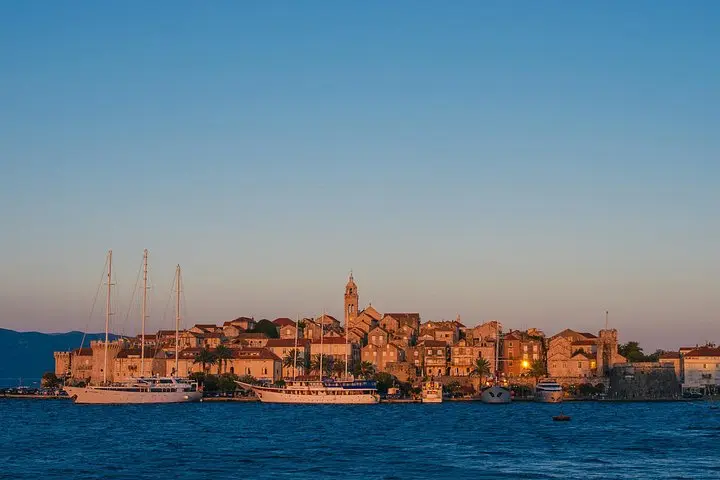
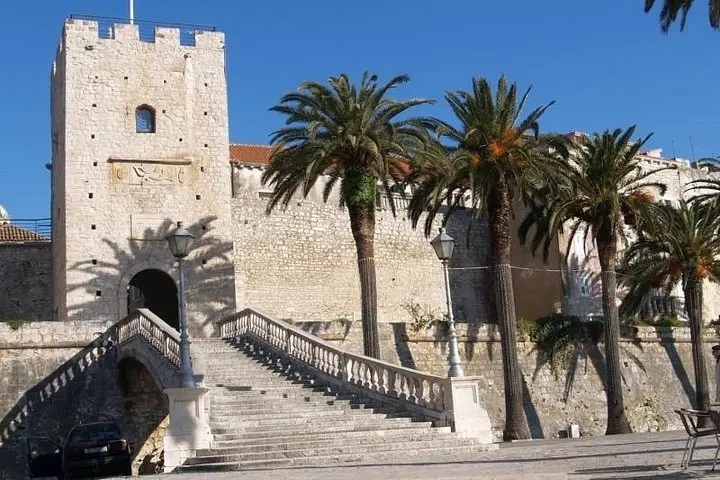
Korčula town sits on a narrow finger of land, its compact medieval core ringed by stone houses and alleys that slope toward a stone harbor. Locals still point to a house as Marco Polo’s birthplace; historians debate the claim, but the island’s maritime culture and Venetian Gothic architecture are indisputable. Geologically, Pelješac and Korčula are karst islands—limestone underlayered by thin soils that favor vineyards and aromatic scrub. The sea here is clear and frequently animated by cormorants or passing dolphins, especially in calm weather.
Practically, this private full-day tour runs about nine hours door-to-door, including a short 10–15 minute boat hop from Orebić to Korčula. Expect uneven cobbles and narrow streets in the old town—good walking shoes matter. The itinerary is flexible: stops for wine tastings, the Ston salt pans, or beach detours can be added. Bring sun protection, a light daypack, and some cash for small shops and seafood stalls. For quieter photos and a less crowded lunch, time your visit outside peak cruise-ship windows. The route balances coastal scenery, edible local culture, and the easy rewards of island exploration.
Yes—this private tour includes pickup and drop-off from arranged Dubrovnik accommodations.
Yes—the route commonly includes optional stops at Pelješac wineries and Ston oyster stands; tastings may incur extra fees.
The boat hop from Orebić to Korčula takes roughly 10–15 minutes; the tour also includes a scenic drive of about 2–2.5 hours each way depending on stops.
Yes—infant seats and stroller accessibility are available, but expect cobbled streets in Korčula town that are not stroller-friendly for long distances.
DUBROVNIK TOP TOURS operates guided outdoor trips and adventures with an emphasis on safety, stewardship, and memorable experiences.
You leave Dubrovnik before the sun climbs high, tires humming as the coast opens into a ribbon of sea and vineyards. The road across the Pelješac peninsula runs close to the water; the Adriatic dares you to look away as little coves flash between stone terraces and wind-sculpted pines. A short stop in Ston puts the town’s great walls within reach and oysters on the table, salty and immediate.
You leave Dubrovnik before the sun climbs high, tires humming as the coast opens into a ribbon of sea and vineyards. The road across the Pelješac peninsula runs close to the water; the Adriatic dares you to look away as little coves flash between stone terraces and wind-sculpted pines. A short stop in Ston puts the town’s great walls within reach and oysters on the table, salty and immediate.
Korčula town sits on a narrow finger of land, its compact medieval core ringed by stone houses and alleys that slope toward a stone harbor. Locals still point to a house as Marco Polo’s birthplace; historians debate the claim, but the island’s maritime culture and Venetian Gothic architecture are indisputable. Geologically, Pelješac and Korčula are karst islands—limestone underlayered by thin soils that favor vineyards and aromatic scrub. The sea here is clear and frequently animated by cormorants or passing dolphins, especially in calm weather.
Practically, this private full-day tour runs about nine hours door-to-door, including a short 10–15 minute boat hop from Orebić to Korčula. Expect uneven cobbles and narrow streets in the old town—good walking shoes matter. The itinerary is flexible: stops for wine tastings, the Ston salt pans, or beach detours can be added. Bring sun protection, a light daypack, and some cash for small shops and seafood stalls. For quieter photos and a less crowded lunch, time your visit outside peak cruise-ship windows. The route balances coastal scenery, edible local culture, and the easy rewards of island exploration.