THE ADVENTURE COLLECTIVE® · Independent discovery and booking for outdoor travel

Spend a full day between Pelješac’s vineyards and Korčula’s medieval lanes: wine tastings, oyster farms, and Ston’s ancient salt pans. This private tour blends short walks with seated tastings and coastal scenery for an accessible day on Croatia’s southern coast.
Spend a full day between Pelješac’s vineyards and Korčula’s medieval lanes: wine tastings, oyster farms, and Ston’s ancient salt pans. This private tour blends short walks with seated tastings and coastal scenery for an accessible day on Croatia’s southern coast.
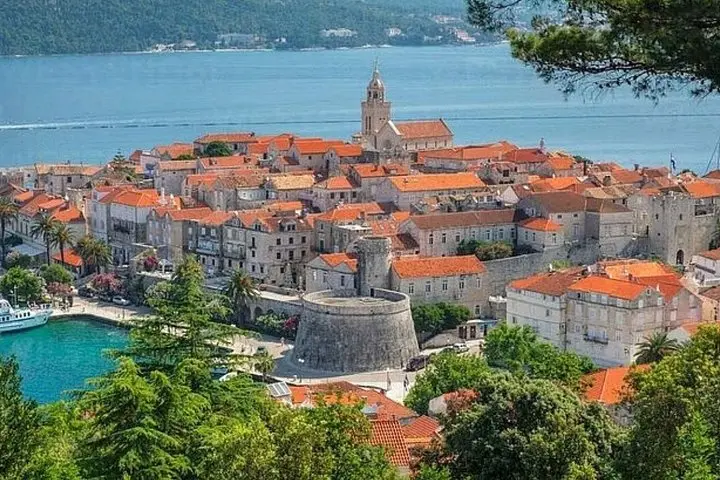
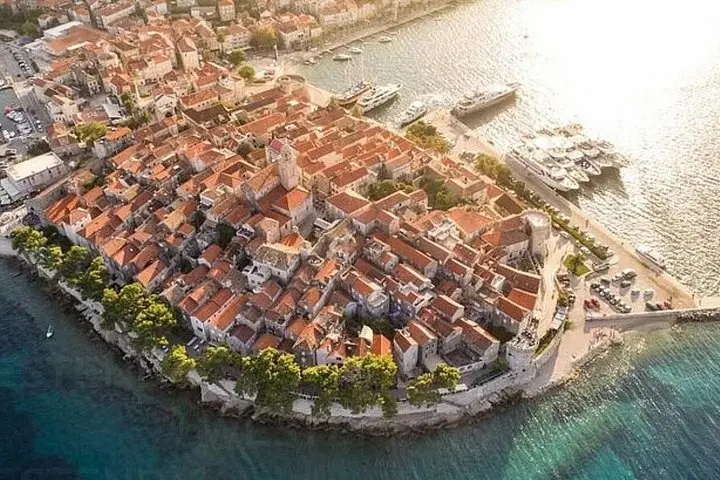
You step out of the air-conditioned van onto the narrow stone alleys of Korčula town, salt and sea air pushing at your jacket, and the Adriatic daring you toward the harbor. The day unfolds as a paced loop: vineyards on Pelješac’s slopes, the oyster farms of Mali Ston, then the medieval streets of Korčula where bell towers cast long shadows and local stories hang in doorways.
Verified experiences and guided adventures in the surrounding area.
Operated by Adria Mice · Korčula, Dubrovnik-Neretva County
You step out of the air-conditioned van onto the narrow stone alleys of Korčula town, salt and sea air pushing at your jacket, and the Adriatic daring you toward the harbor. The day unfolds as a paced loop: vineyards on Pelješac’s slopes, the oyster farms of Mali Ston, then the medieval streets of Korčula where bell towers cast long shadows and local stories hang in doorways.
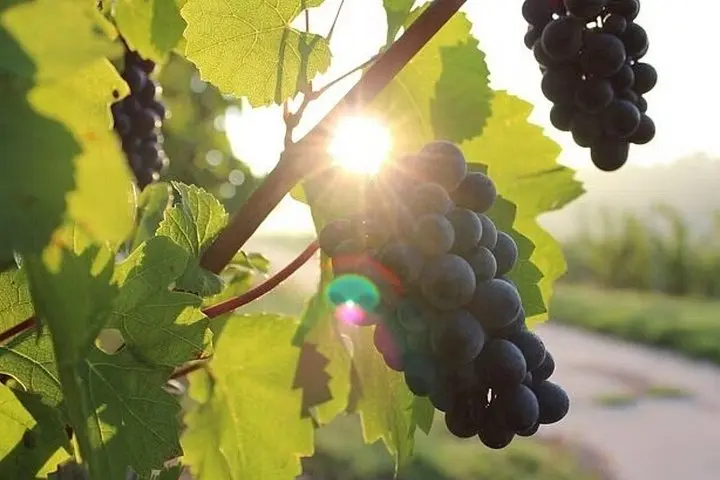
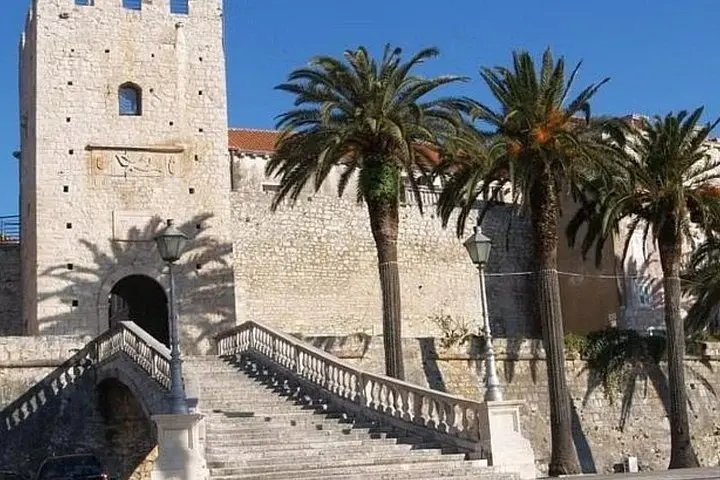
Pelješac is a working landscape of terraces and stone walls shaped by centuries of viticulture; the peninsula’s red soils favor Plavac Mali and the indigenous Dingac. Ston, with its medieval fortifications and still-operating salt pans, recalls Venetian and Ragusan trade routes that anchored this coast. Korčula’s narrow lanes and fortified waterfront reflect layers of Illyrian, Greek and Venetian influence — locals still tell tales linking the island to Marco Polo.
Expect a mix of short vineyard walks, seated tastings, and brief harbor-side stops. Terrain is paved village streets and gravel vineyard tracks with minimal elevation but uneven surfaces; bring sensible footwear. Timing matters: mornings are cooler for seaside stops, afternoons are best for leisurely cellar visits. Hydrate between tastings and plan for a full-day schedule — transfers and ferries are included but independent walking distances vary.
Practical: confirm pickup point in Dubrovnik, notify hosts of dietary needs, and carry local currency for small purchases. The trip pairs cultural history with hands-on tasting, offering an accessible full-day introduction to southern Dalmatia’s flavors and landscapes.
Pick-up and drop-off are arranged in Dubrovnik; confirm your exact pickup point when booking and the driver’s contact the day before.
Wine tastings at one winery are included; additional food or extra tastings are typically pay-on-site — check your operator’s itinerary for specifics.
Yes, the tour notes that infants and small children are accommodated with stroller access and available infant seats; children may not participate in alcohol tastings.
Yes — the itinerary includes road transfers across the Pelješac peninsula and a short ferry/boat link to Korčula; travel time is built into the day’s schedule.
Adria Mice operates guided outdoor trips and adventures with an emphasis on safety, stewardship, and memorable experiences.
You step out of the air-conditioned van onto the narrow stone alleys of Korčula town, salt and sea air pushing at your jacket, and the Adriatic daring you toward the harbor. The day unfolds as a paced loop: vineyards on Pelješac’s slopes, the oyster farms of Mali Ston, then the medieval streets of Korčula where bell towers cast long shadows and local stories hang in doorways.
You step out of the air-conditioned van onto the narrow stone alleys of Korčula town, salt and sea air pushing at your jacket, and the Adriatic daring you toward the harbor. The day unfolds as a paced loop: vineyards on Pelješac’s slopes, the oyster farms of Mali Ston, then the medieval streets of Korčula where bell towers cast long shadows and local stories hang in doorways.
Pelješac is a working landscape of terraces and stone walls shaped by centuries of viticulture; the peninsula’s red soils favor Plavac Mali and the indigenous Dingac. Ston, with its medieval fortifications and still-operating salt pans, recalls Venetian and Ragusan trade routes that anchored this coast. Korčula’s narrow lanes and fortified waterfront reflect layers of Illyrian, Greek and Venetian influence — locals still tell tales linking the island to Marco Polo.
Expect a mix of short vineyard walks, seated tastings, and brief harbor-side stops. Terrain is paved village streets and gravel vineyard tracks with minimal elevation but uneven surfaces; bring sensible footwear. Timing matters: mornings are cooler for seaside stops, afternoons are best for leisurely cellar visits. Hydrate between tastings and plan for a full-day schedule — transfers and ferries are included but independent walking distances vary.
Practical: confirm pickup point in Dubrovnik, notify hosts of dietary needs, and carry local currency for small purchases. The trip pairs cultural history with hands-on tasting, offering an accessible full-day introduction to southern Dalmatia’s flavors and landscapes.