THE ADVENTURE COLLECTIVE® · Independent discovery and booking for outdoor travel

Paddle secluded channels around Korčula, snorkel crystalline Adriatic water, and step ashore at medieval islets for local sea urchin tasting and a light lunch. This private, five-hour tour blends calm coastal paddling with short walks and marine life viewing.
Paddle secluded channels around Korčula, snorkel crystalline Adriatic water, and step ashore at medieval islets for local sea urchin tasting and a light lunch. This private, five-hour tour blends calm coastal paddling with short walks and marine life viewing.
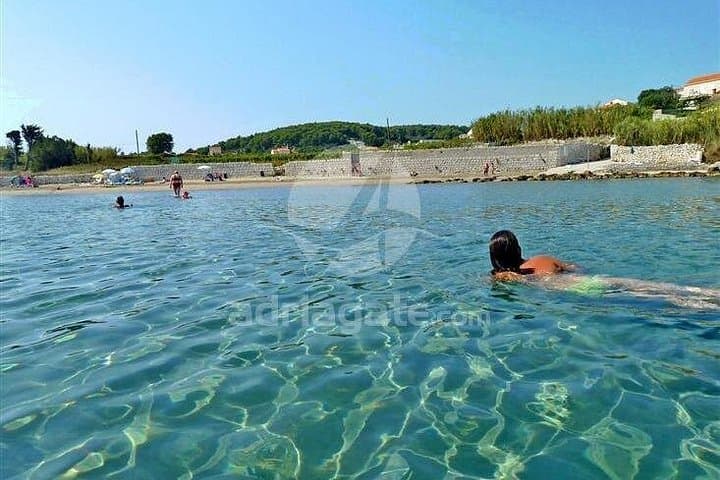
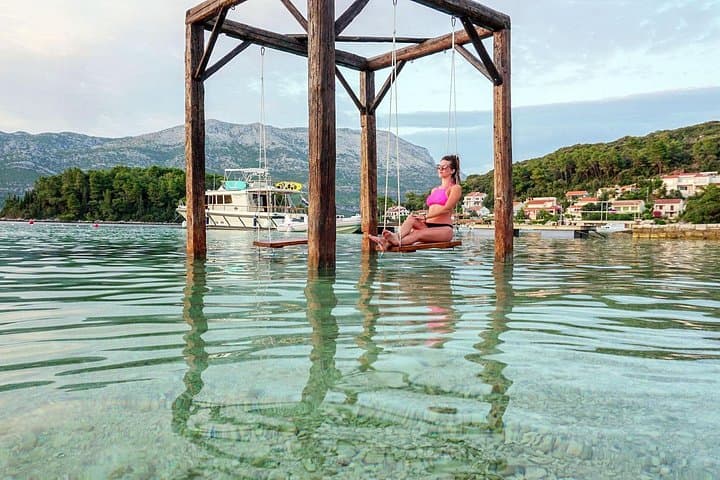
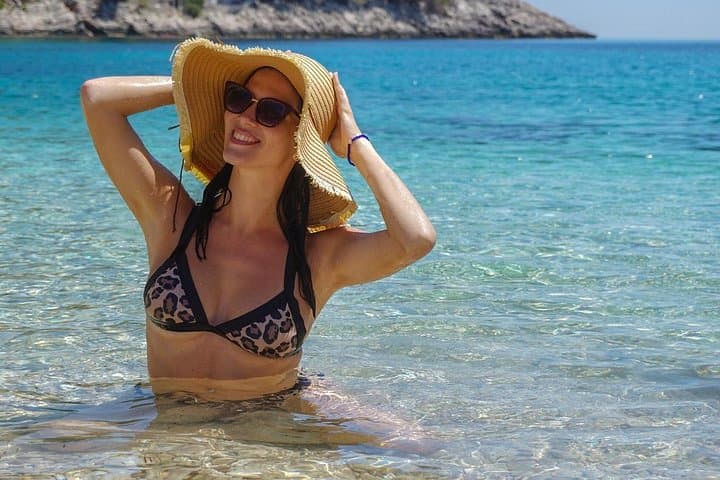
A morning on the sea off Korčula begins with the faint slap of paddles and a wind that seems to hurry you toward the open coast. From a small cove near Lumbarda the group slips into twin sea kayaks and follows a skipper who reads the channels like a map; limestone cliffs and low, scrubby maquis pass close enough to hear the gulls. The route takes paddlers to Vrnik and Planjak islets — stony outcrops crowned by centuries-old churches — and into clear water where visibility often exceeds 10–15 meters.
Verified experiences and guided adventures in the surrounding area.
Operated by Korcula Adventures · Korčula, Dubrovnik-Neretva County
A morning on the sea off Korčula begins with the faint slap of paddles and a wind that seems to hurry you toward the open coast. From a small cove near Lumbarda the group slips into twin sea kayaks and follows a skipper who reads the channels like a map; limestone cliffs and low, scrubby maquis pass close enough to hear the gulls. The route takes paddlers to Vrnik and Planjak islets — stony outcrops crowned by centuries-old churches — and into clear water where visibility often exceeds 10–15 meters.
Geology here is Adriatic karst: wave-sculpted rock, exposed quarries, and shallow reefs that host crabs, octopus and dense schools of fish. Vrnik and Badija carry visible traces of medieval monastic life — simple stone churches and small quarries once worked by islanders — giving the paddling route a cultural frame beyond the sea. Local guides emphasize small-scale practices: sampling freshly harvested sea urchin and a light lunch reinforces a connection to island foodways.
Practically, expect about five hours from transfer to return, with two planned snorkeling swims. The tour suits paddlers with a moderate fitness level and basic stroke control; life vests and waterproof barrels are provided. Hydrate before launch, apply reef-safe sunscreen, and bring a light wind layer for the return leg when the afternoon breeze can pick up. Shoes that dry quickly help for short on-shore explorations of the islets. Timing mid-morning avoids the strongest sun and typically finds calmer sea conditions, improving both paddling and visibility for snorkeling.
Round transfer from select Korčula-area hotels to the Lumbarda launch point is included as stated in the tour inclusions.
No advanced experience is required, but participants should have basic paddling ability and moderate fitness; guides provide a safety briefing and route guidance.
Yes — snorkeling gear and a light lunch are included, along with bottled water and fruit during the tour.
Yes — the minimum age is six, but children must be accompanied by an adult and meet the fitness and safety requirements.
Korcula Adventures operates guided outdoor trips and adventures with an emphasis on safety, stewardship, and memorable experiences.
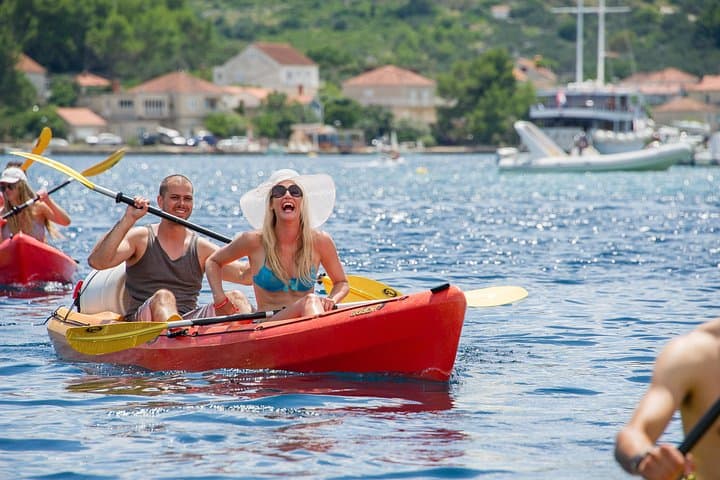
A morning on the sea off Korčula begins with the faint slap of paddles and a wind that seems to hurry you toward the open coast. From a small cove near Lumbarda the group slips into twin sea kayaks and follows a skipper who reads the channels like a map; limestone cliffs and low, scrubby maquis pass close enough to hear the gulls. The route takes paddlers to Vrnik and Planjak islets — stony outcrops crowned by centuries-old churches — and into clear water where visibility often exceeds 10–15 meters.
A morning on the sea off Korčula begins with the faint slap of paddles and a wind that seems to hurry you toward the open coast. From a small cove near Lumbarda the group slips into twin sea kayaks and follows a skipper who reads the channels like a map; limestone cliffs and low, scrubby maquis pass close enough to hear the gulls. The route takes paddlers to Vrnik and Planjak islets — stony outcrops crowned by centuries-old churches — and into clear water where visibility often exceeds 10–15 meters.
Geology here is Adriatic karst: wave-sculpted rock, exposed quarries, and shallow reefs that host crabs, octopus and dense schools of fish. Vrnik and Badija carry visible traces of medieval monastic life — simple stone churches and small quarries once worked by islanders — giving the paddling route a cultural frame beyond the sea. Local guides emphasize small-scale practices: sampling freshly harvested sea urchin and a light lunch reinforces a connection to island foodways.
Practically, expect about five hours from transfer to return, with two planned snorkeling swims. The tour suits paddlers with a moderate fitness level and basic stroke control; life vests and waterproof barrels are provided. Hydrate before launch, apply reef-safe sunscreen, and bring a light wind layer for the return leg when the afternoon breeze can pick up. Shoes that dry quickly help for short on-shore explorations of the islets. Timing mid-morning avoids the strongest sun and typically finds calmer sea conditions, improving both paddling and visibility for snorkeling.