THE ADVENTURE COLLECTIVE® · Independent discovery and booking for outdoor travel

A six‑day introduction to South Korea that pairs Seoul’s historic palaces and markets with a day in Seoraksan National Park. Perfect for travelers who want compact cultural immersion plus accessible mountain scenery.
A six‑day introduction to South Korea that pairs Seoul’s historic palaces and markets with a day in Seoraksan National Park. Perfect for travelers who want compact cultural immersion plus accessible mountain scenery.
The bus eases out of Incheon into a bright grid of glass and hanok roofs; Seoul’s morning hum gives way to mountain air as the itinerary pushes east toward Seoraksan. On day two the granite ridges loom, cliffs daring you to look up, while temple bells filter down the trails like a slow metronome.
Verified experiences and guided adventures in the surrounding area.
Operated by Korea DMC Tour · Seoul, Seoul
The bus eases out of Incheon into a bright grid of glass and hanok roofs; Seoul’s morning hum gives way to mountain air as the itinerary pushes east toward Seoraksan. On day two the granite ridges loom, cliffs daring you to look up, while temple bells filter down the trails like a slow metronome.
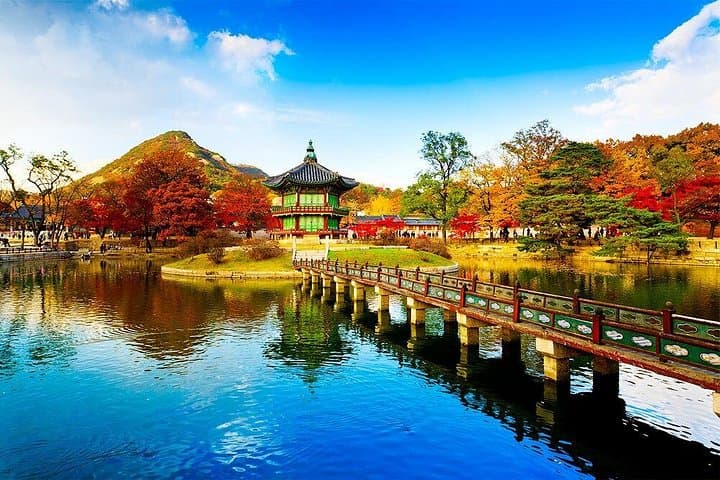
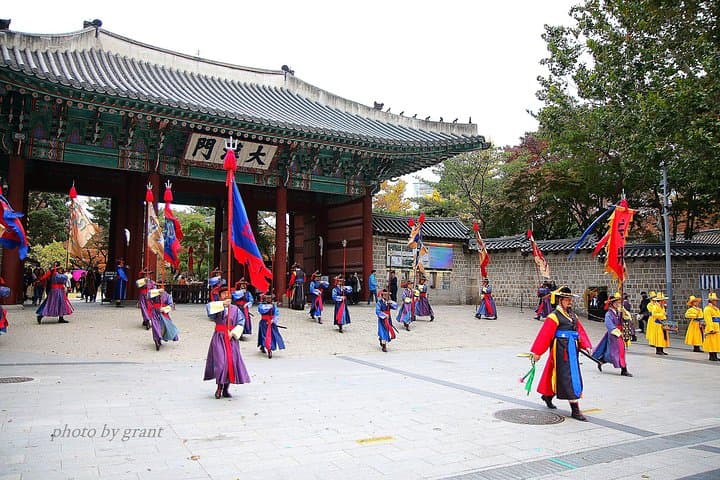
This six‑day loop stitches modern Seoul with the peninsula’s long past — Joseon palaces and Confucian villages sit beside postwar skyscrapers, and Seoraksan’s geology tells a colder story of uplifted granite and ice‑polished valleys. Visitors move through living culture: kimchi classes, hanbok photos, and market alleys where neon meets fermented spice.
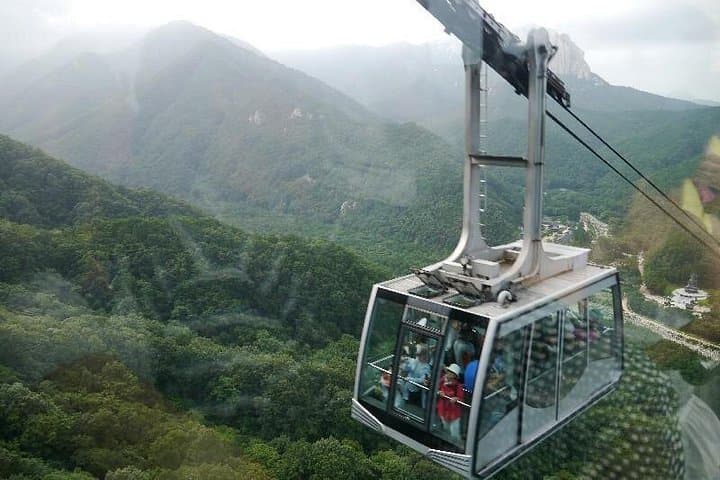
Expect a balance of easy urban walking and light alpine travel: a cable car to Gwongeumseong, short temple walks to Sinheungsa, and optional trails that showcase waterfalls and Ulsanbawi rock. Local guides share context — from Goryeo fortifications scattered on mountain slopes to the coastal fisheries at Daepohang — helping travelers read landscape and custom together.
Practical edge: plan daylight for Seoraksan (cable car busiest midday), bring layered clothing for wind on ridge viewpoints, and carry a reusable water bottle for long market strolls. Most transfers are in air‑conditioned vehicles, hotels are centrally located in Seoul, and the pace aims to be comfortable rather than rushed. For travelers who want a first, credible introduction to Korea, this itinerary marries accessible outdoor moments with concentrated cultural experiences, enough to orient and inspire a deeper return.
Yes — the itinerary is designed to be comfortable with hotel stays, short walks, and vehicle transfers; inform the operator of mobility needs for tailored pacing.
Some attractions like the Gwongeumseong cable car and specific site admissions are listed as included in the itinerary; confirm details at booking and bring extra cash for optional fees.
Licensed English‑speaking guides are provided; private tours typically ensure guides fluent in English to explain cultural and historical sites.
Yes — the tour offers breakfast and can accommodate common dietary needs with advance notice; indicate restrictions when booking.
Korea DMC Tour operates guided outdoor trips and adventures with an emphasis on safety, stewardship, and memorable experiences.
The bus eases out of Incheon into a bright grid of glass and hanok roofs; Seoul’s morning hum gives way to mountain air as the itinerary pushes east toward Seoraksan. On day two the granite ridges loom, cliffs daring you to look up, while temple bells filter down the trails like a slow metronome.
The bus eases out of Incheon into a bright grid of glass and hanok roofs; Seoul’s morning hum gives way to mountain air as the itinerary pushes east toward Seoraksan. On day two the granite ridges loom, cliffs daring you to look up, while temple bells filter down the trails like a slow metronome.
This six‑day loop stitches modern Seoul with the peninsula’s long past — Joseon palaces and Confucian villages sit beside postwar skyscrapers, and Seoraksan’s geology tells a colder story of uplifted granite and ice‑polished valleys. Visitors move through living culture: kimchi classes, hanbok photos, and market alleys where neon meets fermented spice.
Expect a balance of easy urban walking and light alpine travel: a cable car to Gwongeumseong, short temple walks to Sinheungsa, and optional trails that showcase waterfalls and Ulsanbawi rock. Local guides share context — from Goryeo fortifications scattered on mountain slopes to the coastal fisheries at Daepohang — helping travelers read landscape and custom together.
Practical edge: plan daylight for Seoraksan (cable car busiest midday), bring layered clothing for wind on ridge viewpoints, and carry a reusable water bottle for long market strolls. Most transfers are in air‑conditioned vehicles, hotels are centrally located in Seoul, and the pace aims to be comfortable rather than rushed. For travelers who want a first, credible introduction to Korea, this itinerary marries accessible outdoor moments with concentrated cultural experiences, enough to orient and inspire a deeper return.