THE ADVENTURE COLLECTIVE® · Independent discovery and booking for outdoor travel

A private, expert-led day tour to the DMZ that visits Imjingak, the 3rd Infiltration Tunnel, Dora Observatory and Tongilchon. Expect security checks, short walks and close-up views into North Korea with veteran guides who explain the history and local life at the border.
A private, expert-led day tour to the DMZ that visits Imjingak, the 3rd Infiltration Tunnel, Dora Observatory and Tongilchon. Expect security checks, short walks and close-up views into North Korea with veteran guides who explain the history and local life at the border.
You step out at Imjingak Pyeonghwa Nuri Park and the wind off the Imjin River seems to be testing your resolve — flat fields give way to low ridges and the strip of no-man's-land where silence does much of the talking.
Verified experiences and guided adventures in the surrounding area.
Operated by DMZ Tour by Expert · Paju, Gyeonggi-do
You step out at Imjingak Pyeonghwa Nuri Park and the wind off the Imjin River seems to be testing your resolve — flat fields give way to low ridges and the strip of no-man's-land where silence does much of the talking.
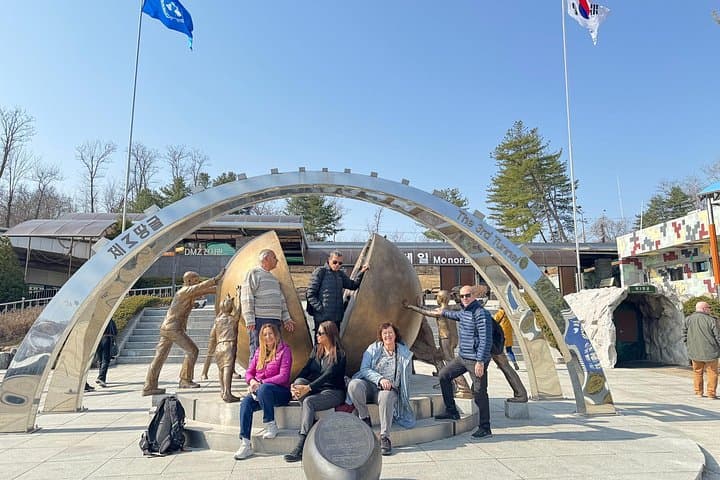
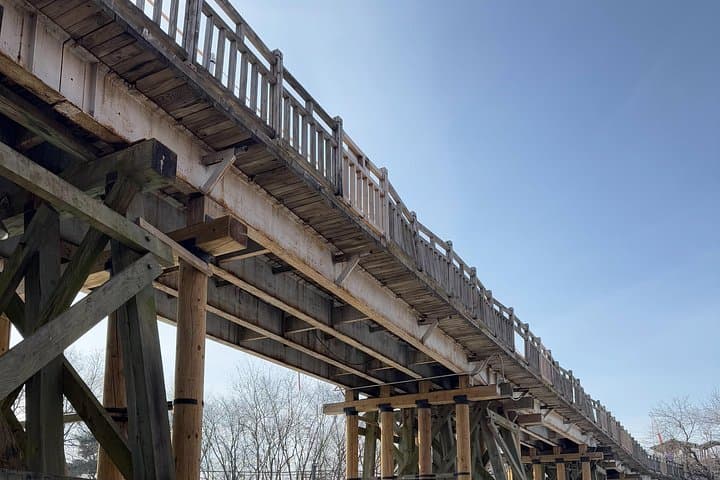
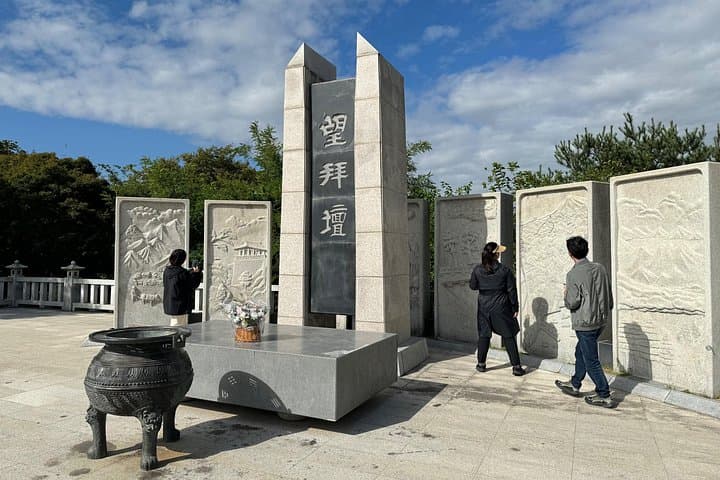
This private DMZ tour threads modern history into a measured itinerary: the Freedom Bridge and Mangbaedan altar commemorate families separated by the 1950–53 Korean War; the 3rd Infiltration Tunnel, discovered in 1978, cuts into the hillside and reveals Cold War engineering; Dora Observatory places Gaeseong’s rooftops in binocular focus while Tongilchon (Unification Village) shows daily life at the edge of the Civilian Control Zone.
Geologically the DMZ occupies river plains and modest hills carved by the Imjin and Han rivers, which shaped movement and military lines. Culturally the sites are heavy with memory — memorials, steam locomotive relics at Jangdan, and small museum exhibits that ground geopolitical facts in human stories.
Practical guidance: this is a 6–8 hour private tour with security checkpoints and a required transfer to a Paju-run shuttle per DMZ regulations. Bring a passport, photo ID, and plan for stair descent inside the tunnel and short walks between exhibits. Dress in layers — the wind and open viewpoints can feel much colder than Seoul.
Photography is allowed in many places but restricted in others; follow your guide’s directions. Hydrate and wear sturdy shoes; the day pairs intense historical context with the sober, raw geography of a divided peninsula.
Yes — all visitors must present a valid passport for security checks and shuttle transfers; photocopies are not accepted.
Photography is allowed at many viewpoints but restricted in military areas and inside some exhibits; follow your guide’s instructions and posted signs.
Children can join but expect security rules and tight spaces in the tunnel; the tour involves stairs and walking, so it’s not recommended for those with severe mobility limitations.
Not recommended for travelers with serious heart conditions, recent spinal injuries, or pregnancy due to confined spaces and moderate physical activity.
DMZ Tour by Expert operates guided outdoor trips and adventures with an emphasis on safety, stewardship, and memorable experiences.

You step out at Imjingak Pyeonghwa Nuri Park and the wind off the Imjin River seems to be testing your resolve — flat fields give way to low ridges and the strip of no-man's-land where silence does much of the talking.
You step out at Imjingak Pyeonghwa Nuri Park and the wind off the Imjin River seems to be testing your resolve — flat fields give way to low ridges and the strip of no-man's-land where silence does much of the talking.
This private DMZ tour threads modern history into a measured itinerary: the Freedom Bridge and Mangbaedan altar commemorate families separated by the 1950–53 Korean War; the 3rd Infiltration Tunnel, discovered in 1978, cuts into the hillside and reveals Cold War engineering; Dora Observatory places Gaeseong’s rooftops in binocular focus while Tongilchon (Unification Village) shows daily life at the edge of the Civilian Control Zone.
Geologically the DMZ occupies river plains and modest hills carved by the Imjin and Han rivers, which shaped movement and military lines. Culturally the sites are heavy with memory — memorials, steam locomotive relics at Jangdan, and small museum exhibits that ground geopolitical facts in human stories.
Practical guidance: this is a 6–8 hour private tour with security checkpoints and a required transfer to a Paju-run shuttle per DMZ regulations. Bring a passport, photo ID, and plan for stair descent inside the tunnel and short walks between exhibits. Dress in layers — the wind and open viewpoints can feel much colder than Seoul.
Photography is allowed in many places but restricted in others; follow your guide’s directions. Hydrate and wear sturdy shoes; the day pairs intense historical context with the sober, raw geography of a divided peninsula.