THE ADVENTURE COLLECTIVE® · Independent discovery and booking for outdoor travel

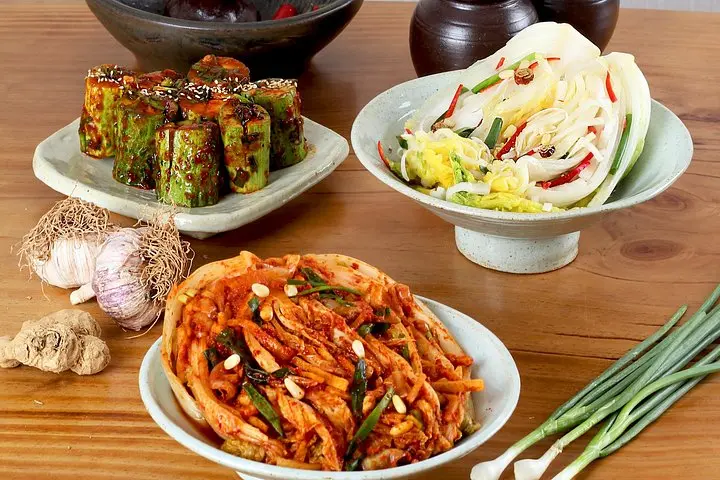
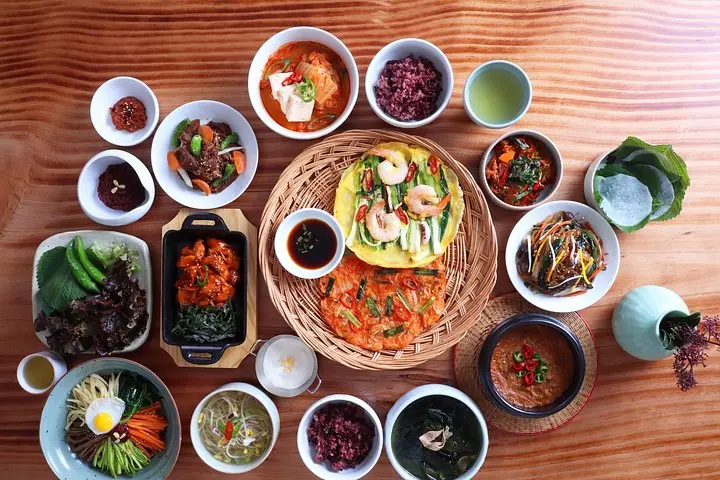
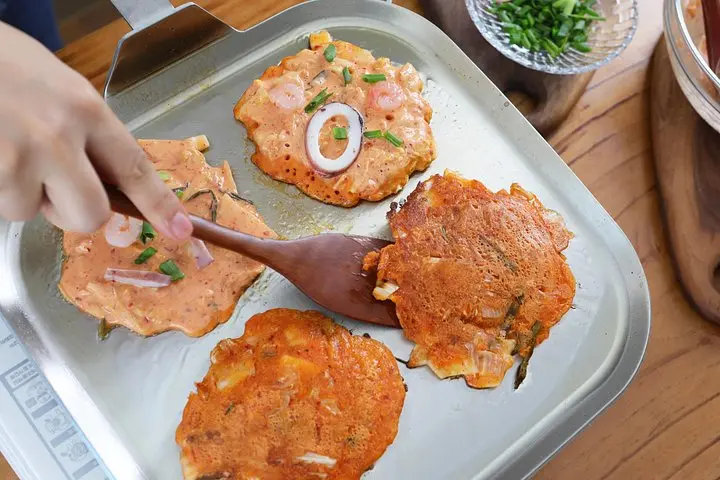
Join a market walk and hands-on cooking class with Kimchi expert Minseon in Seoul’s Gyeongdong Market. Learn seasonal kimchi, Korean banchan and a main dish in a 3–4 hour session that blends market lore with practical technique.
Join a market walk and hands-on cooking class with Kimchi expert Minseon in Seoul’s Gyeongdong Market. Learn seasonal kimchi, Korean banchan and a main dish in a 3–4 hour session that blends market lore with practical technique.
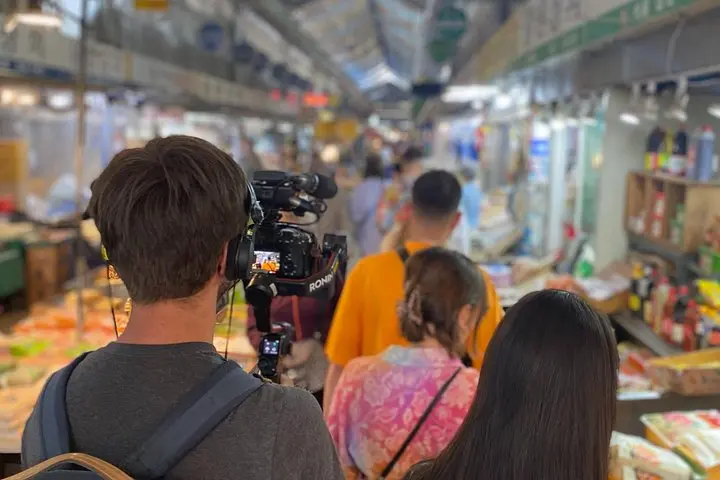
You step off a narrow street into a corridor of stacked jars and bundled roots—the Gyeongdong market hums with the scent of dried herbs and fermenting chilies. Chef Minseon guides the group through crates of napa, glistening gochugaru and rows of jang, pointing out how seasonality shapes each kimchi’s character.
Verified experiences and guided adventures in the surrounding area.
Operated by OME COOKING LAB · Seoul, Seoul
You step off a narrow street into a corridor of stacked jars and bundled roots—the Gyeongdong market hums with the scent of dried herbs and fermenting chilies. Chef Minseon guides the group through crates of napa, glistening gochugaru and rows of jang, pointing out how seasonality shapes each kimchi’s character.
The market itself is a living archive: established as one of Seoul’s largest ingredient markets, it has long supplied apothecaries and home cooks with ginseng, medicinal herbs and winter staples. Seoul’s topography—granite ridges cradling the Han River—shaped trade routes that funneled goods into markets like Gyeongdong; the city’s food culture evolved around preservation, fermentation and bold condiments.
The class combines a casual market walk (about an hour of slow walking) with hands-on cooking in a compact teaching kitchen. Expect to learn the logic of Korean banchan, make kimchi and a main dish from seasonal produce, and share the meal you helped prepare. Minseon’s approach ties technique to culture: why salt is measured by feel, how jang develops umami over time, and what seasonal kimchi meant for winter survival.
Practical notes: the session lasts roughly 3–4 hours and includes snacks or a full meal depending on timing. Wear comfortable shoes for market alleys, bring a jacket for cooler months, and flag dietary needs when booking—the chef offers vegan and halal options. Arrive with questions and an appetite; this is a learning kitchen as much as a tasting.
Yes—vegan and halal options are explicitly offered; indicate your preference when booking so the chef can prepare appropriate ingredients.
Children under 6 are generally not permitted for safety; one child per class may participate subject to safety rules, and guests over 14 are charged as adults.
The total experience is about 3–4 hours: roughly a 1-hour slow market walk followed by 2–3 hours of hands-on cooking and shared eating.
Full refunds are available if you cancel at least 24 hours before the scheduled start; cancellations within 24 hours are not refundable.
OME COOKING LAB operates guided outdoor trips and adventures with an emphasis on safety, stewardship, and memorable experiences.
You step off a narrow street into a corridor of stacked jars and bundled roots—the Gyeongdong market hums with the scent of dried herbs and fermenting chilies. Chef Minseon guides the group through crates of napa, glistening gochugaru and rows of jang, pointing out how seasonality shapes each kimchi’s character.
You step off a narrow street into a corridor of stacked jars and bundled roots—the Gyeongdong market hums with the scent of dried herbs and fermenting chilies. Chef Minseon guides the group through crates of napa, glistening gochugaru and rows of jang, pointing out how seasonality shapes each kimchi’s character.
The market itself is a living archive: established as one of Seoul’s largest ingredient markets, it has long supplied apothecaries and home cooks with ginseng, medicinal herbs and winter staples. Seoul’s topography—granite ridges cradling the Han River—shaped trade routes that funneled goods into markets like Gyeongdong; the city’s food culture evolved around preservation, fermentation and bold condiments.
The class combines a casual market walk (about an hour of slow walking) with hands-on cooking in a compact teaching kitchen. Expect to learn the logic of Korean banchan, make kimchi and a main dish from seasonal produce, and share the meal you helped prepare. Minseon’s approach ties technique to culture: why salt is measured by feel, how jang develops umami over time, and what seasonal kimchi meant for winter survival.
Practical notes: the session lasts roughly 3–4 hours and includes snacks or a full meal depending on timing. Wear comfortable shoes for market alleys, bring a jacket for cooler months, and flag dietary needs when booking—the chef offers vegan and halal options. Arrive with questions and an appetite; this is a learning kitchen as much as a tasting.