THE ADVENTURE COLLECTIVE® · Independent discovery and booking for outdoor travel

Learn the stories behind makgeolli and soju, then create your own Korean-style cocktail using fresh market ingredients. This two-hour, hands-on class blends tasting, technique, and cultural context in a cozy Seoul bar.
Learn the stories behind makgeolli and soju, then create your own Korean-style cocktail using fresh market ingredients. This two-hour, hands-on class blends tasting, technique, and cultural context in a cozy Seoul bar.
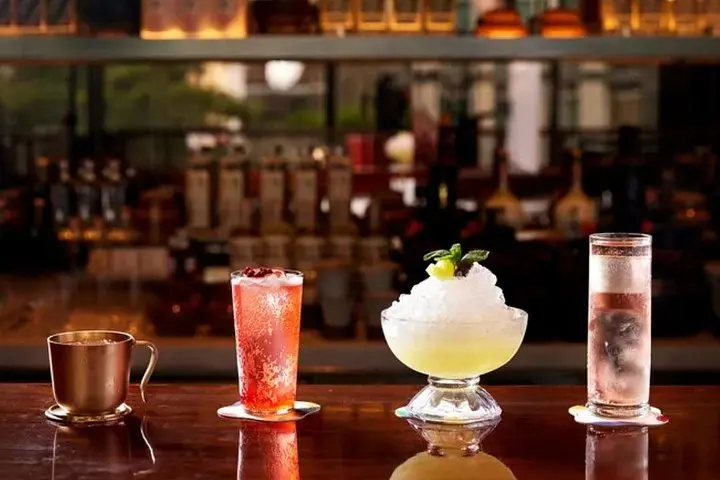
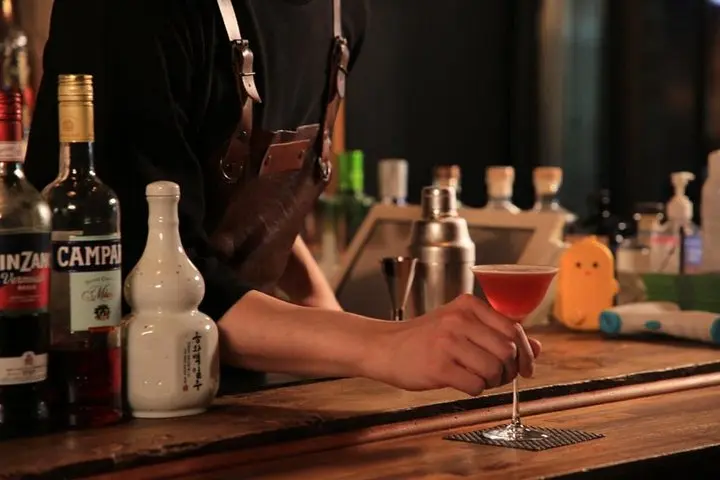
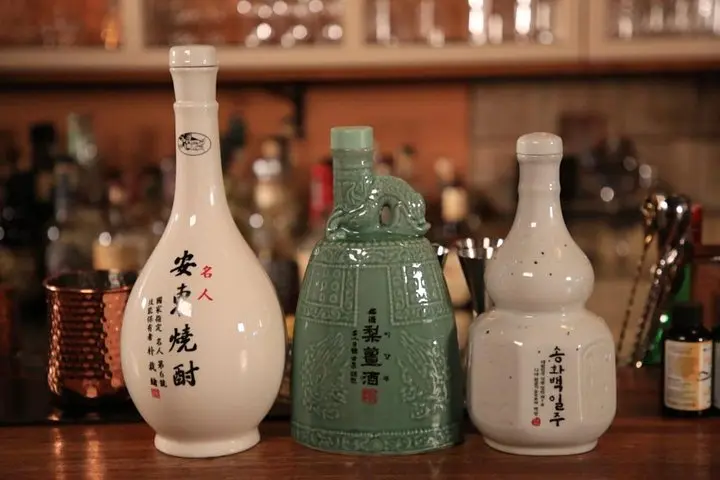
Step into a low-lit Seoul bar where the hum of conversation mixes with the citrus tang of yuzu and the soft fizz of makgeolli. The room feels like a neighborhood secret: wooden counters, shelves of earthenware flasks, and seasonal fruit piled for tasting. In two hours you move from guided sips to hands-on shaking, learning how ancient Korean spirits meet modern bartending.
Verified experiences and guided adventures in the surrounding area.
Operated by Seoul’s Hidden Bar: Traditional Cocktail Making · Seoul, Seoul
Step into a low-lit Seoul bar where the hum of conversation mixes with the citrus tang of yuzu and the soft fizz of makgeolli. The room feels like a neighborhood secret: wooden counters, shelves of earthenware flasks, and seasonal fruit piled for tasting. In two hours you move from guided sips to hands-on shaking, learning how ancient Korean spirits meet modern bartending.
The class traces Korea’s drinking lineage — from farmhouse makgeolli and distilled soju to medicinal herbal wines — and explains how those flavors map onto regions and seasons. Seoul sits on the Han River plain beneath low granite ridges; ingredients here arrive by way of nearby markets and mountainous provinces, carrying terroir from barley fields, citrus groves, and jang-refined distilleries.
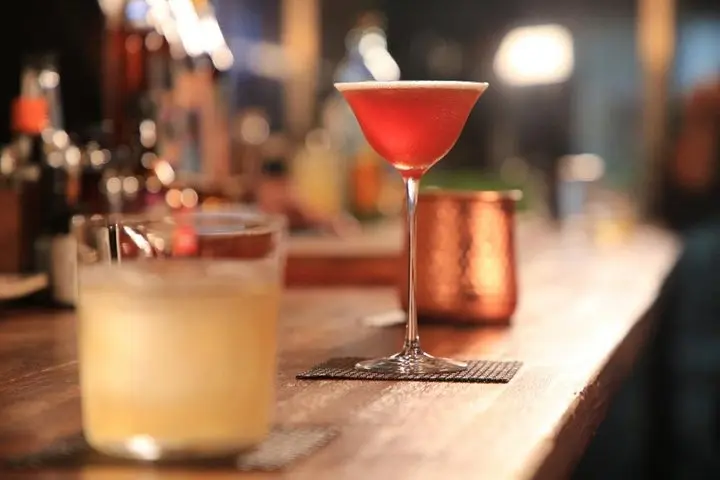
You’ll taste curated pours, watch demonstrations, then craft a signature Korean-style cocktail using local elements like mugwort, omija, plum, and yuzu. The instructor explains cultural etiquette — rounds, toasts, and the role of drinking in celebrations and daily life — while offering technique tips on muddling, balancing acidity, and pairing spirits.
Practical guidance: book early for evening slots, bring ID, and plan light transport afterward; classes are intimate and often private. Expect to leave with a recipe card, photos, and an improved palate for Asian spirits. This experience is part tasting, part cultural primer, ideal for travelers who want to understand Korea’s drinking culture beyond the bar stool.
No — the class is designed for beginners and focuses on tasting, cultural context, and basic mixing techniques.
Vegetarian and non-drinking participants should notify the host; some elements involve alcohol but non-alcoholic substitutions or tastings may be possible.
This offering is presented as a private or small-group class; booking confirms your slot and keeps groups intimate for hands-on instruction.
Yes — instructors emphasize seasonal, market-sourced ingredients like yuzu, plum, and mugwort to highlight regional flavors.
Seoul’s Hidden Bar: Traditional Cocktail Making operates guided outdoor trips and adventures with an emphasis on safety, stewardship, and memorable experiences.
Step into a low-lit Seoul bar where the hum of conversation mixes with the citrus tang of yuzu and the soft fizz of makgeolli. The room feels like a neighborhood secret: wooden counters, shelves of earthenware flasks, and seasonal fruit piled for tasting. In two hours you move from guided sips to hands-on shaking, learning how ancient Korean spirits meet modern bartending.
Step into a low-lit Seoul bar where the hum of conversation mixes with the citrus tang of yuzu and the soft fizz of makgeolli. The room feels like a neighborhood secret: wooden counters, shelves of earthenware flasks, and seasonal fruit piled for tasting. In two hours you move from guided sips to hands-on shaking, learning how ancient Korean spirits meet modern bartending.
The class traces Korea’s drinking lineage — from farmhouse makgeolli and distilled soju to medicinal herbal wines — and explains how those flavors map onto regions and seasons. Seoul sits on the Han River plain beneath low granite ridges; ingredients here arrive by way of nearby markets and mountainous provinces, carrying terroir from barley fields, citrus groves, and jang-refined distilleries.
You’ll taste curated pours, watch demonstrations, then craft a signature Korean-style cocktail using local elements like mugwort, omija, plum, and yuzu. The instructor explains cultural etiquette — rounds, toasts, and the role of drinking in celebrations and daily life — while offering technique tips on muddling, balancing acidity, and pairing spirits.
Practical guidance: book early for evening slots, bring ID, and plan light transport afterward; classes are intimate and often private. Expect to leave with a recipe card, photos, and an improved palate for Asian spirits. This experience is part tasting, part cultural primer, ideal for travelers who want to understand Korea’s drinking culture beyond the bar stool.