THE ADVENTURE COLLECTIVE® · Independent discovery and booking for outdoor travel

A focused private two-hour walk through War Room I–III with a PhD-level guide, uncovering documents and stories missing from standard exhibits. Ideal for travelers who want deeper context on the Korean War, the armistice and the origins of the DMZ.
A focused private two-hour walk through War Room I–III with a PhD-level guide, uncovering documents and stories missing from standard exhibits. Ideal for travelers who want deeper context on the Korean War, the armistice and the origins of the DMZ.
You step through wide glass doors into a cool, hushed hall where metal and muted light keep score of a country’s fracture. Armored hulls sit like sleeping beasts; photographs and brittle documents line long cases. For two hours a single group moves through War Room I–III with a guide whose research has chased the margins of official narrative, pointing out documents and stories often left out of the public galleries.
Verified experiences and guided adventures in the surrounding area.
Operated by 강원피스투어 · Seoul, Seoul
You step through wide glass doors into a cool, hushed hall where metal and muted light keep score of a country’s fracture. Armored hulls sit like sleeping beasts; photographs and brittle documents line long cases. For two hours a single group moves through War Room I–III with a guide whose research has chased the margins of official narrative, pointing out documents and stories often left out of the public galleries.
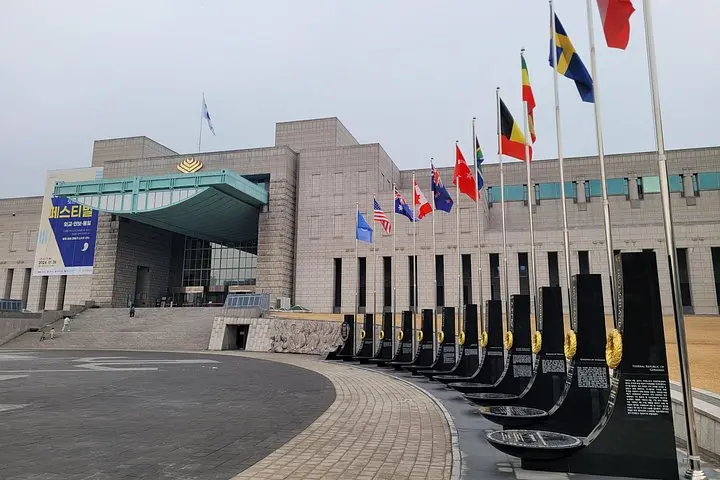
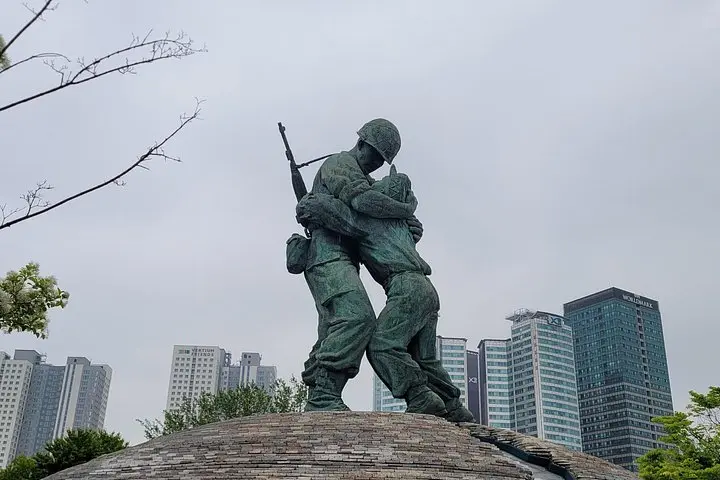
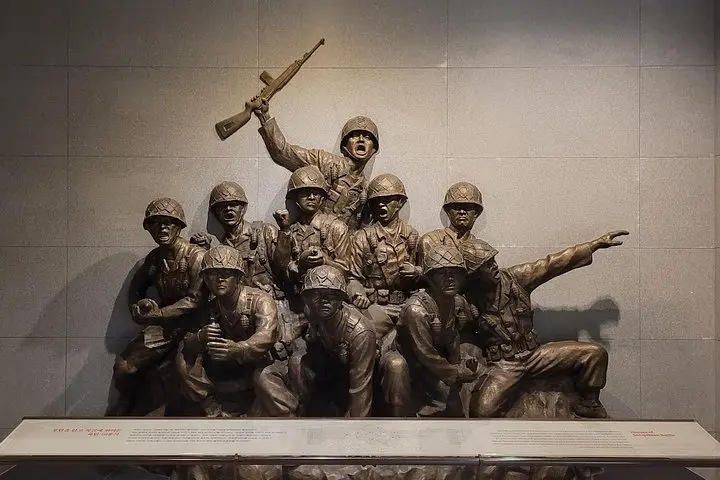
The guided tour maps the birth of two Koreas after 1945, the political and social currents that fed the 1950–53 conflict, and the armistice that created the DMZ—a border that still shapes politics and everyday life. The museum opened in the 1990s and combines large outdoor exhibits—tanks, aircraft and artillery—with curated indoor rooms that trace colonial rule, occupation, civil and international phases of the war.
Expect a mix of archival materials, photo copies and primary-source commentary supplied by the guide; the private format means questions and detours are part of the itinerary. The route is mainly accessible but involves walking between wide galleries and some outdoor displays on paved surfaces.
Practical guidance: reserve the private two-hour slot in advance, allow time to arrive via Samgakji Station or a short taxi, and bring a transit card and comfortable shoes. Photography policies vary by exhibit—follow the guide’s directions. If you want context on the DMZ or peace activism, ask for the guide’s recommended readings and copies of documents they provide—these make the tour more than a museum visit and turn it into a focused primer on modern Korean history.
Yes — the booking covers guide fees and associated tour charges; the operator provides complementary materials as part of the two-hour private tour.
The War Memorial and this tour offer wheelchair-accessible routes and stroller access; notify the operator of special requirements when booking.
Yes — infants and small children can attend (stroller accessible), but the subject matter is historical and may be intense for very young kids.
Photography policies vary by exhibit and some archival items are off-limits; follow your guide’s instructions to avoid damaging sensitive materials.
강원피스투어 operates guided outdoor trips and adventures with an emphasis on safety, stewardship, and memorable experiences.
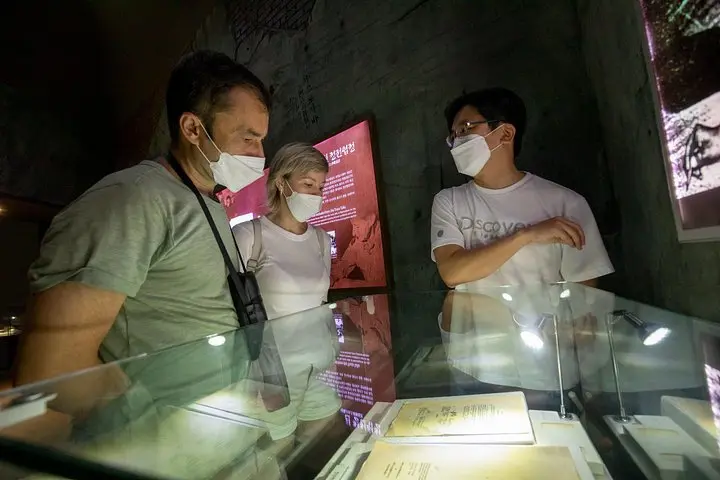
You step through wide glass doors into a cool, hushed hall where metal and muted light keep score of a country’s fracture. Armored hulls sit like sleeping beasts; photographs and brittle documents line long cases. For two hours a single group moves through War Room I–III with a guide whose research has chased the margins of official narrative, pointing out documents and stories often left out of the public galleries.
You step through wide glass doors into a cool, hushed hall where metal and muted light keep score of a country’s fracture. Armored hulls sit like sleeping beasts; photographs and brittle documents line long cases. For two hours a single group moves through War Room I–III with a guide whose research has chased the margins of official narrative, pointing out documents and stories often left out of the public galleries.
The guided tour maps the birth of two Koreas after 1945, the political and social currents that fed the 1950–53 conflict, and the armistice that created the DMZ—a border that still shapes politics and everyday life. The museum opened in the 1990s and combines large outdoor exhibits—tanks, aircraft and artillery—with curated indoor rooms that trace colonial rule, occupation, civil and international phases of the war.
Expect a mix of archival materials, photo copies and primary-source commentary supplied by the guide; the private format means questions and detours are part of the itinerary. The route is mainly accessible but involves walking between wide galleries and some outdoor displays on paved surfaces.
Practical guidance: reserve the private two-hour slot in advance, allow time to arrive via Samgakji Station or a short taxi, and bring a transit card and comfortable shoes. Photography policies vary by exhibit—follow the guide’s directions. If you want context on the DMZ or peace activism, ask for the guide’s recommended readings and copies of documents they provide—these make the tour more than a museum visit and turn it into a focused primer on modern Korean history.