THE ADVENTURE COLLECTIVE® · Independent discovery and booking for outdoor travel

Taste five Korean dishes while a local guide threads together the Garment District and Korea Way, illuminating how food, immigration and commerce shaped this compact Manhattan neighborhood. A 2–3 hour walking tour for curious eaters and culture seekers.
Taste five Korean dishes while a local guide threads together the Garment District and Korea Way, illuminating how food, immigration and commerce shaped this compact Manhattan neighborhood. A 2–3 hour walking tour for curious eaters and culture seekers.
The walk opens on a busy Midtown sidewalk; the Garment Worker statue watches over the first group as the city noise folds into chatter and the scent of sesame oil and grilled meat. You move from the fashion avenues into Korea Way, where 32nd Street channels neon signs, sizzling grills and quick conversations between servers and regulars. The tour feels like a local reconnaissance: bites punctuate short history stops, and the street itself acts as guide.
Verified experiences and guided adventures in the surrounding area.
Operated by New York City on a plate · New York, NY
The walk opens on a busy Midtown sidewalk; the Garment Worker statue watches over the first group as the city noise folds into chatter and the scent of sesame oil and grilled meat. You move from the fashion avenues into Korea Way, where 32nd Street channels neon signs, sizzling grills and quick conversations between servers and regulars. The tour feels like a local reconnaissance: bites punctuate short history stops, and the street itself acts as guide.
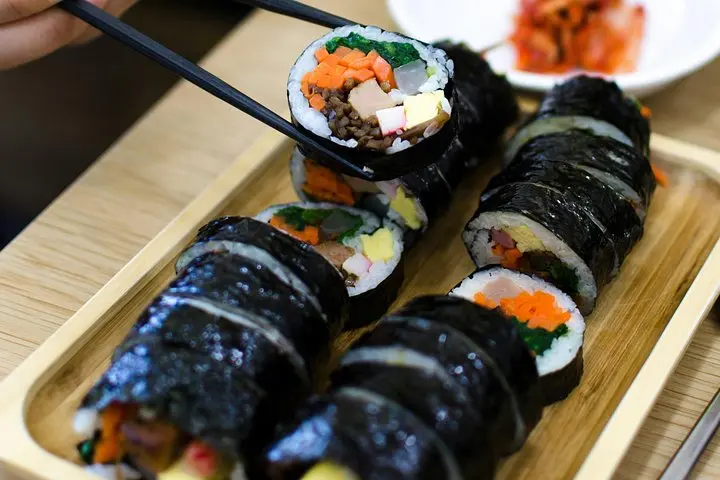
Koreatown sits on the southern edge of Manhattan’s Garment District, a neighborhood shaped by waves of immigrant labor, textiles and small businesses since the late 19th century. The geology beneath the pavement is typical Manhattan schist; here the story is human — factories, restaurants and late-night markets carving out a dense cultural fabric. Expect to learn how Korean cuisine adapted to New York rhythms: quick-service mandu, BBQ, fusion bakeries and modern cafes coexisting in a few blocks.
Practically, the route covers roughly 1–1.5 miles of mostly flat city sidewalks with frequent stops and standing tastings. Bring comfortable shoes and a light jacket for gusty avenues. Hydrate between savory bites and flag allergies to your guide before samples are served. Public transit drops you nearby; the meeting point is easy to find and the group size keeps conversation lively.
This is urban exploration with a culinary lens — the reward is five thoughtful tastings, neighborhood context and a sense of how food keeps a community moving.
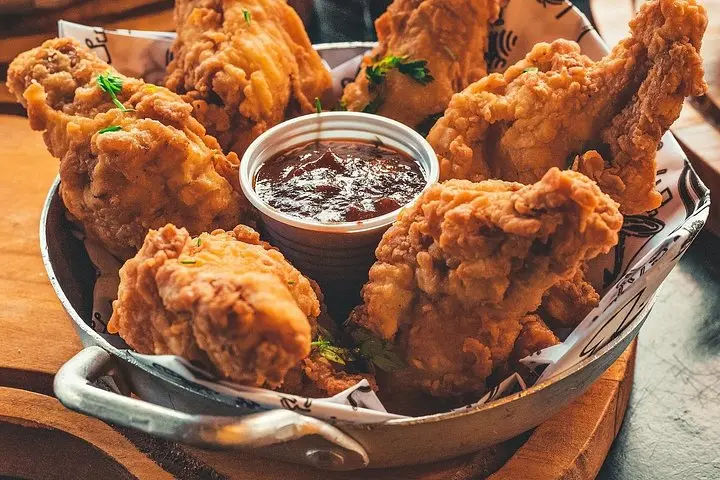
The tour includes four savory tastings and one dessert plus bottled water; alcoholic drinks are usually not included but guides can recommend nearby bars.
The route uses city sidewalks and most stops are accessible, but check with the operator about specific mobility needs before booking.
Yes — strollers are allowed and infants may sit on laps; the pace is family-friendly though portions are tasting-sized.
Provide dietary requirements when booking and remind the guide on arrival; accommodations may be possible but are not guaranteed for all restrictions.
New York City on a plate operates guided outdoor trips and adventures with an emphasis on safety, stewardship, and memorable experiences.
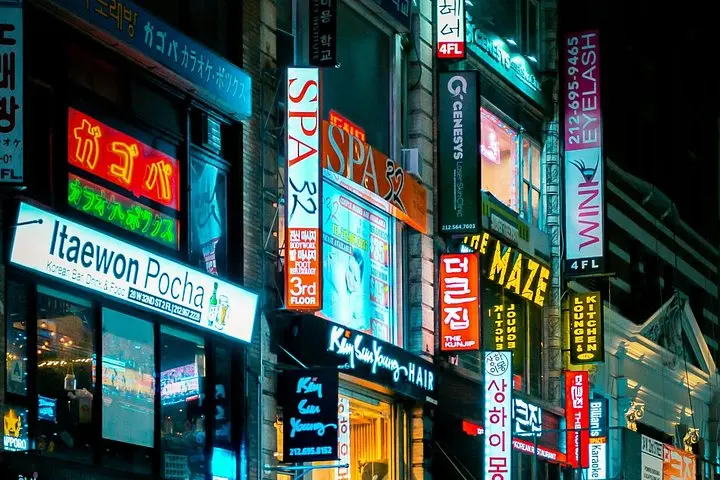
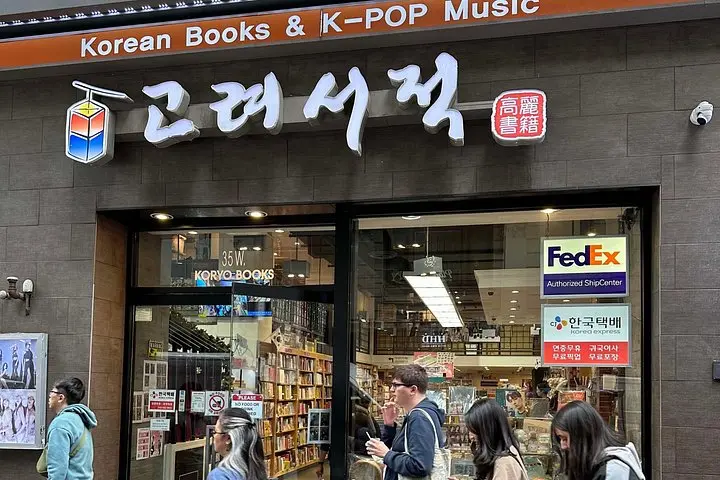
The walk opens on a busy Midtown sidewalk; the Garment Worker statue watches over the first group as the city noise folds into chatter and the scent of sesame oil and grilled meat. You move from the fashion avenues into Korea Way, where 32nd Street channels neon signs, sizzling grills and quick conversations between servers and regulars. The tour feels like a local reconnaissance: bites punctuate short history stops, and the street itself acts as guide.
The walk opens on a busy Midtown sidewalk; the Garment Worker statue watches over the first group as the city noise folds into chatter and the scent of sesame oil and grilled meat. You move from the fashion avenues into Korea Way, where 32nd Street channels neon signs, sizzling grills and quick conversations between servers and regulars. The tour feels like a local reconnaissance: bites punctuate short history stops, and the street itself acts as guide.
Koreatown sits on the southern edge of Manhattan’s Garment District, a neighborhood shaped by waves of immigrant labor, textiles and small businesses since the late 19th century. The geology beneath the pavement is typical Manhattan schist; here the story is human — factories, restaurants and late-night markets carving out a dense cultural fabric. Expect to learn how Korean cuisine adapted to New York rhythms: quick-service mandu, BBQ, fusion bakeries and modern cafes coexisting in a few blocks.
Practically, the route covers roughly 1–1.5 miles of mostly flat city sidewalks with frequent stops and standing tastings. Bring comfortable shoes and a light jacket for gusty avenues. Hydrate between savory bites and flag allergies to your guide before samples are served. Public transit drops you nearby; the meeting point is easy to find and the group size keeps conversation lively.
This is urban exploration with a culinary lens — the reward is five thoughtful tastings, neighborhood context and a sense of how food keeps a community moving.