THE ADVENTURE COLLECTIVE® · Independent discovery and booking for outdoor travel

Cycle 12–15 km through Kotagede’s labyrinthine lanes to visit Mataram tombs, traditional markets, and artisan courtyards. This three-hour cultural ride mixes easy riding with tight turns, local food stops, and a guide who connects you to the town’s living history.
Cycle 12–15 km through Kotagede’s labyrinthine lanes to visit Mataram tombs, traditional markets, and artisan courtyards. This three-hour cultural ride mixes easy riding with tight turns, local food stops, and a guide who connects you to the town’s living history.
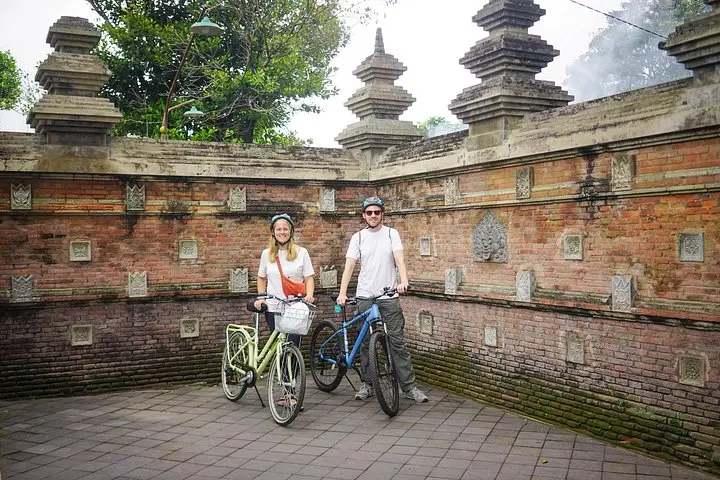
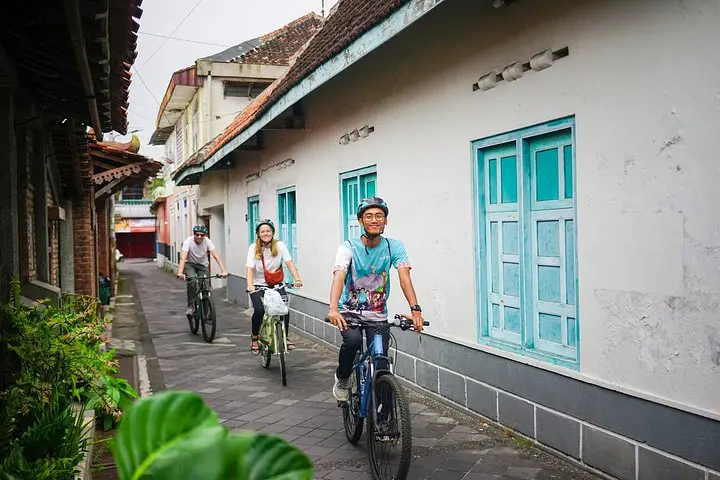
Morning light spills across cracked brick and mossed roofs as your wheels whisper through Kotagede’s narrow alleys. The town feels alive—woodworkers thump out gamelan cases, temple dogs stretch, and a river threads silver between stone banks daring you to slow down and look.
Verified experiences and guided adventures in the surrounding area.
Operated by MOANA - Sustainable Cycling Tour · Yogyakarta, Special Region of Yogyakarta
Morning light spills across cracked brick and mossed roofs as your wheels whisper through Kotagede’s narrow alleys. The town feels alive—woodworkers thump out gamelan cases, temple dogs stretch, and a river threads silver between stone banks daring you to slow down and look.
Kotagede was the heart of the Mataram Kingdom in the 16th–17th centuries; its tombs and ornate mosque facades trace a blend of Javanese court culture and early Islamic influence. Beneath the layered settlements, volcanic soils from nearby Merapi built the plain; you’ll cycle on compacted lanes and occasional cobblestone where tradition resists modern traffic. Street art and wooden carved doors show a living craft culture: silversmiths and batik studios operating in courtyard houses that have stood for generations.
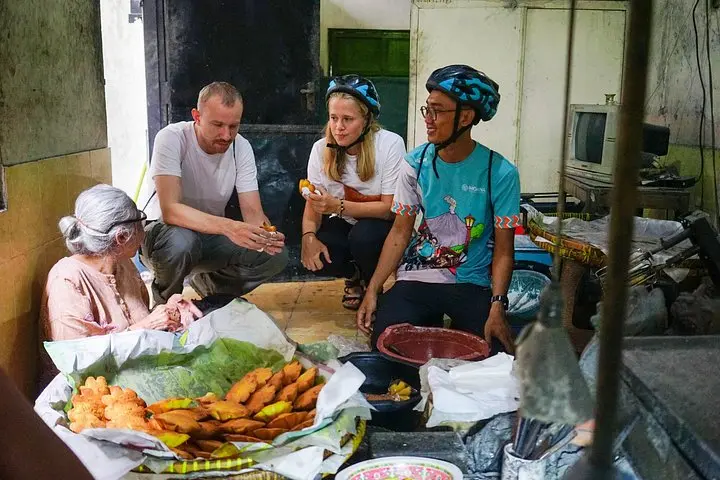
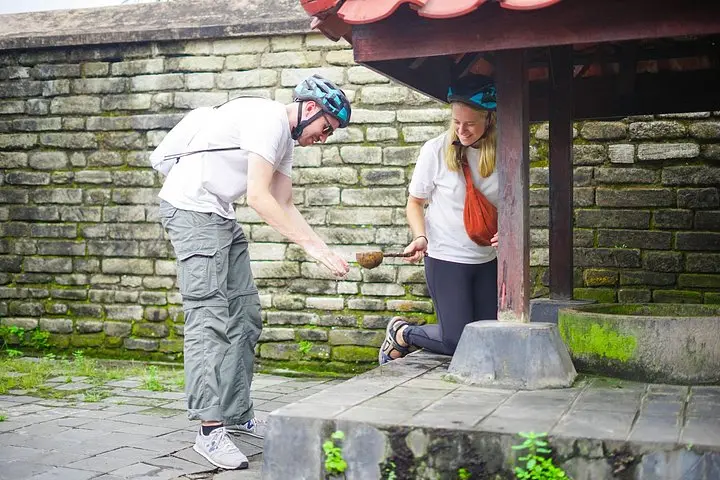
Practically, expect 12–15 km over three hours, gentle grades, and tight turns through residential neighborhoods. A guide will point out the Mataram royal tombs, a hidden spring, and a market where local snacks are bought and eaten standing—try a warm gudeg bite if offered. Wear closed-toe shoes for market lanes, use a compact lock if you step away, and carry small change for temple donations and stalls.
This ride is as much about people as pavement: conversations with vendors, a glance into a courtyard kitchen, and the river full of fish that slips quietly beside the route. Time your ride for early morning or late afternoon for cooler air and softer light; mid-day can be humid and busy. Bring water, basic bike-handling confidence, and a readiness to move at the neighborhood’s unhurried pace.
The tour lasts about three hours and covers roughly 12–15 km through Kotagede’s streets and market areas.
Bike rental and helmets are offered; helmets may be optional but are recommended for safety in narrow or uneven lanes.
The route is family-friendly in terms of pace, but guides note it’s not recommended for very young children; moderate bike skill is advised due to tight turns and occasional cobbles.
The tour includes refreshments and a local snack—additional purchases at markets are at your own expense.
MOANA - Sustainable Cycling Tour operates guided outdoor trips and adventures with an emphasis on safety, stewardship, and memorable experiences.
Morning light spills across cracked brick and mossed roofs as your wheels whisper through Kotagede’s narrow alleys. The town feels alive—woodworkers thump out gamelan cases, temple dogs stretch, and a river threads silver between stone banks daring you to slow down and look.
Morning light spills across cracked brick and mossed roofs as your wheels whisper through Kotagede’s narrow alleys. The town feels alive—woodworkers thump out gamelan cases, temple dogs stretch, and a river threads silver between stone banks daring you to slow down and look.
Kotagede was the heart of the Mataram Kingdom in the 16th–17th centuries; its tombs and ornate mosque facades trace a blend of Javanese court culture and early Islamic influence. Beneath the layered settlements, volcanic soils from nearby Merapi built the plain; you’ll cycle on compacted lanes and occasional cobblestone where tradition resists modern traffic. Street art and wooden carved doors show a living craft culture: silversmiths and batik studios operating in courtyard houses that have stood for generations.
Practically, expect 12–15 km over three hours, gentle grades, and tight turns through residential neighborhoods. A guide will point out the Mataram royal tombs, a hidden spring, and a market where local snacks are bought and eaten standing—try a warm gudeg bite if offered. Wear closed-toe shoes for market lanes, use a compact lock if you step away, and carry small change for temple donations and stalls.
This ride is as much about people as pavement: conversations with vendors, a glance into a courtyard kitchen, and the river full of fish that slips quietly beside the route. Time your ride for early morning or late afternoon for cooler air and softer light; mid-day can be humid and busy. Bring water, basic bike-handling confidence, and a readiness to move at the neighborhood’s unhurried pace.