THE ADVENTURE COLLECTIVE® · Independent discovery and booking for outdoor travel

Ride the Kotor cable car for jaw-dropping views over Boka Kotorska, then walk the winding alleys of a UNESCO Old Town. This combined excursion pairs a high-altitude panorama with a compact, insightful walking tour of Kotor’s history.
Ride the Kotor cable car for jaw-dropping views over Boka Kotorska, then walk the winding alleys of a UNESCO Old Town. This combined excursion pairs a high-altitude panorama with a compact, insightful walking tour of Kotor’s history.
You step into the cable car as the bay slips open below you — a ribbon of water cutting between steep limestone walls and sleeping red roofs. The gondola climbs fast; terraces, boats, and the famous serpentine road shrink into a chessboard, while the air thins and the wind dares you to look over the edge.
Verified experiences and guided adventures in the surrounding area.
Operated by Montenegro Destinations DMC · Kotor, Kotor
You step into the cable car as the bay slips open below you — a ribbon of water cutting between steep limestone walls and sleeping red roofs. The gondola climbs fast; terraces, boats, and the famous serpentine road shrink into a chessboard, while the air thins and the wind dares you to look over the edge.
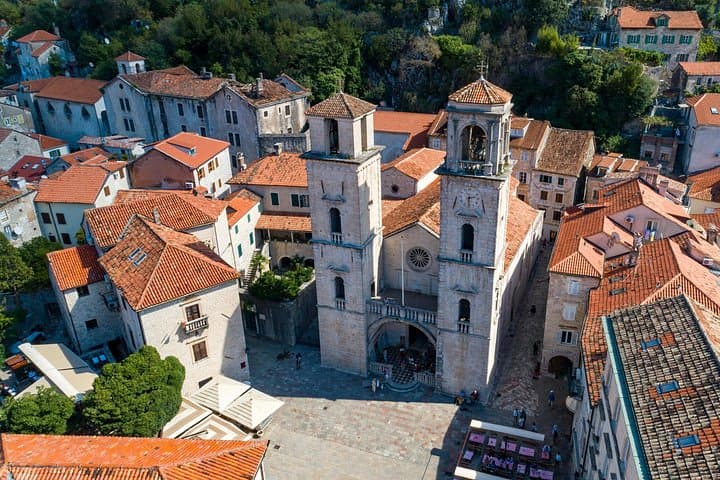
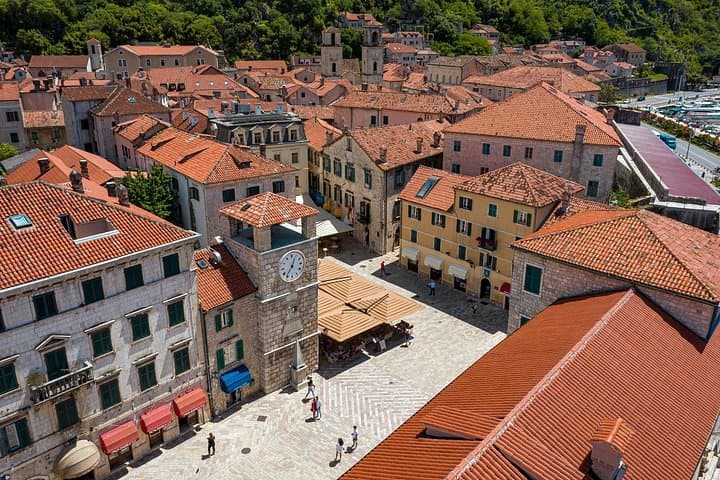
The upper station sits at about 1,350 meters, carved into the karst slopes that outline Boka Kotorska. From here, the view is geological narrative: fjord-like inlets formed by drowned river valleys, sheer cliffs scored by centuries of rain. Below, Kotor’s Old Town offers a different story — Venetian facades, medieval churches, and fortified walls that guarded trade routes between the Adriatic and the Balkans.
Your guide stitches those threads together: Ottoman sieges, Venetian merchants, and the cathedral bells that punctuate the town’s compact streets. Expect a focused hour on foot — cobblestones, tight alleys, and the exterior of St. Tryphon. There’s a short photo stop at a lookout for sweeping bay shots and a quick pullout at the serpentine to feel the road’s dramatic pitch.
Practical edge: bring layered windproof clothing for the summit, sturdy shoes for uneven cobbles, and water — the cable car ride is brief but exposure at the top can be chilly. The combined experience suits travelers who want high-elevation panoramas without a long hike and a concise, interpretive walking tour of one of Montenegro’s best-preserved medieval centers.
The ascent is brief — roughly ten minutes — but allow extra time at the top to take photos and enjoy viewpoints.
Yes; infants and small children can use strollers, and the activity is family-friendly, though cobbles may require a stroller you can lift occasionally.
Yes; the experience includes the Kotor Cable Car return ticket and associated admission fees listed by the operator.
This tour is not recommended for people with serious cardiovascular issues due to the cable car ascent and brief exposed viewpoints.
Montenegro Destinations DMC operates guided outdoor trips and adventures with an emphasis on safety, stewardship, and memorable experiences.
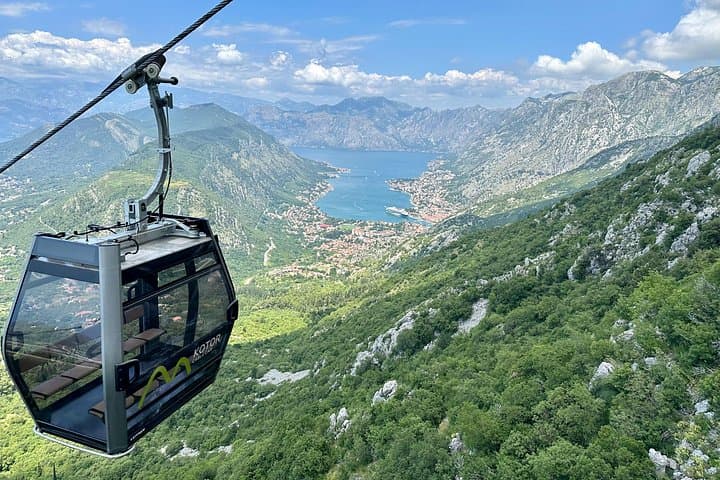
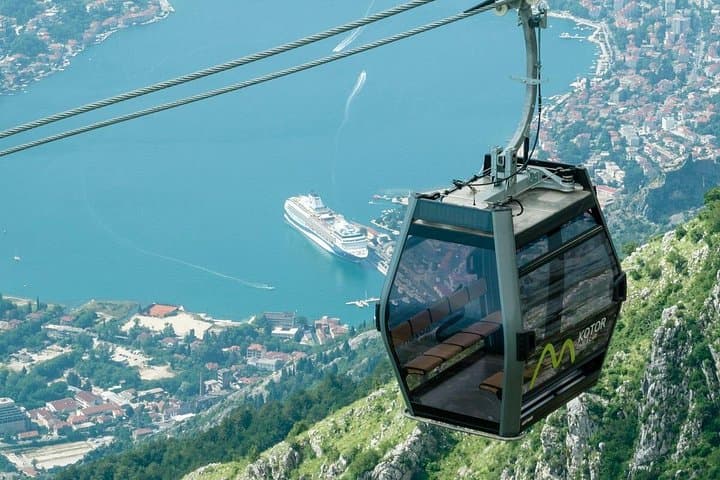
You step into the cable car as the bay slips open below you — a ribbon of water cutting between steep limestone walls and sleeping red roofs. The gondola climbs fast; terraces, boats, and the famous serpentine road shrink into a chessboard, while the air thins and the wind dares you to look over the edge.
You step into the cable car as the bay slips open below you — a ribbon of water cutting between steep limestone walls and sleeping red roofs. The gondola climbs fast; terraces, boats, and the famous serpentine road shrink into a chessboard, while the air thins and the wind dares you to look over the edge.
The upper station sits at about 1,350 meters, carved into the karst slopes that outline Boka Kotorska. From here, the view is geological narrative: fjord-like inlets formed by drowned river valleys, sheer cliffs scored by centuries of rain. Below, Kotor’s Old Town offers a different story — Venetian facades, medieval churches, and fortified walls that guarded trade routes between the Adriatic and the Balkans.
Your guide stitches those threads together: Ottoman sieges, Venetian merchants, and the cathedral bells that punctuate the town’s compact streets. Expect a focused hour on foot — cobblestones, tight alleys, and the exterior of St. Tryphon. There’s a short photo stop at a lookout for sweeping bay shots and a quick pullout at the serpentine to feel the road’s dramatic pitch.
Practical edge: bring layered windproof clothing for the summit, sturdy shoes for uneven cobbles, and water — the cable car ride is brief but exposure at the top can be chilly. The combined experience suits travelers who want high-elevation panoramas without a long hike and a concise, interpretive walking tour of one of Montenegro’s best-preserved medieval centers.