THE ADVENTURE COLLECTIVE® · Independent discovery and booking for outdoor travel

Wander Kotor’s Sea Gate into a three-hour culinary walk that pairs market tastings with historic squares and Venetian-influenced dishes. A licensed guide leads you to buzara mussels, Amaro Montenegro, black risotto and a final krempita—perfect for first-time visitors wanting context with every bite.
Wander Kotor’s Sea Gate into a three-hour culinary walk that pairs market tastings with historic squares and Venetian-influenced dishes. A licensed guide leads you to buzara mussels, Amaro Montenegro, black risotto and a final krempita—perfect for first-time visitors wanting context with every bite.
You step through the Sea Gate and the city rearranges itself around sound and scent: vendors calling from the Farmer’s Market, salt-slick air from the bay daring you to slow down, and stone alleys cooling the heat of midday.
Verified experiences and guided adventures in the surrounding area.
Operated by Miro & Sons Montenegro Tours · Kotor, Kotor Municipality
You step through the Sea Gate and the city rearranges itself around sound and scent: vendors calling from the Farmer’s Market, salt-slick air from the bay daring you to slow down, and stone alleys cooling the heat of midday.
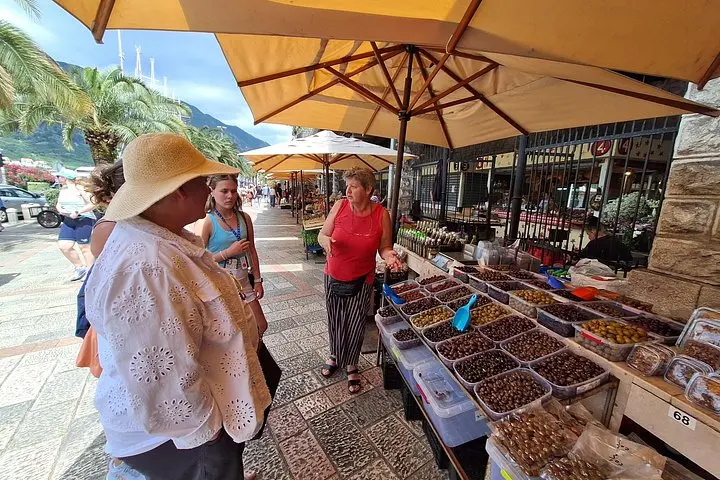
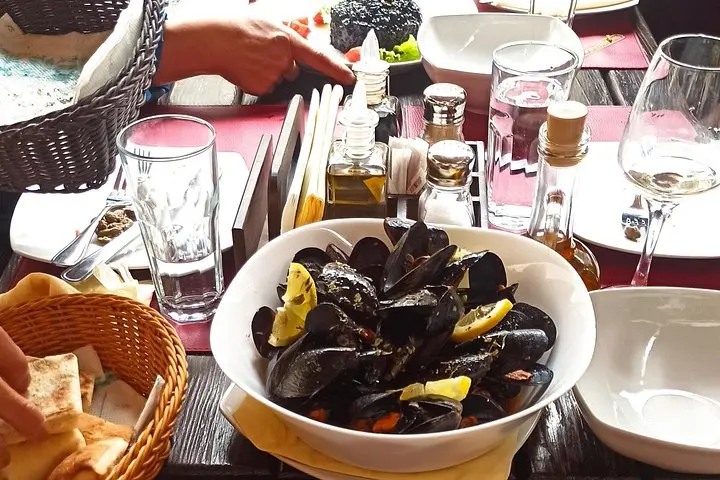
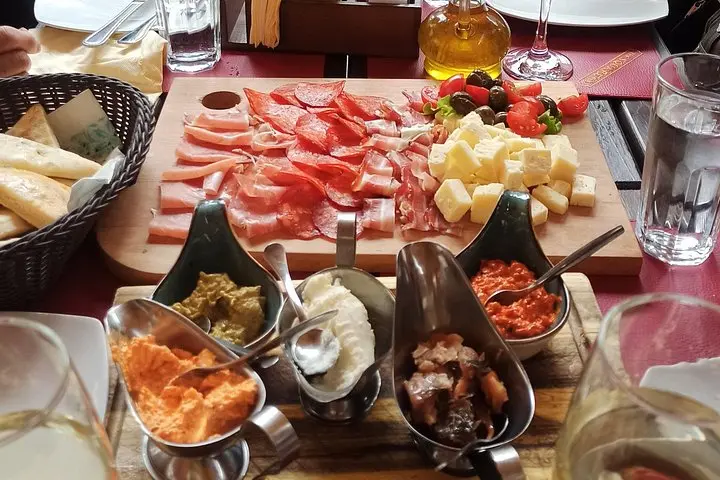
This three-hour walk threads Kotor’s medieval core—its Romanesque churches, Venetian palaces and compact squares—into a tasting map. The Farmer’s Market opens the tour with smoked ham, local cheeses and fresh-caught fish; later you’ll sip Amaro Montenegro in a bar whose recipe dates to 1885, taste buzara mussels beneath St. Tryphon’s Romanesque façade, and finish with a pillowy krempita and coffee.
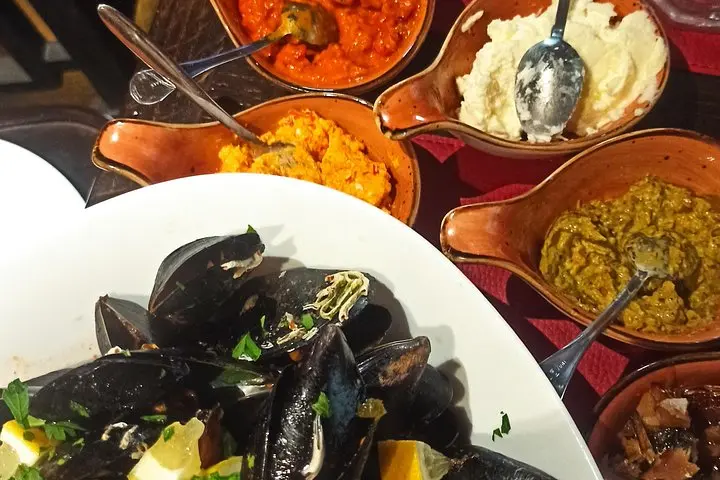
Kotor sits at the head of Boka Kotorska, a drowned river canyon often miscalled a fjord; the surrounding limestone karst and steep fortifications tell a history of Venetian merchants, Ottoman raids and Austro-Hungarian rule. That layered past is on the plate: Italian technique, Balkan preserves and Adriatic seafood.
Expect purposeful walking on uneven cobbles and narrow alleys—comfortable shoes matter. The tour is largely accessible but involves stepping and brief standing in small venues; public transport links and Sea Gate pickup make logistics simple. Bring a modest amount of cash for extra tastings, leave bulky bags at your hotel, and plan morning visits for the freshest market stalls and softer light for photos.
For curious travelers this balances sensory reward with practical pacing: cultural context from a licensed guide, a mix of sit-down tastings and street bites, and a clear palate of what makes Kotor’s cuisine unmistakably Adriatic.
Yes—this tour includes the tastings and drinks listed in the itinerary (water, snacks, coffee and alcoholic tastings where specified).
Guides can often adjust tastings for common dietary needs if informed at booking; disclose restrictions when you reserve.
The tour notes wheelchair and stroller accessibility for most areas, but some historic venues include tight spaces—contact the operator to confirm specific arrangements.
This small-group tour is led by a licensed local guide in English and averages under 10 guests, offering conversational context and easy Q&A.
Miro & Sons Montenegro Tours operates guided outdoor trips and adventures with an emphasis on safety, stewardship, and memorable experiences.
You step through the Sea Gate and the city rearranges itself around sound and scent: vendors calling from the Farmer’s Market, salt-slick air from the bay daring you to slow down, and stone alleys cooling the heat of midday.
You step through the Sea Gate and the city rearranges itself around sound and scent: vendors calling from the Farmer’s Market, salt-slick air from the bay daring you to slow down, and stone alleys cooling the heat of midday.
This three-hour walk threads Kotor’s medieval core—its Romanesque churches, Venetian palaces and compact squares—into a tasting map. The Farmer’s Market opens the tour with smoked ham, local cheeses and fresh-caught fish; later you’ll sip Amaro Montenegro in a bar whose recipe dates to 1885, taste buzara mussels beneath St. Tryphon’s Romanesque façade, and finish with a pillowy krempita and coffee.
Kotor sits at the head of Boka Kotorska, a drowned river canyon often miscalled a fjord; the surrounding limestone karst and steep fortifications tell a history of Venetian merchants, Ottoman raids and Austro-Hungarian rule. That layered past is on the plate: Italian technique, Balkan preserves and Adriatic seafood.
Expect purposeful walking on uneven cobbles and narrow alleys—comfortable shoes matter. The tour is largely accessible but involves stepping and brief standing in small venues; public transport links and Sea Gate pickup make logistics simple. Bring a modest amount of cash for extra tastings, leave bulky bags at your hotel, and plan morning visits for the freshest market stalls and softer light for photos.
For curious travelers this balances sensory reward with practical pacing: cultural context from a licensed guide, a mix of sit-down tastings and street bites, and a clear palate of what makes Kotor’s cuisine unmistakably Adriatic.