THE ADVENTURE COLLECTIVE® · Independent discovery and booking for outdoor travel

A private, full-day loop through Montenegro’s Adriatic highlights: baroque Perast, the island shrine of Our Lady of the Rocks, Kotor’s walled old town and seaside Budva with a panoramic view of Sveti Stefan. Expect historic architecture, karst cliffs and a short boat ride.
A private, full-day loop through Montenegro’s Adriatic highlights: baroque Perast, the island shrine of Our Lady of the Rocks, Kotor’s walled old town and seaside Budva with a panoramic view of Sveti Stefan. Expect historic architecture, karst cliffs and a short boat ride.
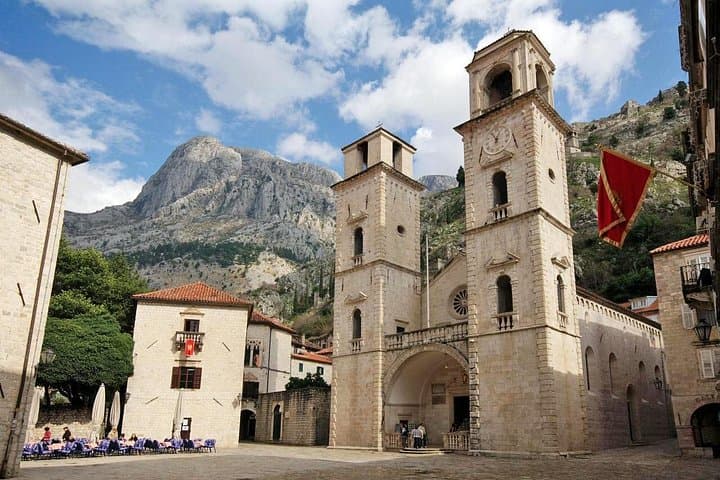
The bus slows as the bay opens like a page ripped from a maritime atlas. Limestone ridges fold into water; red-tiled roofs cluster under an ancient wall; gulls wheel and call as if narrating the coastline. You step out in Kotor and the old town greets you with narrow stone alleys, churches that keep watch like old officers, and the distant, stepped silhouette of the San Giovanni fortress climbing the mountain above.
Verified experiences and guided adventures in the surrounding area.
Operated by Dubrovnik Tours - Horizon · Kotor, Kotor Municipality
The bus slows as the bay opens like a page ripped from a maritime atlas. Limestone ridges fold into water; red-tiled roofs cluster under an ancient wall; gulls wheel and call as if narrating the coastline. You step out in Kotor and the old town greets you with narrow stone alleys, churches that keep watch like old officers, and the distant, stepped silhouette of the San Giovanni fortress climbing the mountain above.
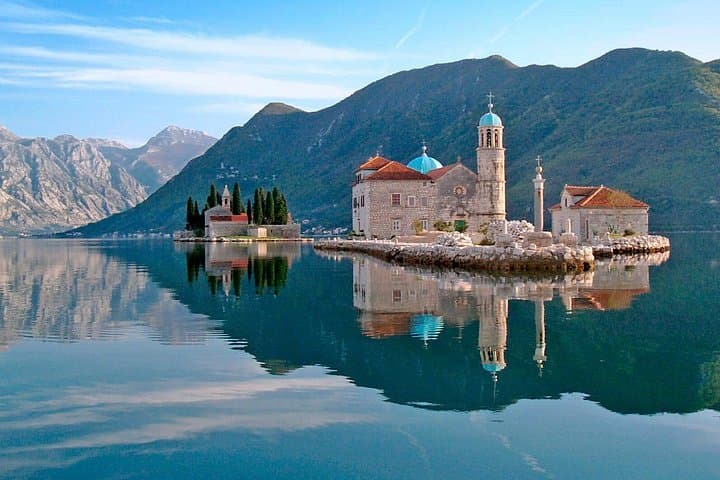
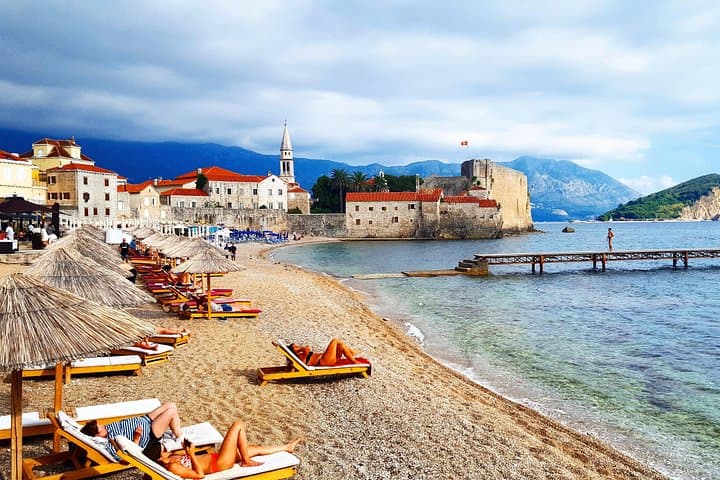
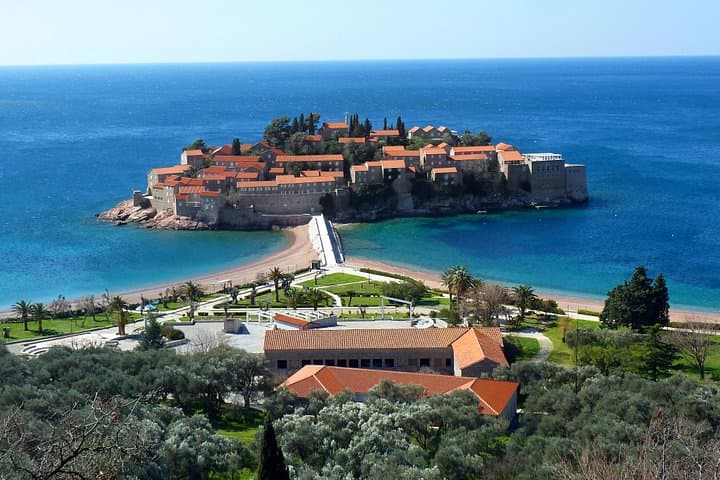
This full-day private tour threads together four distinct coastal chapters: the baroque elegance of Perast, a boat hop to the tiny man-made islet of Our Lady of the Rocks, a focused walk through Kotor’s UNESCO-protected old town and, later, a seaside lunch and stroll in Budva with a panoramic pause to view the island-hotel of Sveti Stefan. Geologically, the Bay of Kotor is a submerged river canyon—often called the southernmost fjord in Europe—where steep karst walls collapse into tranquil water, making every viewpoint a theatrical reveal.
Perast reads like a small nobleman’s album: 17th- and 18th-century palaces polished by sea salt and time. The islet of Our Lady of the Rocks, reached by a short boat ride, houses a compact museum filled with votive paintings and maritime relics; the stones beneath it are literal offerings, thrown by generations of sailors. Kotor’s old town is compact but layered—Roman foundations, Venetian façades, Orthodox and Catholic churches side by side—while the climb to the fortress delivers sweeping aerial views and a reminder that this harbor has been a strategic prize for Illyrians, Romans and Venetians alike.
Practical guidance is direct: expect an 11-hour day with several short walks and one moderate uphill climb (the fortress ascent is roughly 250–350m gain over uneven stone steps). Border paperwork is part of the rhythm if you join from Croatia—carry passports and any required visas. The tour includes A/C transport, guided walking segments, boat tickets across Kotor Bay and entry to the Our Lady of the Rocks museum; lunch in Budva is typically at your own expense.
Dress for sun and stone: sturdy walking shoes for cobbled lanes and steps, a light layer for breezy viewpoints, and a refillable water bottle—the Adriatic sun hits hard in summer and the wind off the bay will try to persuade you into a jacket in shoulder seasons. Time your photos for morning light in Perast and golden-hour panoramas above Kotor; the tour’s private format makes it flexible for small adjustments. Whether you’re there for history, coastal geometry or simply the pleasure of moving through scale from tiny island churches to towering limestone walls, this route delivers a compact, thoughtfully paced survey of Montenegro’s Adriatic shore.
Yes—if you start or return through Croatia the route crosses an international border, so passports (and any relevant visas) are required.
Yes; the tour includes a short boat ride and entrance to the church museum on the islet.
Expect several short walking tours in towns (30–90 minutes each) and a moderate climb to the Kotor fortress with many stone steps; overall the day is active but accessible.
No—lunch in Budva is typically at your own expense, giving you freedom to choose from seaside options.
This is a private tour and can often be adapted; notify the operator in advance so they can arrange easier access or minimize steps.
Montenegro uses the euro; bring cash for small purchases, though many places accept cards in tourist areas.
Dubrovnik Tours - Horizon operates guided outdoor trips and adventures with an emphasis on safety, stewardship, and memorable experiences.
The bus slows as the bay opens like a page ripped from a maritime atlas. Limestone ridges fold into water; red-tiled roofs cluster under an ancient wall; gulls wheel and call as if narrating the coastline. You step out in Kotor and the old town greets you with narrow stone alleys, churches that keep watch like old officers, and the distant, stepped silhouette of the San Giovanni fortress climbing the mountain above.
The bus slows as the bay opens like a page ripped from a maritime atlas. Limestone ridges fold into water; red-tiled roofs cluster under an ancient wall; gulls wheel and call as if narrating the coastline. You step out in Kotor and the old town greets you with narrow stone alleys, churches that keep watch like old officers, and the distant, stepped silhouette of the San Giovanni fortress climbing the mountain above.
This full-day private tour threads together four distinct coastal chapters: the baroque elegance of Perast, a boat hop to the tiny man-made islet of Our Lady of the Rocks, a focused walk through Kotor’s UNESCO-protected old town and, later, a seaside lunch and stroll in Budva with a panoramic pause to view the island-hotel of Sveti Stefan. Geologically, the Bay of Kotor is a submerged river canyon—often called the southernmost fjord in Europe—where steep karst walls collapse into tranquil water, making every viewpoint a theatrical reveal.
Perast reads like a small nobleman’s album: 17th- and 18th-century palaces polished by sea salt and time. The islet of Our Lady of the Rocks, reached by a short boat ride, houses a compact museum filled with votive paintings and maritime relics; the stones beneath it are literal offerings, thrown by generations of sailors. Kotor’s old town is compact but layered—Roman foundations, Venetian façades, Orthodox and Catholic churches side by side—while the climb to the fortress delivers sweeping aerial views and a reminder that this harbor has been a strategic prize for Illyrians, Romans and Venetians alike.
Practical guidance is direct: expect an 11-hour day with several short walks and one moderate uphill climb (the fortress ascent is roughly 250–350m gain over uneven stone steps). Border paperwork is part of the rhythm if you join from Croatia—carry passports and any required visas. The tour includes A/C transport, guided walking segments, boat tickets across Kotor Bay and entry to the Our Lady of the Rocks museum; lunch in Budva is typically at your own expense.
Dress for sun and stone: sturdy walking shoes for cobbled lanes and steps, a light layer for breezy viewpoints, and a refillable water bottle—the Adriatic sun hits hard in summer and the wind off the bay will try to persuade you into a jacket in shoulder seasons. Time your photos for morning light in Perast and golden-hour panoramas above Kotor; the tour’s private format makes it flexible for small adjustments. Whether you’re there for history, coastal geometry or simply the pleasure of moving through scale from tiny island churches to towering limestone walls, this route delivers a compact, thoughtfully paced survey of Montenegro’s Adriatic shore.