THE ADVENTURE COLLECTIVE® · Independent discovery and booking for outdoor travel

Skip the bus and relax into a private transfer along Montenegro’s dramatic coastline. This 1–2 hour drive from Kotor to Dubrovnik combines easy logistics with sweeping Adriatic views and practical border advice.
Skip the bus and relax into a private transfer along Montenegro’s dramatic coastline. This 1–2 hour drive from Kotor to Dubrovnik combines easy logistics with sweeping Adriatic views and practical border advice.
You ease into the seat as the city walls of Kotor recede and the road begins to thread around the bay. Limestone cliffs lean toward the sea and the Adriatic dares you to look away — windows frame villages clinging to slopes, olive groves, and flashes of turquoise where coves catch the light.
Verified experiences and guided adventures in the surrounding area.
Operated by Promanse · Kotor, Kotor Municipality
You ease into the seat as the city walls of Kotor recede and the road begins to thread around the bay. Limestone cliffs lean toward the sea and the Adriatic dares you to look away — windows frame villages clinging to slopes, olive groves, and flashes of turquoise where coves catch the light.
The route follows coastline shaped by karst geology and centuries of maritime trade. Kotor’s fortified old town reflects medieval and Venetian influence, while Dubrovnik ahead grew wealthy as the Republic of Ragusa; both towns read like open-air history lessons. Along the way, you’ll pass Herceg Novi and smaller coastal settlements where fishing traditions still shape daily life.
Practically, the drive is straightforward: plan on 1–2 hours for roughly 90–100 km depending on traffic and border formalities. Roads are paved but winding; expect short climbs and tight turns as you skirt the bay and then the open Adriatic. A private, air-conditioned vehicle with a professional driver removes the stress of buses and taxis and can drop you close to your Dubrovnik accommodation.
Bring passports—border controls between Montenegro and Croatia remain routine—and allow extra time during summer peak and when cruise ships are in port. Light luggage fits comfortably; most operators provide infant seats on request. Early morning or late afternoon departures avoid the heaviest traffic and mid-day heat.
This transfer is a functional transport and a low-effort introduction to one of Europe’s most dramatic coastal corridors: efficient, scenic, and best enjoyed with a camera and a window seat.
Expect about 1–2 hours for the one-way transfer, depending on traffic, road conditions, and border control wait times.
Yes—carry a valid passport or national ID as officials commonly check documents at the border crossing.
Most private transfers allow short stops on request; confirm any extra stops when booking as it may affect travel time and cost.
Yes, infant seats are available but should be requested at booking to ensure availability and proper installation.
Promanse operates guided outdoor trips and adventures with an emphasis on safety, stewardship, and memorable experiences.
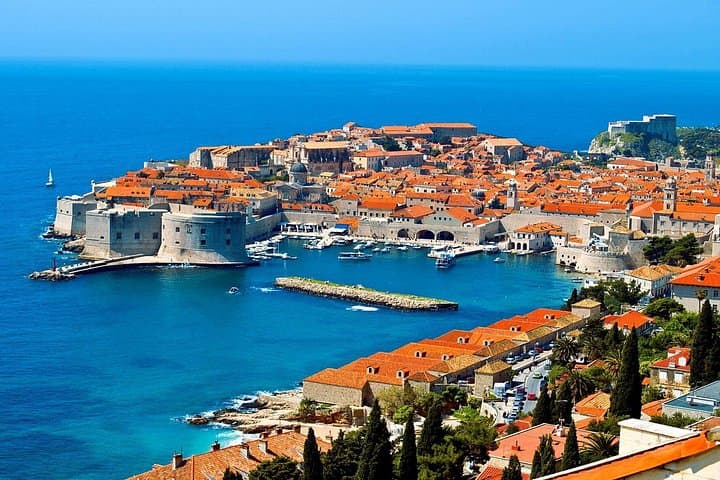

You ease into the seat as the city walls of Kotor recede and the road begins to thread around the bay. Limestone cliffs lean toward the sea and the Adriatic dares you to look away — windows frame villages clinging to slopes, olive groves, and flashes of turquoise where coves catch the light.
You ease into the seat as the city walls of Kotor recede and the road begins to thread around the bay. Limestone cliffs lean toward the sea and the Adriatic dares you to look away — windows frame villages clinging to slopes, olive groves, and flashes of turquoise where coves catch the light.
The route follows coastline shaped by karst geology and centuries of maritime trade. Kotor’s fortified old town reflects medieval and Venetian influence, while Dubrovnik ahead grew wealthy as the Republic of Ragusa; both towns read like open-air history lessons. Along the way, you’ll pass Herceg Novi and smaller coastal settlements where fishing traditions still shape daily life.
Practically, the drive is straightforward: plan on 1–2 hours for roughly 90–100 km depending on traffic and border formalities. Roads are paved but winding; expect short climbs and tight turns as you skirt the bay and then the open Adriatic. A private, air-conditioned vehicle with a professional driver removes the stress of buses and taxis and can drop you close to your Dubrovnik accommodation.
Bring passports—border controls between Montenegro and Croatia remain routine—and allow extra time during summer peak and when cruise ships are in port. Light luggage fits comfortably; most operators provide infant seats on request. Early morning or late afternoon departures avoid the heaviest traffic and mid-day heat.
This transfer is a functional transport and a low-effort introduction to one of Europe’s most dramatic coastal corridors: efficient, scenic, and best enjoyed with a camera and a window seat.