THE ADVENTURE COLLECTIVE® · Independent discovery and booking for outdoor travel

Leave Osaka’s bustle for a private day on Koyasan—an 8–9 hour journey into cedar forests, centuries-old temples, and the sacred Okuno-in cemetery. This guided tour bundles express train, cable car, and local bus so you can focus on history, ritual, and the mountain’s quiet beauty.
Leave Osaka’s bustle for a private day on Koyasan—an 8–9 hour journey into cedar forests, centuries-old temples, and the sacred Okuno-in cemetery. This guided tour bundles express train, cable car, and local bus so you can focus on history, ritual, and the mountain’s quiet beauty.
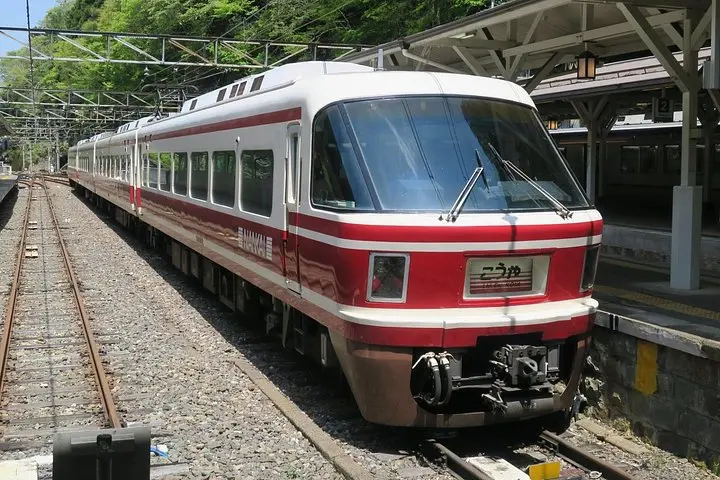
A low-mist morning on the train, and Osaka’s urban roar peels away as the express climbs toward Koyasan. By the time the cable car tips over the ridge, cedar trunks loom like patient sentinels and the air cools; the mountain seems to hold its breath.
Verified experiences and guided adventures in the surrounding area.
Operated by DeepExperience · Koya (Kōya-chō), Wakayama Prefecture
A low-mist morning on the train, and Osaka’s urban roar peels away as the express climbs toward Koyasan. By the time the cable car tips over the ridge, cedar trunks loom like patient sentinels and the air cools; the mountain seems to hold its breath.
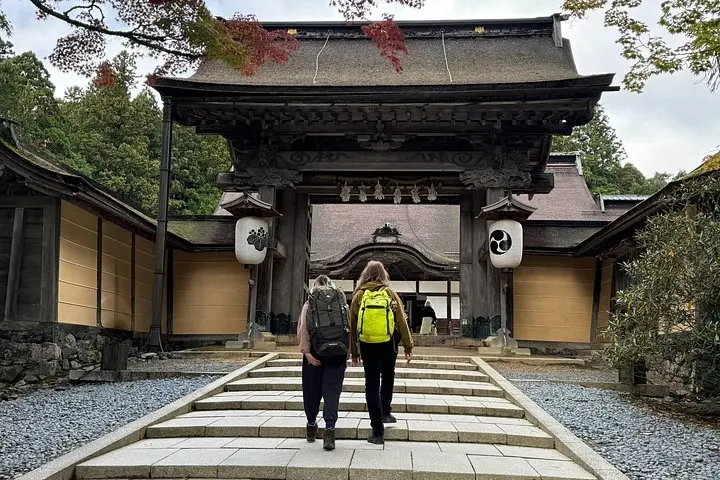
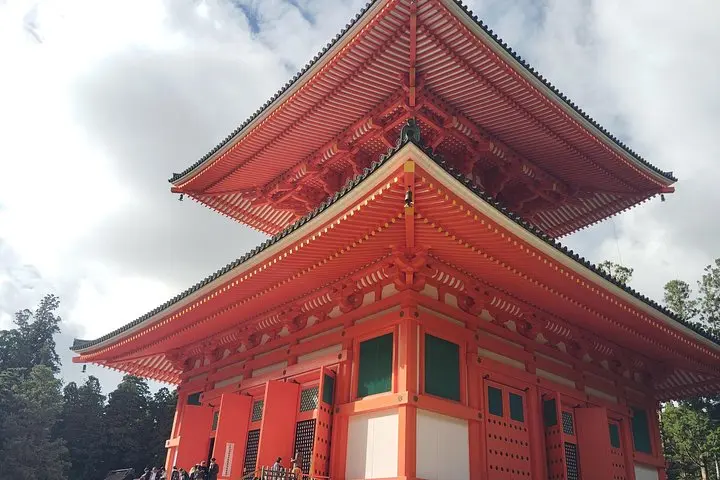
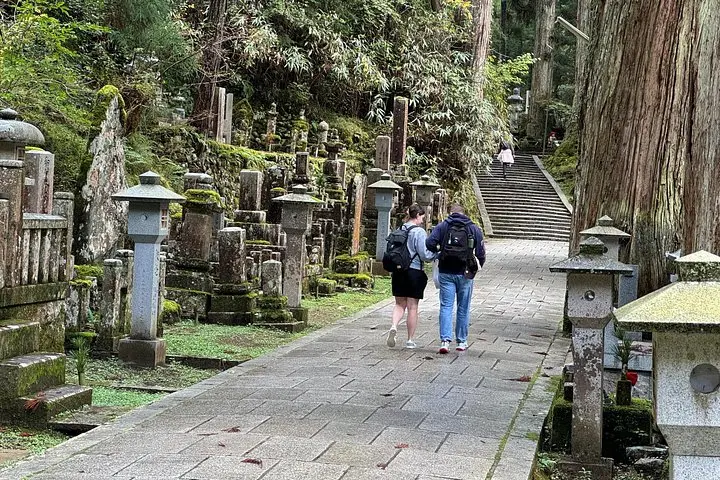
Koyasan is a living religious city founded in the early 9th century by the monk Kukai (Kobo Daishi). Its volcanic plateau sits on the Kii Peninsula’s highest tablelands, carved by ancient flows and blanketed in deep conifer forest. Okuno-in’s moss-covered grave markers and lanterns line paths that mark centuries of pilgrimage, while Kongobuji’s formal architecture records the temple town’s role as a clerical center. Danjo Garan’s pagoda and halls reveal the ascetic practices that shaped Shingon Buddhism here.
A private day tour from Namba compresses travel logistics—express train, cable car, and short bus—so visitors spend time moving through space and history rather than plotting transit. Expect quiet, respectful observation: temple etiquette (low voices, removed hats indoors) matters more than speed.
Practical notes: plan for an 8–9 hour day, moderate walking on uneven steps and forest paths, and variable mountain weather. Carry cash for small temple offerings and lunch, bring layers for cool mornings and warmer afternoons, and wear treaded shoes for wet stone. Photography is welcomed at most outdoor spaces but follow signs and guide direction near sacred sites.
This route suits travelers who want structured access to Koyasan’s high-altitude culture—where the forest seems to guide the visitor, and the past is present in every carved stone and silent grove.
The tour runs about 8–9 hours and includes round-trip express train from Namba, a cable car up the mountain, and local bus transfers to temple areas.
Admissions to Okuno-in, Kongobuji, and Danjo Garan are included; the tour is private and comes with a professional guide as listed.
People with moderate fitness can participate, but the tour involves walking on uneven terrain and many steps—consider mobility limitations before booking.
Many lodgings and local restaurants offer shojin ryori; inform the operator ahead of time to arrange a vegetarian lunch option.
DeepExperience operates guided outdoor trips and adventures with an emphasis on safety, stewardship, and memorable experiences.
A low-mist morning on the train, and Osaka’s urban roar peels away as the express climbs toward Koyasan. By the time the cable car tips over the ridge, cedar trunks loom like patient sentinels and the air cools; the mountain seems to hold its breath.
A low-mist morning on the train, and Osaka’s urban roar peels away as the express climbs toward Koyasan. By the time the cable car tips over the ridge, cedar trunks loom like patient sentinels and the air cools; the mountain seems to hold its breath.
Koyasan is a living religious city founded in the early 9th century by the monk Kukai (Kobo Daishi). Its volcanic plateau sits on the Kii Peninsula’s highest tablelands, carved by ancient flows and blanketed in deep conifer forest. Okuno-in’s moss-covered grave markers and lanterns line paths that mark centuries of pilgrimage, while Kongobuji’s formal architecture records the temple town’s role as a clerical center. Danjo Garan’s pagoda and halls reveal the ascetic practices that shaped Shingon Buddhism here.
A private day tour from Namba compresses travel logistics—express train, cable car, and short bus—so visitors spend time moving through space and history rather than plotting transit. Expect quiet, respectful observation: temple etiquette (low voices, removed hats indoors) matters more than speed.
Practical notes: plan for an 8–9 hour day, moderate walking on uneven steps and forest paths, and variable mountain weather. Carry cash for small temple offerings and lunch, bring layers for cool mornings and warmer afternoons, and wear treaded shoes for wet stone. Photography is welcomed at most outdoor spaces but follow signs and guide direction near sacred sites.
This route suits travelers who want structured access to Koyasan’s high-altitude culture—where the forest seems to guide the visitor, and the past is present in every carved stone and silent grove.