THE ADVENTURE COLLECTIVE® · Independent discovery and booking for outdoor travel

A full-day private excursion from Lomé that pairs a 1–2 hour summit hike on Mount Agou with visits to Kpalimé’s craft centers and a cooling swim at Womé waterfall. Expect steep village trails, panoramic viewpoints and hands-on cultural stops.
A full-day private excursion from Lomé that pairs a 1–2 hour summit hike on Mount Agou with visits to Kpalimé’s craft centers and a cooling swim at Womé waterfall. Expect steep village trails, panoramic viewpoints and hands-on cultural stops.
You step from an air‑conditioned van into a cooler mountain air; clouds roll low and the rice terraces below Kpalimé open like pages. The trail climbs through small villages — children calling greetings, gardens of cocoa and palm — until the slope narrows and the Pic d'Agou pulls the sky toward you.
Verified experiences and guided adventures in the surrounding area.
Operated by Miabétour · Kpalimé, Plateaux Region
You step from an air‑conditioned van into a cooler mountain air; clouds roll low and the rice terraces below Kpalimé open like pages. The trail climbs through small villages — children calling greetings, gardens of cocoa and palm — until the slope narrows and the Pic d'Agou pulls the sky toward you.
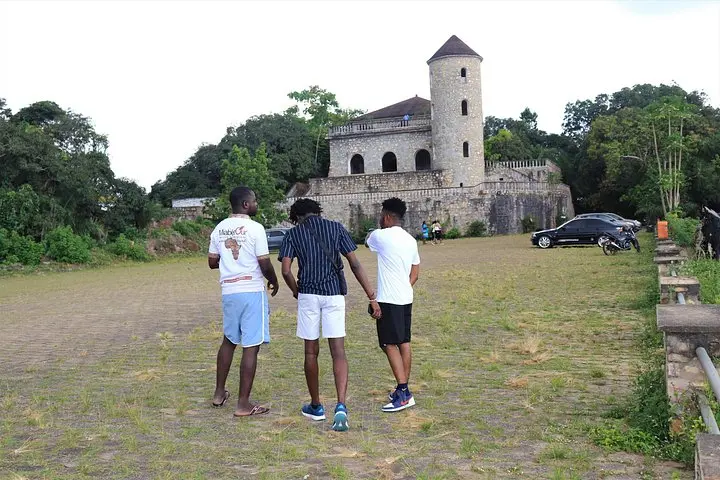
Geology here is blunt and honest: ancient metamorphic rock shaped into a solitary peak that catches winds off the Gulf of Guinea. The area’s history mixes Ewe cultural life with visible German colonial-era buildings in Kpalimé, and local craft centers continue traditional wood carving, batik and pottery that tell a practical story of place.
Expect a 1–2 hour hike from village paths to summit viewpoints with panoramic sightlines over the Plateaux Region and, on clear days, toward Ghana. Trails are steep in sections but well trodden; descending to Womé waterfall requires negotiating stepped, sometimes slippery trails that demand cautious footing before the reward of a cool swim.
Practical guidance: start early from Lomé to avoid midday heat, carry at least 2 liters of water, wear grippy hiking shoes and bring swimwear packed in a dry bag. The guide-led format includes local stops — a craft center and lookouts — and provides short cultural context at each point. Leave time for slow returns; the road back to Lomé crosses farmland where light softens quickly, making the final hour of the drive a quiet wind‑down after a full day outdoors.
The hike to Pic d'Agou is typically 1–2 hours on marked village trails with some steep pitches — rated moderate; prior hiking experience helps but no technical climbing skills are required.
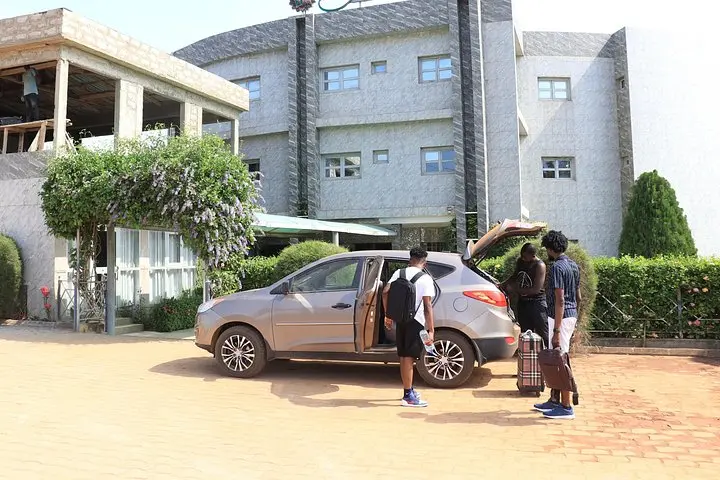
Yes — the tour includes round-trip transport in an air‑conditioned vehicle from Lomé with pickup options arranged at booking.
You can usually swim year‑round, but water levels vary with the rainy season; guides will advise if conditions are unsafe.
Basic restroom and refreshment stops occur in Kpalimé and near tourist sites; bring snacks and any personal needs for the day-long itinerary.
Miabétour operates guided outdoor trips and adventures with an emphasis on safety, stewardship, and memorable experiences.

You step from an air‑conditioned van into a cooler mountain air; clouds roll low and the rice terraces below Kpalimé open like pages. The trail climbs through small villages — children calling greetings, gardens of cocoa and palm — until the slope narrows and the Pic d'Agou pulls the sky toward you.
You step from an air‑conditioned van into a cooler mountain air; clouds roll low and the rice terraces below Kpalimé open like pages. The trail climbs through small villages — children calling greetings, gardens of cocoa and palm — until the slope narrows and the Pic d'Agou pulls the sky toward you.
Geology here is blunt and honest: ancient metamorphic rock shaped into a solitary peak that catches winds off the Gulf of Guinea. The area’s history mixes Ewe cultural life with visible German colonial-era buildings in Kpalimé, and local craft centers continue traditional wood carving, batik and pottery that tell a practical story of place.
Expect a 1–2 hour hike from village paths to summit viewpoints with panoramic sightlines over the Plateaux Region and, on clear days, toward Ghana. Trails are steep in sections but well trodden; descending to Womé waterfall requires negotiating stepped, sometimes slippery trails that demand cautious footing before the reward of a cool swim.
Practical guidance: start early from Lomé to avoid midday heat, carry at least 2 liters of water, wear grippy hiking shoes and bring swimwear packed in a dry bag. The guide-led format includes local stops — a craft center and lookouts — and provides short cultural context at each point. Leave time for slow returns; the road back to Lomé crosses farmland where light softens quickly, making the final hour of the drive a quiet wind‑down after a full day outdoors.