THE ADVENTURE COLLECTIVE® · Independent discovery and booking for outdoor travel

A compact 4‑hour loop through Krabi’s highlights: a 150‑year‑old Reclining Buddha, the forested amphitheater of Tiger Cave Temple and the shoreline of Noppharat Thara Marine National Park. Perfect for first‑time visitors who want geology, culture and a beach in one morning.
A compact 4‑hour loop through Krabi’s highlights: a 150‑year‑old Reclining Buddha, the forested amphitheater of Tiger Cave Temple and the shoreline of Noppharat Thara Marine National Park. Perfect for first‑time visitors who want geology, culture and a beach in one morning.
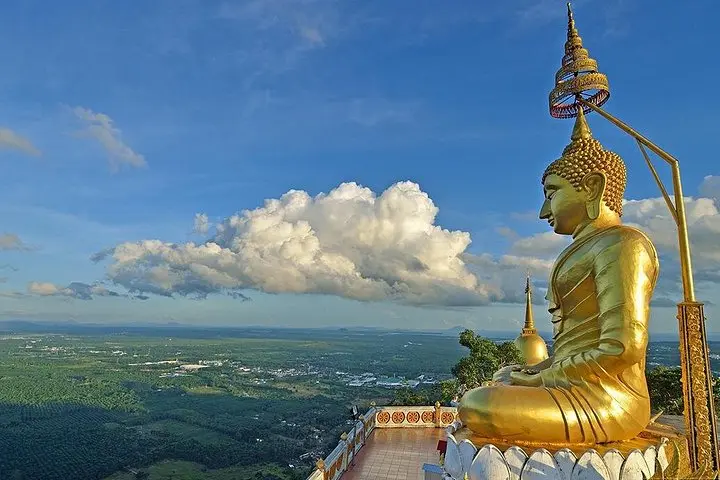
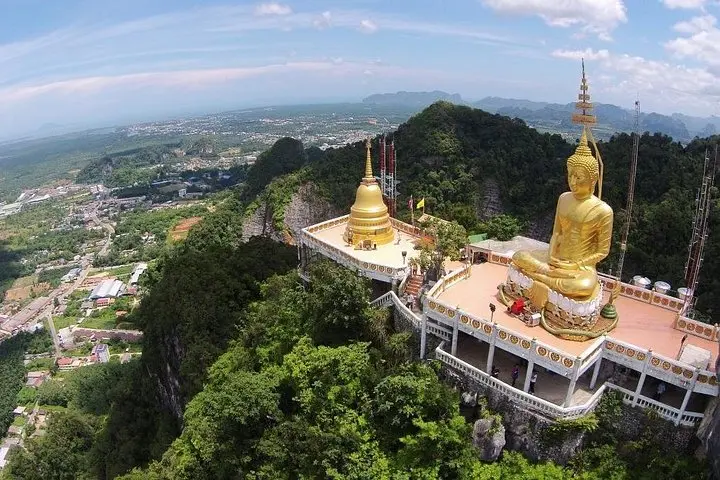
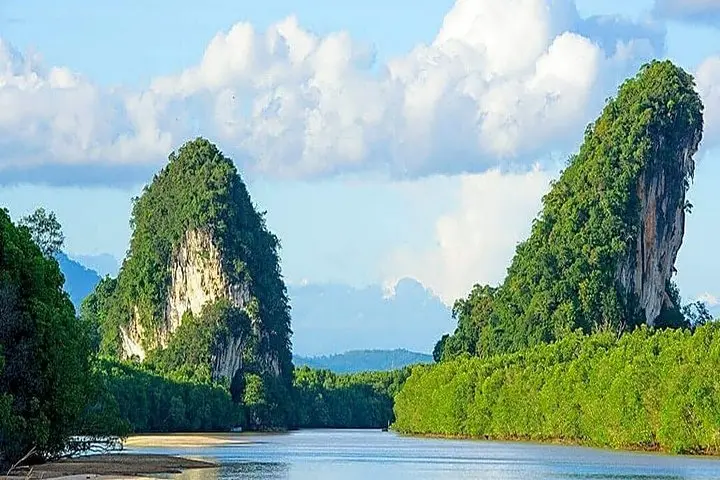
The van eases out of Krabi town and the Andaman Coast opens like a page of limestone sketches—towering karsts, mangrove edges and the steady sea beyond. Within an hour you’re at Wat Sai Thai to see a 150‑year‑old Reclining Buddha, its calm face framed by teak trees; later the road narrows toward the ring of cliffs that hides Wat Tham Sua, the Tiger Cave Temple, where concrete steps climb to a central hollow and forested valley.
Verified experiences and guided adventures in the surrounding area.
Operated by Way to Bangkok · Krabi, Krabi Province
The van eases out of Krabi town and the Andaman Coast opens like a page of limestone sketches—towering karsts, mangrove edges and the steady sea beyond. Within an hour you’re at Wat Sai Thai to see a 150‑year‑old Reclining Buddha, its calm face framed by teak trees; later the road narrows toward the ring of cliffs that hides Wat Tham Sua, the Tiger Cave Temple, where concrete steps climb to a central hollow and forested valley.
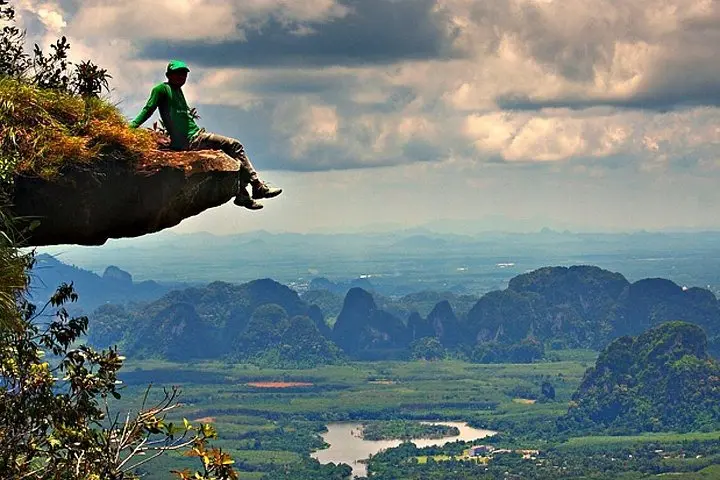
Geology here is blunt and old: Cretaceous limestone folded and pierced by caves, karst pillars rising from tidal flats. The temples carry a quieter history—centuries of Theravada practice and meditation, small monastic cells tucked into caves. Noppharat Thara Marine National Park offsets the shrine visits with open beach, tidal pools and mangrove fringe that anchors local fishing communities and a small market culture in Krabi town.
Expect short guided walks, several concrete stair sections and time for photos at Khao Khanap Nam and the beach. Nature has an active role: macaques move through the shade and shorebirds patrol the tidal flats; the sea will tease you but currents can be strong.
Practical edge: wear grippy shoes, bring sun protection and at least 1 liter of water, and carry modest clothing for temple etiquette (shoulders and knees covered). Plan morning departures to avoid heat and crowded stairs. Local guides handle logistics and hotel pickups, but bring Thai baht for market stalls and tips. This is a compact, 4‑hour introduction to Krabi’s geology, culture and coastline—an efficient primer before longer island or jungle explorations.
The tour is about 4 hours and typically includes Krabi town highlights: Khao Khanap Nam, Wat Sai Thai (Reclining Buddha), Wat Tham Sua (Tiger Cave Temple) and Noppharat Thara beach.
The site includes concrete stairs and uneven paths; the main valley area requires a steady walk and some climbing—take breaks and wear proper shoes.
Admission fees are included per the listing and drinking water is usually provided, but bringing your own bottle is recommended for the climb.
No special fitness is required, but participants should be able to walk, climb stairs and tolerate tropical heat for short periods.
Way to Bangkok operates guided outdoor trips and adventures with an emphasis on safety, stewardship, and memorable experiences.
The van eases out of Krabi town and the Andaman Coast opens like a page of limestone sketches—towering karsts, mangrove edges and the steady sea beyond. Within an hour you’re at Wat Sai Thai to see a 150‑year‑old Reclining Buddha, its calm face framed by teak trees; later the road narrows toward the ring of cliffs that hides Wat Tham Sua, the Tiger Cave Temple, where concrete steps climb to a central hollow and forested valley.
The van eases out of Krabi town and the Andaman Coast opens like a page of limestone sketches—towering karsts, mangrove edges and the steady sea beyond. Within an hour you’re at Wat Sai Thai to see a 150‑year‑old Reclining Buddha, its calm face framed by teak trees; later the road narrows toward the ring of cliffs that hides Wat Tham Sua, the Tiger Cave Temple, where concrete steps climb to a central hollow and forested valley.
Geology here is blunt and old: Cretaceous limestone folded and pierced by caves, karst pillars rising from tidal flats. The temples carry a quieter history—centuries of Theravada practice and meditation, small monastic cells tucked into caves. Noppharat Thara Marine National Park offsets the shrine visits with open beach, tidal pools and mangrove fringe that anchors local fishing communities and a small market culture in Krabi town.
Expect short guided walks, several concrete stair sections and time for photos at Khao Khanap Nam and the beach. Nature has an active role: macaques move through the shade and shorebirds patrol the tidal flats; the sea will tease you but currents can be strong.
Practical edge: wear grippy shoes, bring sun protection and at least 1 liter of water, and carry modest clothing for temple etiquette (shoulders and knees covered). Plan morning departures to avoid heat and crowded stairs. Local guides handle logistics and hotel pickups, but bring Thai baht for market stalls and tips. This is a compact, 4‑hour introduction to Krabi’s geology, culture and coastline—an efficient primer before longer island or jungle explorations.