THE ADVENTURE COLLECTIVE® · Independent discovery and booking for outdoor travel

Swap the beach for limestone walls and jungle tracks on this full-day Krabi adventure. Climb sea-carved cliffs, explore caves with ancient paintings, race ATVs through the interior and cool off in a clear spring canal—perfect for travelers who want action and local insight in one package.
Swap the beach for limestone walls and jungle tracks on this full-day Krabi adventure. Climb sea-carved cliffs, explore caves with ancient paintings, race ATVs through the interior and cool off in a clear spring canal—perfect for travelers who want action and local insight in one package.
The morning starts with a soundtrack of tuk-tuk diesel and distant surf as a minivan slips away from Ao Nang and climbs toward a wall of limestone. By the time ropes are clipped and helmets adjusted, sunlight is already fretting over sheer karst faces that rise like old ships out of jungle. Climbers step into the shade of an overhang and feel the rock cool and rough under their fingertips; ATVs sit waiting a short ride away, tires hungry for red-dirt singletrack.
Verified experiences and guided adventures in the surrounding area.
Operated by Phuket Patri Tour · Ao Nang, Krabi Province
The morning starts with a soundtrack of tuk-tuk diesel and distant surf as a minivan slips away from Ao Nang and climbs toward a wall of limestone. By the time ropes are clipped and helmets adjusted, sunlight is already fretting over sheer karst faces that rise like old ships out of jungle. Climbers step into the shade of an overhang and feel the rock cool and rough under their fingertips; ATVs sit waiting a short ride away, tires hungry for red-dirt singletrack.
This is a one-day stitch of contrasts: technical, vertical sections of sea-sculpted limestone, then the raw, noisy joy of tearing through jungle trails on four wheels. Krabi’s cliffs are made of ancient coral and marine sediments folded and uplifted over millions of years, the result a landscape of blind caves, narrow slots and cliff ledges perfect for both novice top-roping and steeper sport climbs. Within the karst, guides point out charcoal-streaked cave walls—remnants of prehistoric paintings and human use that speak to thousands of years of coastal habitation.
Local culture feels close: lunch is served under a palm canopy—Thai curry, sticky rice and smoky grilled fish—and conversations turn to tides, monsoons and the seasonal rhythms of the Andaman. Guides often come from nearby villages and bring practical knowledge: best tides for kayaking through hidden canals, and which trails are slippery after rain.
For practical planning, expect a full 8-hour day. Operators provide helmets, harnesses and ATVs, and experienced instructors run belays and safety briefings; prior climbing experience isn’t required, but a head for heights and basic mobility helps. Trails underfoot range from packed dirt to muddy ruts and occasional rocky sections; climbing routes are vertical to slightly overhanging limestone with good holds but sharp edges—gloves for ATV rides and finger-friendly skin for rock are both useful.
Timing matters. The dry season (November–March) gives the clearest conditions for climbing and kayaking; the southwest monsoon (May–October) brings heavy rain that can turn ATV tracks into red soup and make certain cave approaches slick.
Hydration and sun protection are non-negotiable—you’ll move from shaded caves to exposed ridges in an afternoon. Wear closed-toe shoes with good tread, bring a change of clothes for the spring canal dip and keep a small waterproof bag for phone and camera gear. Expect a physically active, safety-focused day: simple enough for motivated beginners, rewarding enough for adrenaline-seekers who want to trade a beach towel for rope work, off-road speed and a fresh-water dip.
No—routes and top-rope systems are set for beginners and all climbing is supervised by certified instructors.
Not recommended for children under 1 year, pregnant guests, people over 60 without medical clearance, or anyone with serious back/heart conditions; weight limits may apply for harnesses.
Yes—pickups are available from Phuket and Krabi-area hotels; after booking the operator confirms your pickup point and time.
The tour runs most days; heavy rain may prompt rescheduling for safety—cancel at least 24 hours for a full refund per operator policy.
An authentic Thai lunch, snacks and bottled water are included in the tour price.
Cameras are fine if protected in a dry bag; drones may be restricted near archaeological sites and local parks—check with the guide beforehand.
Phuket Patri Tour operates guided outdoor trips and adventures with an emphasis on safety, stewardship, and memorable experiences.
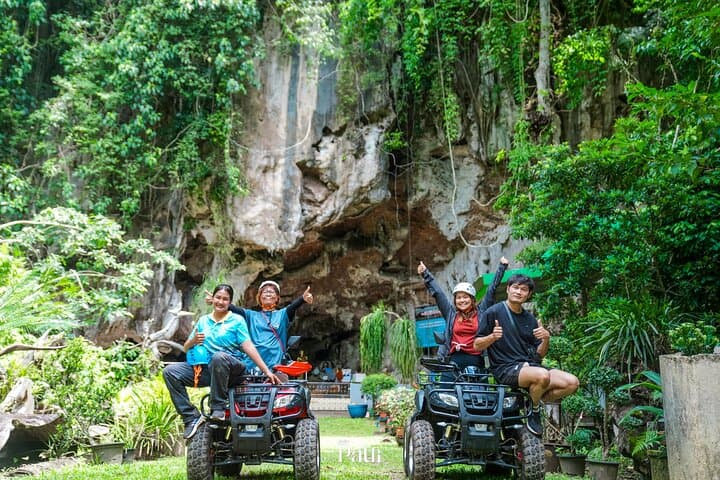
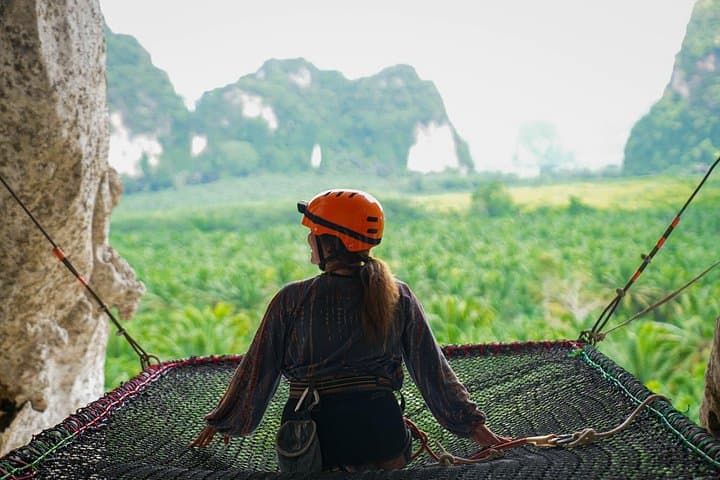
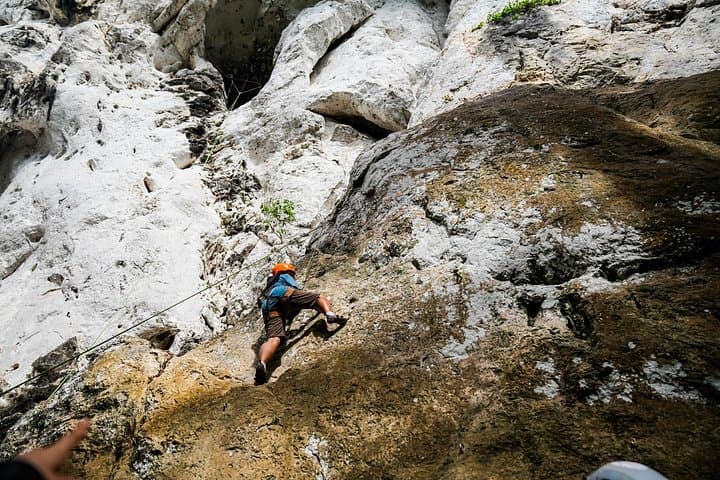
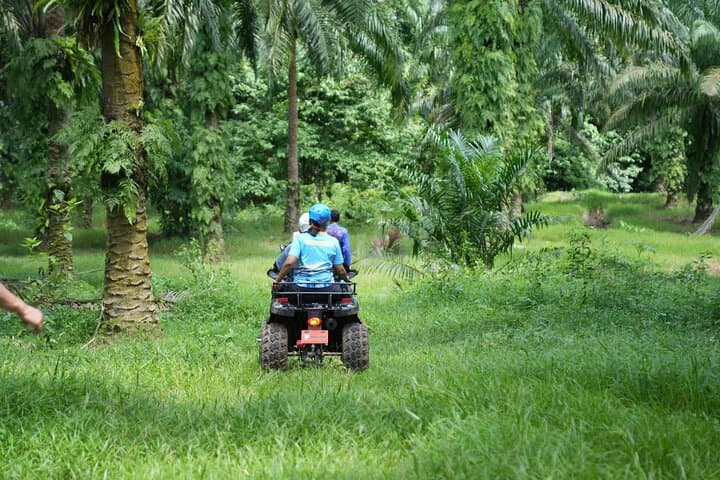
The morning starts with a soundtrack of tuk-tuk diesel and distant surf as a minivan slips away from Ao Nang and climbs toward a wall of limestone. By the time ropes are clipped and helmets adjusted, sunlight is already fretting over sheer karst faces that rise like old ships out of jungle. Climbers step into the shade of an overhang and feel the rock cool and rough under their fingertips; ATVs sit waiting a short ride away, tires hungry for red-dirt singletrack.
The morning starts with a soundtrack of tuk-tuk diesel and distant surf as a minivan slips away from Ao Nang and climbs toward a wall of limestone. By the time ropes are clipped and helmets adjusted, sunlight is already fretting over sheer karst faces that rise like old ships out of jungle. Climbers step into the shade of an overhang and feel the rock cool and rough under their fingertips; ATVs sit waiting a short ride away, tires hungry for red-dirt singletrack.
This is a one-day stitch of contrasts: technical, vertical sections of sea-sculpted limestone, then the raw, noisy joy of tearing through jungle trails on four wheels. Krabi’s cliffs are made of ancient coral and marine sediments folded and uplifted over millions of years, the result a landscape of blind caves, narrow slots and cliff ledges perfect for both novice top-roping and steeper sport climbs. Within the karst, guides point out charcoal-streaked cave walls—remnants of prehistoric paintings and human use that speak to thousands of years of coastal habitation.
Local culture feels close: lunch is served under a palm canopy—Thai curry, sticky rice and smoky grilled fish—and conversations turn to tides, monsoons and the seasonal rhythms of the Andaman. Guides often come from nearby villages and bring practical knowledge: best tides for kayaking through hidden canals, and which trails are slippery after rain.
For practical planning, expect a full 8-hour day. Operators provide helmets, harnesses and ATVs, and experienced instructors run belays and safety briefings; prior climbing experience isn’t required, but a head for heights and basic mobility helps. Trails underfoot range from packed dirt to muddy ruts and occasional rocky sections; climbing routes are vertical to slightly overhanging limestone with good holds but sharp edges—gloves for ATV rides and finger-friendly skin for rock are both useful.
Timing matters. The dry season (November–March) gives the clearest conditions for climbing and kayaking; the southwest monsoon (May–October) brings heavy rain that can turn ATV tracks into red soup and make certain cave approaches slick.
Hydration and sun protection are non-negotiable—you’ll move from shaded caves to exposed ridges in an afternoon. Wear closed-toe shoes with good tread, bring a change of clothes for the spring canal dip and keep a small waterproof bag for phone and camera gear. Expect a physically active, safety-focused day: simple enough for motivated beginners, rewarding enough for adrenaline-seekers who want to trade a beach towel for rope work, off-road speed and a fresh-water dip.