THE ADVENTURE COLLECTIVE® · Independent discovery and booking for outdoor travel

See Krakow’s Old Town, Kazimierz and the wartime ghetto in a quiet electric cart. This 2.5-hour route covers top sights and memorials with short walking stops—ideal for a compact, accessible introduction to the city’s layered history.
See Krakow’s Old Town, Kazimierz and the wartime ghetto in a quiet electric cart. This 2.5-hour route covers top sights and memorials with short walking stops—ideal for a compact, accessible introduction to the city’s layered history.
You ease into a silent electric cart and the medieval streets of Krakow begin to move past like pages from a history book—stone facades sliding under the cart’s low hum, church towers watching over narrow lanes.
Verified experiences and guided adventures in the surrounding area.
Operated by Cracow Boat · Krakow, Lesser Poland Voivodeship
You ease into a silent electric cart and the medieval streets of Krakow begin to move past like pages from a history book—stone facades sliding under the cart’s low hum, church towers watching over narrow lanes.
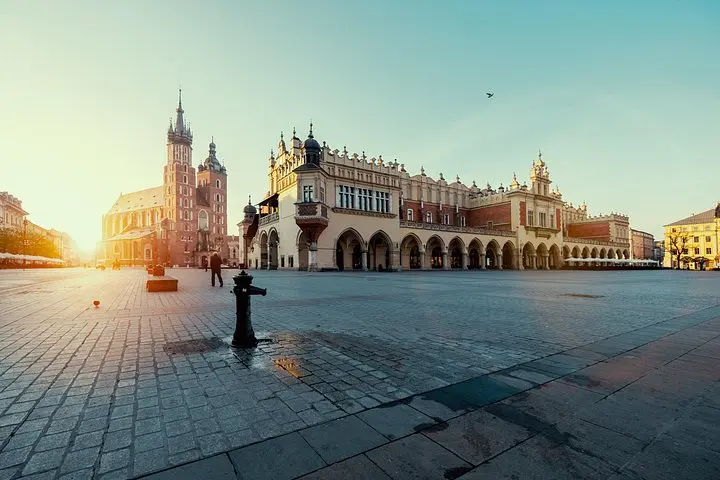
The route stitches together the Main Market Square, the Renaissance Cloth Hall, the vaulted interior of St. Mary’s from outside, and then crosses the river into Kazimierz—the centuries-old Jewish quarter whose synagogues and cobbled streets still hold the imprint of daily life and wartime rupture. From there the ride continues toward Podgórze and the traces of the wartime ghetto, past preserved wall fragments and memorials that mark sites of deportation and resistance.
Geology and urban form meet here: Wawel’s limestone rise gives the city its visual spine and the Vistula bends like a slow current, guiding the cart around viewpoints where the hill seems to guard the skyline. Cultural notes arrive fast—the mercantile energy of Sukiennice, the spiritual atmosphere of Tempel and Remuh synagogues, and the industrial shadow of Oskar Schindler’s Factory.
Practically: the tour runs about 2½ hours and covers a short driving loop of roughly 3–5 km with brief walking stops; expect a few dozen stone steps at viewpoints and museum entrances. The vehicle is quiet, wheelchair-accessible, and equipped with an audio system in English. Bring layers for wind along the river, charged camera gear, and respectful silence at memorial sites. This is a concentrated way to see Krakow’s layered past in one efficient, low-impact ride.
Yes — the electric vehicle and most surfaces on the route are listed as wheelchair accessible; notify the operator in advance so they can assist with boarding.
The included audio guide and English-speaking driver cover the tour; check availability for other languages when booking.
The route passes major sites including Schindler’s Factory externally; admission to museums is usually not included, so plan extra time if you want to enter.
The tour does not automatically cancel for rain; bring waterproof layers—confirm the operator’s policy for severe weather when booking and note the 24-hour full-refund cancellation window.
Cracow Boat operates guided outdoor trips and adventures with an emphasis on safety, stewardship, and memorable experiences.
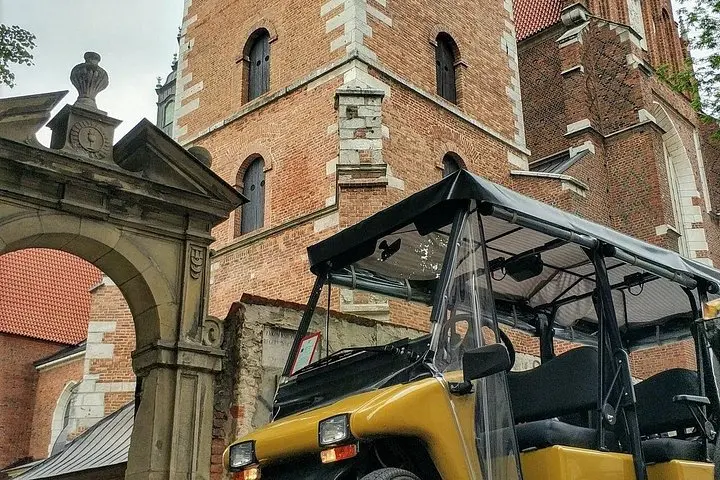
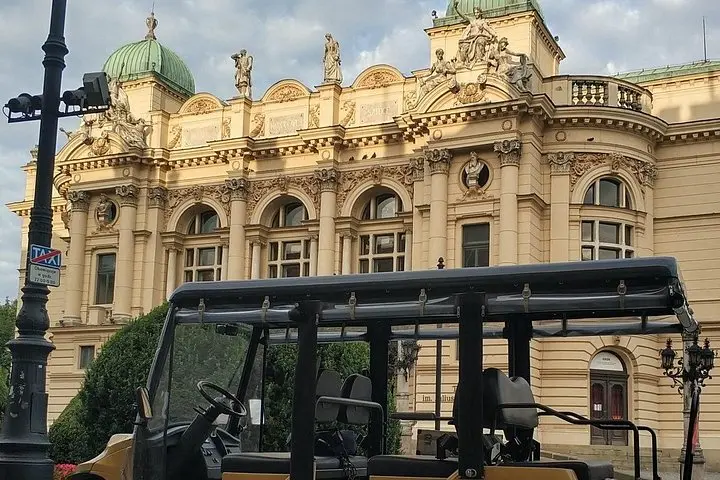
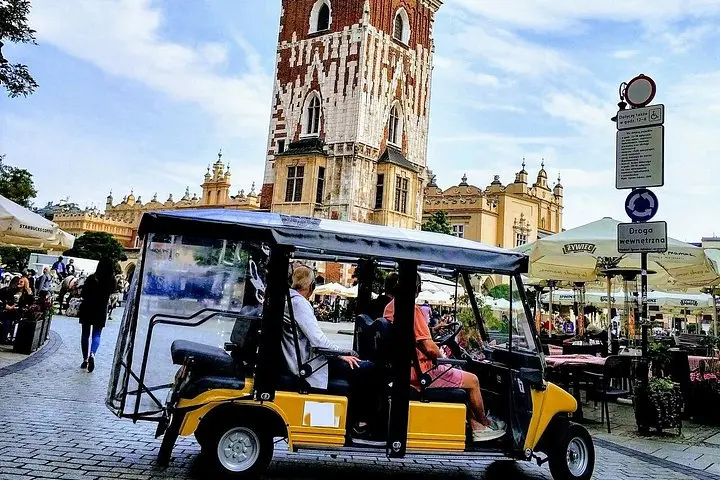
You ease into a silent electric cart and the medieval streets of Krakow begin to move past like pages from a history book—stone facades sliding under the cart’s low hum, church towers watching over narrow lanes.
You ease into a silent electric cart and the medieval streets of Krakow begin to move past like pages from a history book—stone facades sliding under the cart’s low hum, church towers watching over narrow lanes.
The route stitches together the Main Market Square, the Renaissance Cloth Hall, the vaulted interior of St. Mary’s from outside, and then crosses the river into Kazimierz—the centuries-old Jewish quarter whose synagogues and cobbled streets still hold the imprint of daily life and wartime rupture. From there the ride continues toward Podgórze and the traces of the wartime ghetto, past preserved wall fragments and memorials that mark sites of deportation and resistance.
Geology and urban form meet here: Wawel’s limestone rise gives the city its visual spine and the Vistula bends like a slow current, guiding the cart around viewpoints where the hill seems to guard the skyline. Cultural notes arrive fast—the mercantile energy of Sukiennice, the spiritual atmosphere of Tempel and Remuh synagogues, and the industrial shadow of Oskar Schindler’s Factory.
Practically: the tour runs about 2½ hours and covers a short driving loop of roughly 3–5 km with brief walking stops; expect a few dozen stone steps at viewpoints and museum entrances. The vehicle is quiet, wheelchair-accessible, and equipped with an audio system in English. Bring layers for wind along the river, charged camera gear, and respectful silence at memorial sites. This is a concentrated way to see Krakow’s layered past in one efficient, low-impact ride.