THE ADVENTURE COLLECTIVE® · Independent discovery and booking for outdoor travel

A focused three-hour walk through Krakow’s UNESCO Old Town, visiting St. Mary’s Basilica, the Cloth Hall, Wawel Castle exteriors and Rynek Główny. Ideal for first-time visitors who want historical context, architectural detail and local tips for further exploration.
A focused three-hour walk through Krakow’s UNESCO Old Town, visiting St. Mary’s Basilica, the Cloth Hall, Wawel Castle exteriors and Rynek Główny. Ideal for first-time visitors who want historical context, architectural detail and local tips for further exploration.
You step out onto Rynek Główny and the square opens like a living map: tram clatter at the edge, vendors calling, and the twin towers of St. Mary’s Basilica cutting into the sky. The guide points out Veit Stoss’s altarpiece in the basilica and then leads the group toward the Cloth Hall, where centuries of commerce still echo beneath carved wooden stalls.
Verified experiences and guided adventures in the surrounding area.
Operated by Guydeez · Krakow, Lesser Poland Voivodeship
You step out onto Rynek Główny and the square opens like a living map: tram clatter at the edge, vendors calling, and the twin towers of St. Mary’s Basilica cutting into the sky. The guide points out Veit Stoss’s altarpiece in the basilica and then leads the group toward the Cloth Hall, where centuries of commerce still echo beneath carved wooden stalls.
Krakow’s Old Town is a UNESCO-listed core that preserves layers of medieval, Renaissance and Baroque fabric: Wawel Hill’s stonework traces royal power; Kanonicza Street keeps the hush of canon residences; the Underground Museum under the market square exposes Romanesque and medieval stratigraphy. The Vistula threads near the castle, a steady presence that shaped trade and defense.
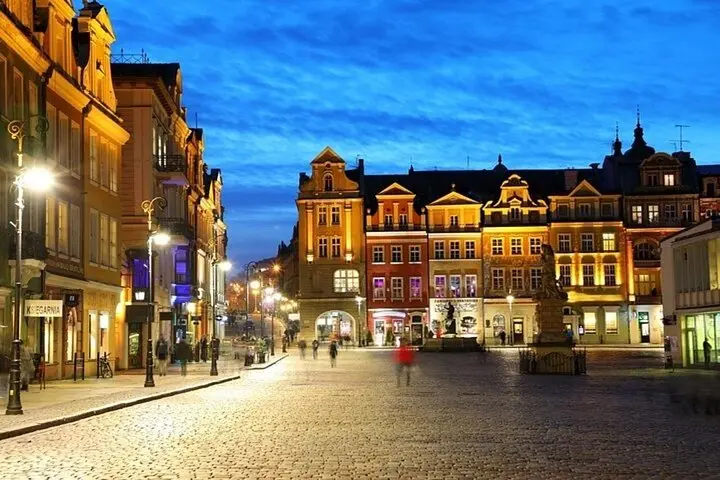
Expect close-packed streets, cobbled pavements and architectural details at eye level—church facades, decorative portals and small courtyards that reward a slower pace. Guides typically sketch political history (Krakow as Poland’s pre-modern capital), point out artistic figures like Wyspiański, and flag local crafts at the Cloth Hall.
Practical guidance: tours run about three hours on mostly flat, paved surfaces; comfortable shoes and layered clothing are wise for changing weather. If you plan interior visits to Wawel or museums, reserve separate tickets—this walking tour focuses on exterior interpretation and public spaces. Bring a water bottle, carry a small amount of cash for market purchases and leave bulky luggage at your hotel—Old Town streets are lively but compact.
No—this walking tour focuses on exterior interpretation and public spaces; interior visits require separate tickets which guides can help arrange.
The route is on paved city streets and is described as wheelchair accessible, but some interiors or cobbled sections may be uneven—contact the operator to confirm access needs.
Guides are offered in English, Spanish or French; private or small-group options can be requested and sometimes customized.
Full refunds are available if you cancel at least 24 hours before the scheduled departure time; check the booking confirmation for specifics.
Guydeez operates guided outdoor trips and adventures with an emphasis on safety, stewardship, and memorable experiences.
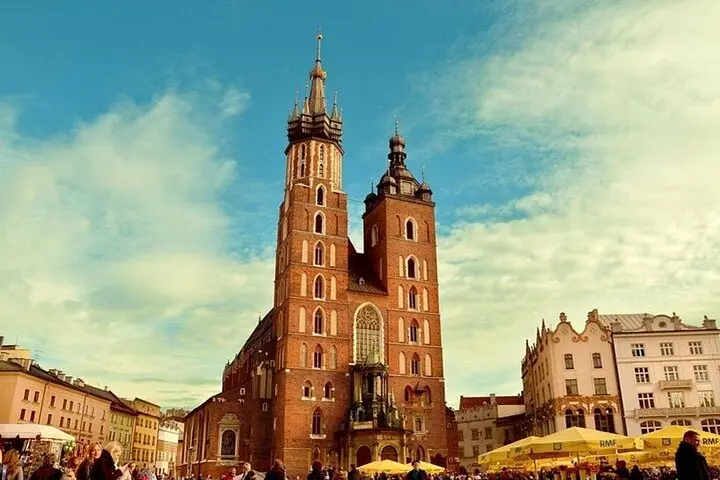
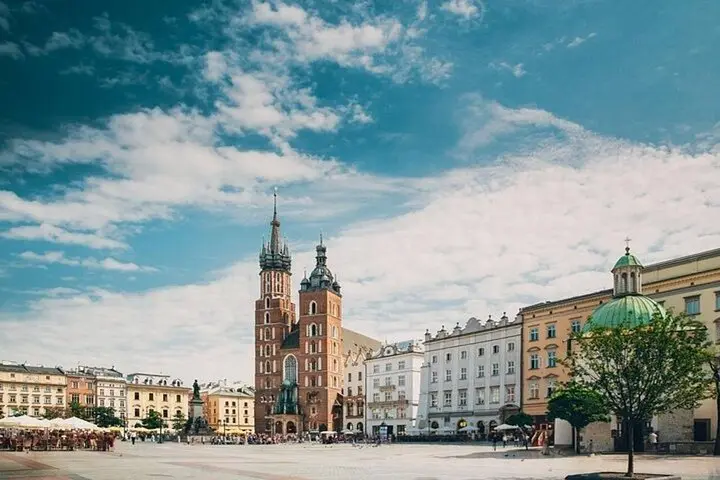
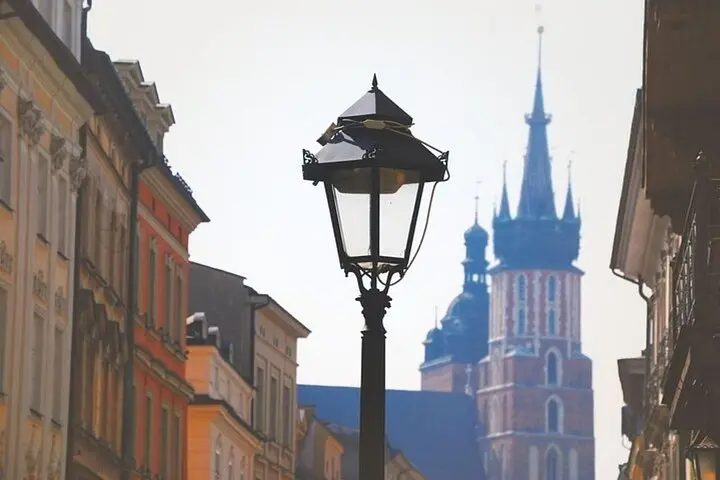
You step out onto Rynek Główny and the square opens like a living map: tram clatter at the edge, vendors calling, and the twin towers of St. Mary’s Basilica cutting into the sky. The guide points out Veit Stoss’s altarpiece in the basilica and then leads the group toward the Cloth Hall, where centuries of commerce still echo beneath carved wooden stalls.
You step out onto Rynek Główny and the square opens like a living map: tram clatter at the edge, vendors calling, and the twin towers of St. Mary’s Basilica cutting into the sky. The guide points out Veit Stoss’s altarpiece in the basilica and then leads the group toward the Cloth Hall, where centuries of commerce still echo beneath carved wooden stalls.
Krakow’s Old Town is a UNESCO-listed core that preserves layers of medieval, Renaissance and Baroque fabric: Wawel Hill’s stonework traces royal power; Kanonicza Street keeps the hush of canon residences; the Underground Museum under the market square exposes Romanesque and medieval stratigraphy. The Vistula threads near the castle, a steady presence that shaped trade and defense.
Expect close-packed streets, cobbled pavements and architectural details at eye level—church facades, decorative portals and small courtyards that reward a slower pace. Guides typically sketch political history (Krakow as Poland’s pre-modern capital), point out artistic figures like Wyspiański, and flag local crafts at the Cloth Hall.
Practical guidance: tours run about three hours on mostly flat, paved surfaces; comfortable shoes and layered clothing are wise for changing weather. If you plan interior visits to Wawel or museums, reserve separate tickets—this walking tour focuses on exterior interpretation and public spaces. Bring a water bottle, carry a small amount of cash for market purchases and leave bulky luggage at your hotel—Old Town streets are lively but compact.