THE ADVENTURE COLLECTIVE® · Independent discovery and booking for outdoor travel

Spend a full day moving from Krakow’s medieval streets to royal Wawel Hill and beneath the earth at Wieliczka Salt Mine. This guided tour mixes compact transit, live and audio guiding, and a two-course lunch for a comprehensive cultural day.
Spend a full day moving from Krakow’s medieval streets to royal Wawel Hill and beneath the earth at Wieliczka Salt Mine. This guided tour mixes compact transit, live and audio guiding, and a two-course lunch for a comprehensive cultural day.
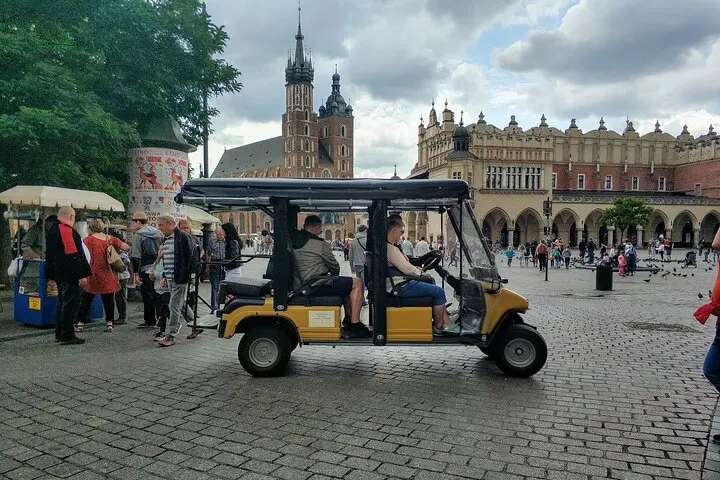
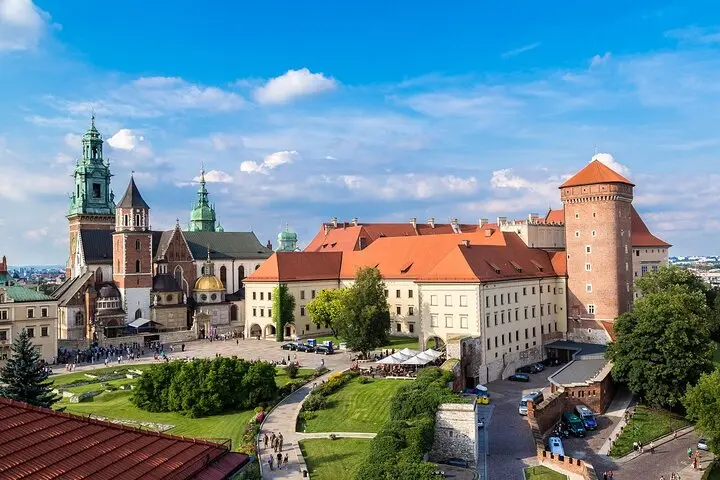
The day opens on a cool, cobbled square: tram bells, vendors arranging amber and paper maps, and an electric trolley idling while an audio guide sets the scene. Visitors glide past the Market Square’s arcades, under the watchful figure of St. Mary’s Church, then climb Wawel Hill where stone terraces and a fortified castle look over the Vistula like an old ruler assessing its domain.
Verified experiences and guided adventures in the surrounding area.
Operated by Intercrac Sp. z o.o. · Krakow, Lesser Poland Voivodeship
The day opens on a cool, cobbled square: tram bells, vendors arranging amber and paper maps, and an electric trolley idling while an audio guide sets the scene. Visitors glide past the Market Square’s arcades, under the watchful figure of St. Mary’s Church, then climb Wawel Hill where stone terraces and a fortified castle look over the Vistula like an old ruler assessing its domain.
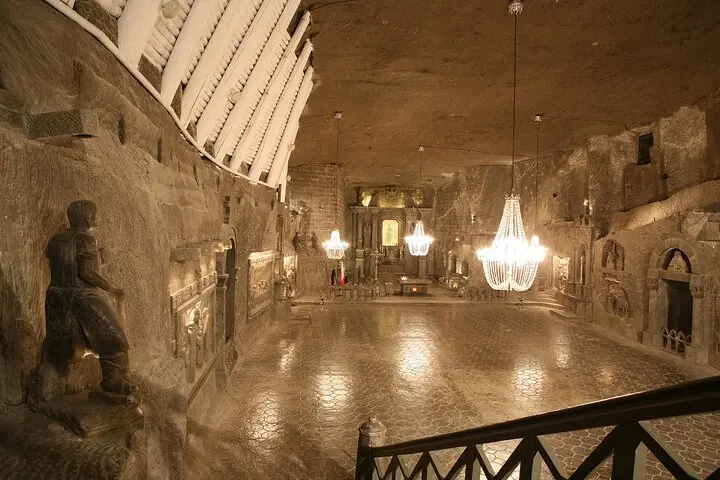
Krakow grew around trade and learning; the Old Town is a medieval grid that preserves layers of Austro-Hungarian, Polish royal and academic histories. Wawel is both a royal residence and a cathedral complex, its chapels and tombs marking centuries of Polish statehood. Geologically, Wieliczka’s salt mine—a short ride away—takes you into Pleistocene deposits carved by human hands into chapels and chandeliers of halite; the mine’s constant 14–16°C and high humidity create a distinct underground climate.
Cultural notes: expect religious dress codes at the cathedral, and listen for the hejnał bugle call from St. Mary’s. The Wieliczka route covers carved salt chambers including St. Kinga’s chapel and healthier-than-expected subterranean air historically used for sanatoria.
Practical guidance: the full itinerary runs roughly nine hours with several hours of walking and stair descent in the mine—good footwear and a light insulating layer are essential. Lunch is included; bring a small daypack, a refillable bottle, and any required IDs for museum entrances. If you value quieter moments, ask about scheduling the earliest departure to avoid afternoon crowds at the salt chambers.
Yes—this tour includes entrance to Wawel Cathedral and a standard tourist route ticket for the Wieliczka Salt Mine as described.
Yes—knees and shoulders must be covered for both men and women; you may be refused entry if not complying.
Children can join; infants 0–3 may have free admission but must sit on an adult’s lap during transport segments—confirm specifics at booking.
The mine involves descending and ascending many steps and walking up to several kilometers on varied surfaces—moderate fitness and comfortable footwear are recommended.
Intercrac Sp. z o.o. operates guided outdoor trips and adventures with an emphasis on safety, stewardship, and memorable experiences.

The day opens on a cool, cobbled square: tram bells, vendors arranging amber and paper maps, and an electric trolley idling while an audio guide sets the scene. Visitors glide past the Market Square’s arcades, under the watchful figure of St. Mary’s Church, then climb Wawel Hill where stone terraces and a fortified castle look over the Vistula like an old ruler assessing its domain.
The day opens on a cool, cobbled square: tram bells, vendors arranging amber and paper maps, and an electric trolley idling while an audio guide sets the scene. Visitors glide past the Market Square’s arcades, under the watchful figure of St. Mary’s Church, then climb Wawel Hill where stone terraces and a fortified castle look over the Vistula like an old ruler assessing its domain.
Krakow grew around trade and learning; the Old Town is a medieval grid that preserves layers of Austro-Hungarian, Polish royal and academic histories. Wawel is both a royal residence and a cathedral complex, its chapels and tombs marking centuries of Polish statehood. Geologically, Wieliczka’s salt mine—a short ride away—takes you into Pleistocene deposits carved by human hands into chapels and chandeliers of halite; the mine’s constant 14–16°C and high humidity create a distinct underground climate.
Cultural notes: expect religious dress codes at the cathedral, and listen for the hejnał bugle call from St. Mary’s. The Wieliczka route covers carved salt chambers including St. Kinga’s chapel and healthier-than-expected subterranean air historically used for sanatoria.
Practical guidance: the full itinerary runs roughly nine hours with several hours of walking and stair descent in the mine—good footwear and a light insulating layer are essential. Lunch is included; bring a small daypack, a refillable bottle, and any required IDs for museum entrances. If you value quieter moments, ask about scheduling the earliest departure to avoid afternoon crowds at the salt chambers.