THE ADVENTURE COLLECTIVE® · Independent discovery and booking for outdoor travel

See Krakow from the water on a short Vistula catamaran cruise, then follow a guide into Podgórze to visit the somber grounds of the former Płaszów camp. This mixed boat-and-walk tour pairs panoramic city views with grounded historical context.
See Krakow from the water on a short Vistula catamaran cruise, then follow a guide into Podgórze to visit the somber grounds of the former Płaszów camp. This mixed boat-and-walk tour pairs panoramic city views with grounded historical context.
The Vistula guides you past Wawel’s rock face and into a wide ribbon of city light — the catamaran hums as you lean on the open rail and watch spires recede into river haze.
Verified experiences and guided adventures in the surrounding area.
Operated by Intercrac Sp. z o.o. · Krakow, Lesser Poland Voivodeship
The Vistula guides you past Wawel’s rock face and into a wide ribbon of city light — the catamaran hums as you lean on the open rail and watch spires recede into river haze.
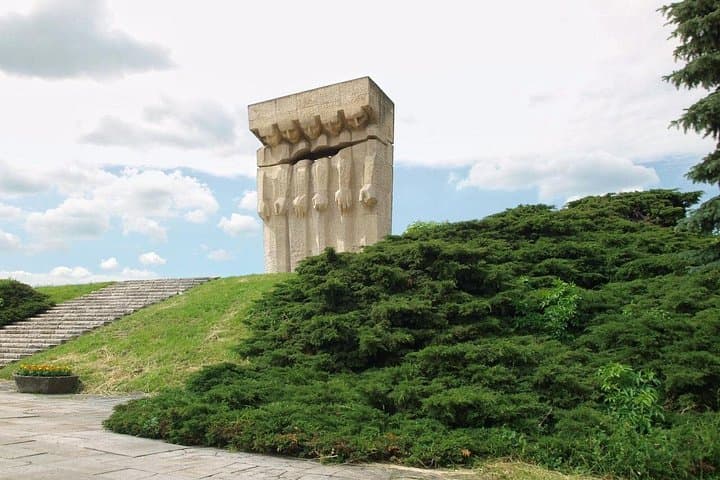
This short panoramic cruise gives a different axis on Krakow: Kościuszko Mound, the white cliffs of Skałka, the wave-shaped modern museum roofs and the long stone line of Wawel seen from water level. Disembark and the tone changes. A local guide leads you through Podgórze toward the site of the former Kraków-Płaszów camp, where memorial poles and sparse markers now signal a scarred landscape once dominated by forced labor and deportation during the Nazi occupation.
Geology here is plain — Jurassic limestone outcrops above the river, quarry scars that fed local industry — while culture folds in layers: medieval royal courts on the hill, 20th-century factories at the river’s edge, and postwar memorials. Film history overlaps reality; parts of Schindler’s List were shot nearby, adding a cinematic memory to the physical site.
Practically: the experience runs about 2–3 hours, mixing a roughly 40-minute one-way river cruise and a guided 60–90 minute walk. You’ll need comfortable shoes, weather layers and respect for solemn sites. Public transport connects endpoints; the tour typically provides a single tram ticket but not a return boat trip. Expect small groups, an English-speaking guide at Płaszów, and moments that ask for quiet reflection as much as sightseeing.
The meeting point is at the riverboat departure location in central Krakow; the tour finishes in the Podgórze area near the former Płaszów site — return transport is not included.
The river cruise is accessible, but the Płaszów site includes uneven terrain and limited paved paths; contact the operator in advance to discuss accommodations.
The cruise host may speak basic information, but the guided historical walk is provided in English as noted in the inclusions.
There are no museum admissions required for this itinerary; the tour includes a one-way boat ride and a tram ticket, but not additional paid entries.
Intercrac Sp. z o.o. operates guided outdoor trips and adventures with an emphasis on safety, stewardship, and memorable experiences.
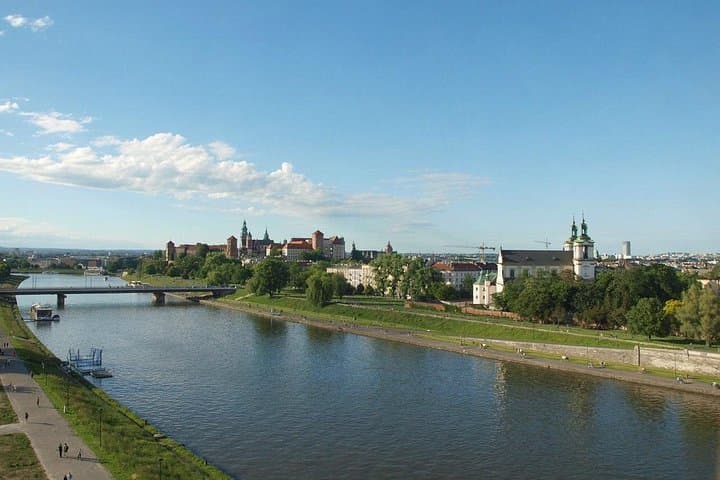
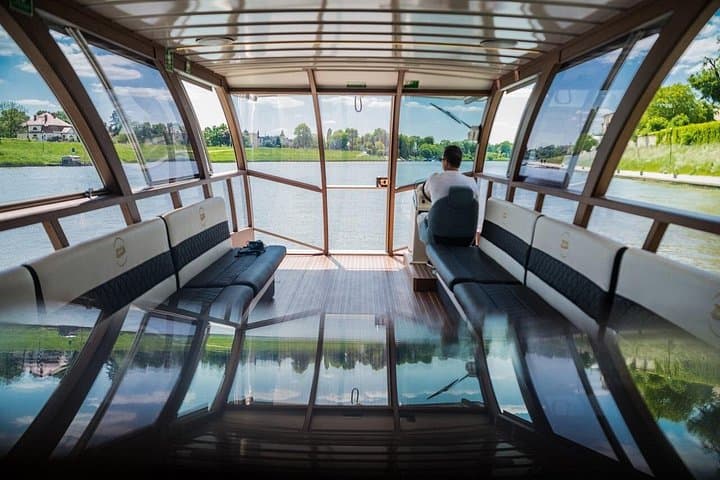
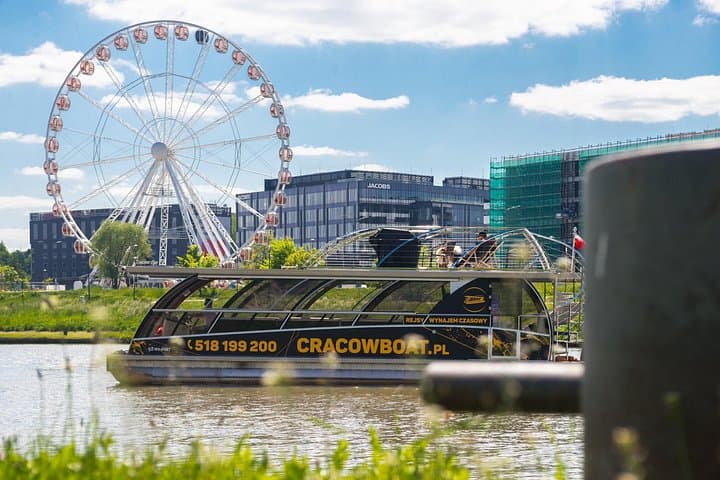
The Vistula guides you past Wawel’s rock face and into a wide ribbon of city light — the catamaran hums as you lean on the open rail and watch spires recede into river haze.
The Vistula guides you past Wawel’s rock face and into a wide ribbon of city light — the catamaran hums as you lean on the open rail and watch spires recede into river haze.
This short panoramic cruise gives a different axis on Krakow: Kościuszko Mound, the white cliffs of Skałka, the wave-shaped modern museum roofs and the long stone line of Wawel seen from water level. Disembark and the tone changes. A local guide leads you through Podgórze toward the site of the former Kraków-Płaszów camp, where memorial poles and sparse markers now signal a scarred landscape once dominated by forced labor and deportation during the Nazi occupation.
Geology here is plain — Jurassic limestone outcrops above the river, quarry scars that fed local industry — while culture folds in layers: medieval royal courts on the hill, 20th-century factories at the river’s edge, and postwar memorials. Film history overlaps reality; parts of Schindler’s List were shot nearby, adding a cinematic memory to the physical site.
Practically: the experience runs about 2–3 hours, mixing a roughly 40-minute one-way river cruise and a guided 60–90 minute walk. You’ll need comfortable shoes, weather layers and respect for solemn sites. Public transport connects endpoints; the tour typically provides a single tram ticket but not a return boat trip. Expect small groups, an English-speaking guide at Płaszów, and moments that ask for quiet reflection as much as sightseeing.