THE ADVENTURE COLLECTIVE® · Independent discovery and booking for outdoor travel

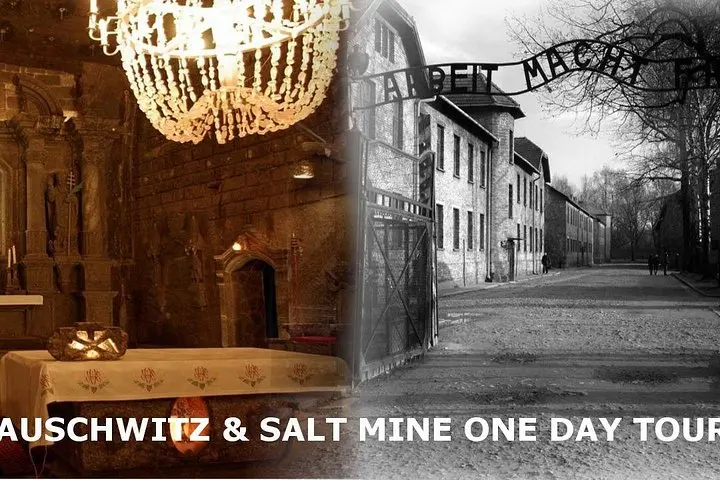
This full-day shared tour from Kraków pairs a solemn visit to Auschwitz-Birkenau with the subterranean galleries of the Wieliczka Salt Mine. Expect a historically intense morning and a geology-rich, stair-lined afternoon — a long but deeply informative day trip.
This full-day shared tour from Kraków pairs a solemn visit to Auschwitz-Birkenau with the subterranean galleries of the Wieliczka Salt Mine. Expect a historically intense morning and a geology-rich, stair-lined afternoon — a long but deeply informative day trip.
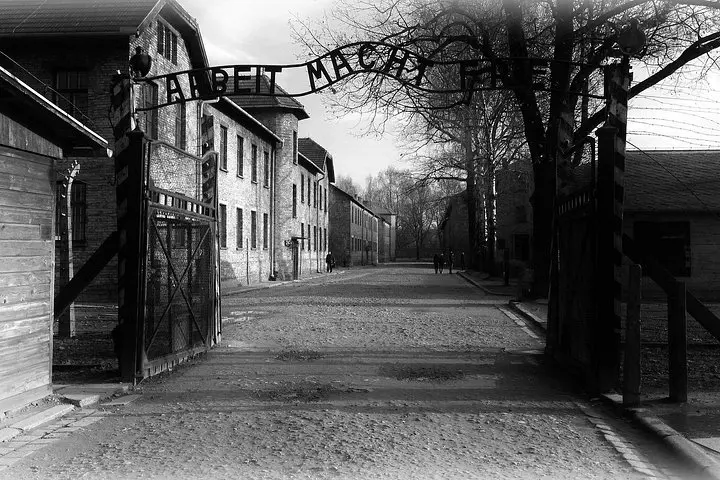
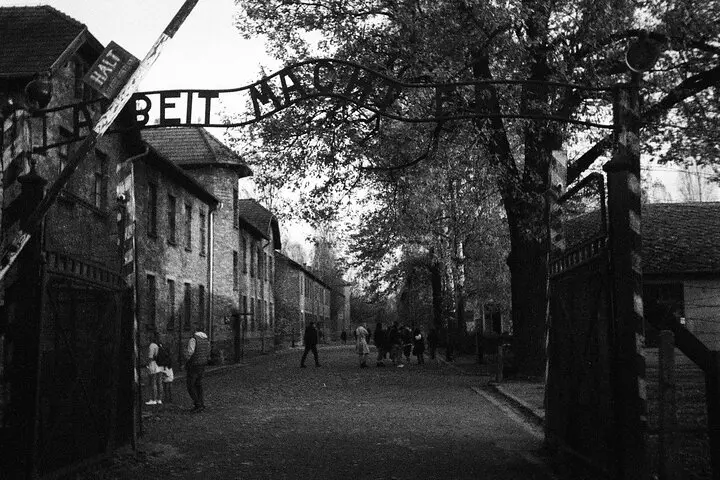
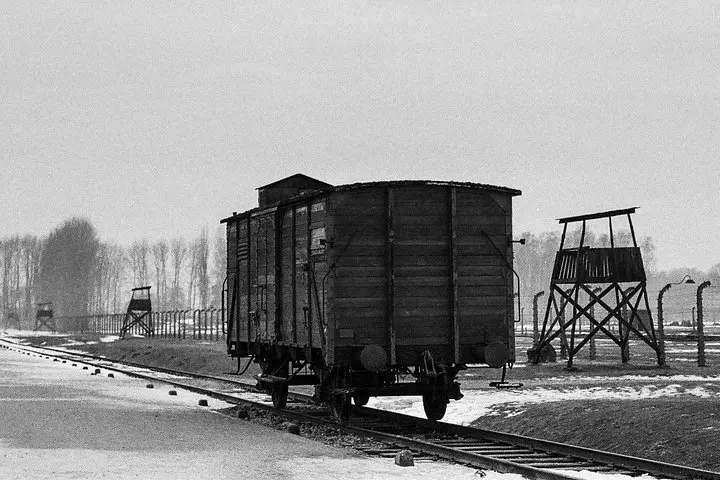
You step off the coach into an open square where morning light outlines crumbling barracks and the hush feels deliberate — Auschwitz-Birkenau does not invite small talk. The guided walk through gate and rail, through museum rooms and reconstructed barracks, is paced and somber; the site’s scale and quiet force attention before the tour moves on to a very different underground world.
Verified experiences and guided adventures in the surrounding area.
Operated by Auschwitz Tours · Kraków, Lesser Poland Voivodeship
You step off the coach into an open square where morning light outlines crumbling barracks and the hush feels deliberate — Auschwitz-Birkenau does not invite small talk. The guided walk through gate and rail, through museum rooms and reconstructed barracks, is paced and somber; the site’s scale and quiet force attention before the tour moves on to a very different underground world.
Auschwitz-Birkenau is a 20th-century site of industrialized atrocity; interpretation focuses on evidence, personal stories, and archival material. Wieliczka Salt Mine, by contrast, is a medieval-industrial marvel carved from halite, with chapels, sculptures, and chambers sculpted by miners over centuries. Geologically, the mine’s salt layers formed from an evaporated Miocene sea; over time miners revealed crystalized walls, underground lakes, and vast galleries.
Culturally, both sites are part of Poland’s layered past — one a memorial demanding silence and care, the other a UNESCO-listed space illustrating craft, pilgrimage, and local identity. Expect guided interpretation in English at both sites and opportunities to move between tightly scheduled indoor visits and short transfers.
Practical guidance: this is a long day (about 9–10 hours) with many stairs and uneven stone steps in the mine and sustained standing in the museum. Wear sturdy, non-slip shoes and bring a refillable water bottle; photography rules differ — respect memorial signage at Auschwitz and follow guide directions underground. Mobility is limited in parts of both sites; those with heart or pregnancy concerns should consult a physician. Book early for confirmed tickets and a morning pickup in Kraków to maximize time on site.
The tour runs about 9–10 hours; typical departures are in the morning with return to central Kraków in late afternoon or early evening.
Yes; there are strict rules about respectful behavior, banned photography in some areas, and limited touching of exhibits. Follow your guide and site signage.
Parts of the mine include many stairs and uneven surfaces; there is limited accessibility — contact the operator to discuss alternatives or reduced-mobility options.
Meals are not included; the itinerary allows short breaks and restroom stops, but bring snacks for the transfer periods.
Auschwitz Tours operates guided outdoor trips and adventures with an emphasis on safety, stewardship, and memorable experiences.
You step off the coach into an open square where morning light outlines crumbling barracks and the hush feels deliberate — Auschwitz-Birkenau does not invite small talk. The guided walk through gate and rail, through museum rooms and reconstructed barracks, is paced and somber; the site’s scale and quiet force attention before the tour moves on to a very different underground world.
You step off the coach into an open square where morning light outlines crumbling barracks and the hush feels deliberate — Auschwitz-Birkenau does not invite small talk. The guided walk through gate and rail, through museum rooms and reconstructed barracks, is paced and somber; the site’s scale and quiet force attention before the tour moves on to a very different underground world.
Auschwitz-Birkenau is a 20th-century site of industrialized atrocity; interpretation focuses on evidence, personal stories, and archival material. Wieliczka Salt Mine, by contrast, is a medieval-industrial marvel carved from halite, with chapels, sculptures, and chambers sculpted by miners over centuries. Geologically, the mine’s salt layers formed from an evaporated Miocene sea; over time miners revealed crystalized walls, underground lakes, and vast galleries.
Culturally, both sites are part of Poland’s layered past — one a memorial demanding silence and care, the other a UNESCO-listed space illustrating craft, pilgrimage, and local identity. Expect guided interpretation in English at both sites and opportunities to move between tightly scheduled indoor visits and short transfers.
Practical guidance: this is a long day (about 9–10 hours) with many stairs and uneven stone steps in the mine and sustained standing in the museum. Wear sturdy, non-slip shoes and bring a refillable water bottle; photography rules differ — respect memorial signage at Auschwitz and follow guide directions underground. Mobility is limited in parts of both sites; those with heart or pregnancy concerns should consult a physician. Book early for confirmed tickets and a morning pickup in Kraków to maximize time on site.