THE ADVENTURE COLLECTIVE® · Independent discovery and booking for outdoor travel

Spend a half- to full-day from Split exploring Skradinski Buk’s cascades and the compact, UNESCO-listed old town of Trogir. This private transfer pairs easy boardwalk hikes through Krka National Park with a cultural stroll and seaside meals in Trogir.
Spend a half- to full-day from Split exploring Skradinski Buk’s cascades and the compact, UNESCO-listed old town of Trogir. This private transfer pairs easy boardwalk hikes through Krka National Park with a cultural stroll and seaside meals in Trogir.
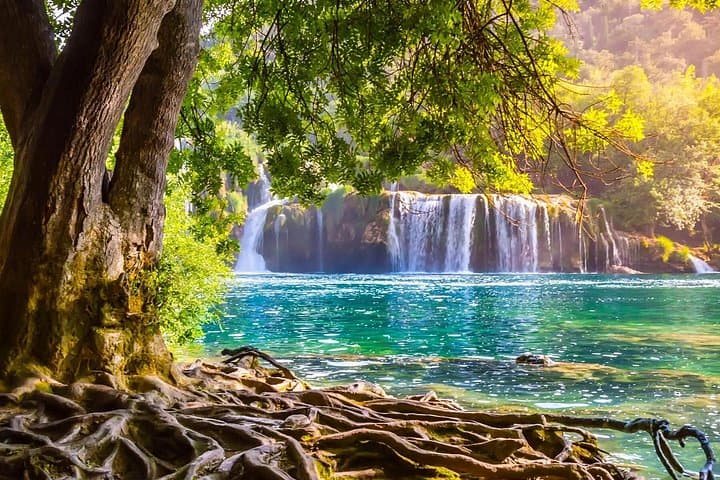
You arrive with the Adriatic wind still on your skin and the coach eases onto a narrow road where limestone cliffs funnel the river. At Krka, water takes the lead: broad curtains spill into turquoise pools and the river dares you to slow down. Walkways thread across the flow, bringing you face to face with Skradinski Buk’s tiered falls and spray that cools the air like a living mist.
Verified experiences and guided adventures in the surrounding area.
Operated by Tomas · Skradin, Split-Dalmatia County
You arrive with the Adriatic wind still on your skin and the coach eases onto a narrow road where limestone cliffs funnel the river. At Krka, water takes the lead: broad curtains spill into turquoise pools and the river dares you to slow down. Walkways thread across the flow, bringing you face to face with Skradinski Buk’s tiered falls and spray that cools the air like a living mist.
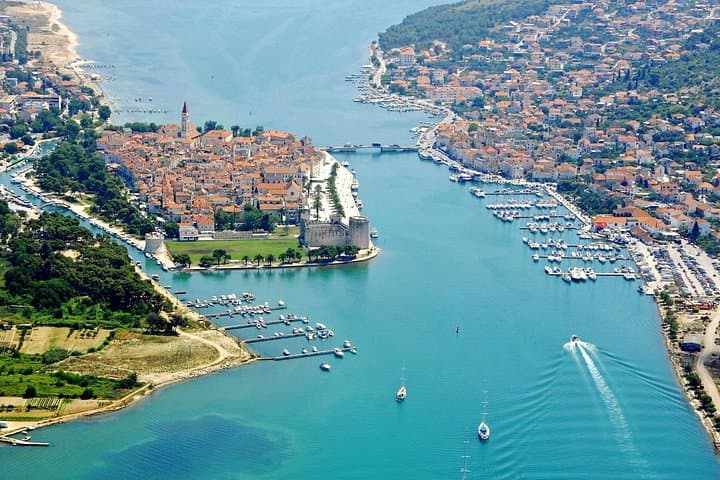
Geology here is obvious — karst limestone sculpted by centuries of runoff and seasonal floods, leaving travertine steps and pools that capture sunlight. The park’s human story runs alongside: watermills and river-side paths reflect local life shaped by the river, while downstream the UNESCO island-town of Trogir presents a different era — Hellenistic foundations, Venetian palaces and a Romanesque cathedral clustered on a fortified islet.
Expect easy, well-marked walking trails at Krka with wooden boardwalks and short stairs; time in Trogir is best spent wandering cobbled lanes, tasting Dalmatian seafood and scanning façades for Gothic and Renaissance details. Practical note: mornings and late afternoons offer cooler light and thinner crowds; bring layers and a refillable bottle, and allow 3–5 hours for the combined visit if you’re moving at a relaxed pace.
For families and day-trippers from Split, this route mixes quick nature immersion with a compact slice of coastal history — efficient, scenic, and distinctly Dalmatian.
Swimming policies vary by area and season; some sections of Krka are restricted to protect travertine formations—check current park rules and tour notes before planning to swim.
Drive time is roughly 1–1.5 hours from central Split to Krka (near Skradin) and about 30–40 minutes from Krka to Trogir, depending on traffic.
This itinerary notes admission is not included—confirm with the operator whether park fees are covered or payable on arrival.
Yes—boardwalks are stroller-accessible in many areas and operators often provide infant seats, but some cobbled streets in Trogir are uneven.
Tomas operates guided outdoor trips and adventures with an emphasis on safety, stewardship, and memorable experiences.


You arrive with the Adriatic wind still on your skin and the coach eases onto a narrow road where limestone cliffs funnel the river. At Krka, water takes the lead: broad curtains spill into turquoise pools and the river dares you to slow down. Walkways thread across the flow, bringing you face to face with Skradinski Buk’s tiered falls and spray that cools the air like a living mist.
You arrive with the Adriatic wind still on your skin and the coach eases onto a narrow road where limestone cliffs funnel the river. At Krka, water takes the lead: broad curtains spill into turquoise pools and the river dares you to slow down. Walkways thread across the flow, bringing you face to face with Skradinski Buk’s tiered falls and spray that cools the air like a living mist.
Geology here is obvious — karst limestone sculpted by centuries of runoff and seasonal floods, leaving travertine steps and pools that capture sunlight. The park’s human story runs alongside: watermills and river-side paths reflect local life shaped by the river, while downstream the UNESCO island-town of Trogir presents a different era — Hellenistic foundations, Venetian palaces and a Romanesque cathedral clustered on a fortified islet.
Expect easy, well-marked walking trails at Krka with wooden boardwalks and short stairs; time in Trogir is best spent wandering cobbled lanes, tasting Dalmatian seafood and scanning façades for Gothic and Renaissance details. Practical note: mornings and late afternoons offer cooler light and thinner crowds; bring layers and a refillable bottle, and allow 3–5 hours for the combined visit if you’re moving at a relaxed pace.
For families and day-trippers from Split, this route mixes quick nature immersion with a compact slice of coastal history — efficient, scenic, and distinctly Dalmatian.