THE ADVENTURE COLLECTIVE® · Independent discovery and booking for outdoor travel

Spend a long, attentive day chasing wildlife across Kruger’s varied plains and riverine thickets. This full-day safari from Maputo focuses on guided game drives, Big Five sightings, and practical border logistics for a seamless cross-border wildlife experience.
Spend a long, attentive day chasing wildlife across Kruger’s varied plains and riverine thickets. This full-day safari from Maputo focuses on guided game drives, Big Five sightings, and practical border logistics for a seamless cross-border wildlife experience.
Dawn breaks over the low acacia ridges as the vehicle threads a sandy track into Kruger National Park. The air smells of dust and green leaves; a hippo’s bellow from a distant river answers a lone bird’s call. For a full-day safari launched from Maputo, the day stretches into long, attentive hours of scanning shaded pans and riverine thickets where predators and grazers move with deliberate purpose.
Verified experiences and guided adventures in the surrounding area.
Operated by Maputo Tour Guides · Hazyview, Mpumalanga
Dawn breaks over the low acacia ridges as the vehicle threads a sandy track into Kruger National Park. The air smells of dust and green leaves; a hippo’s bellow from a distant river answers a lone bird’s call. For a full-day safari launched from Maputo, the day stretches into long, attentive hours of scanning shaded pans and riverine thickets where predators and grazers move with deliberate purpose.
Kruger is one of Africa’s oldest and largest protected reserves, carved from varied geology—granite outcrops, basalt plateaus and alluvial floodplains—that shape the park’s watering holes and wildlife corridors. The region’s cultures include Tsonga and Swazi communities, and township and safari histories that intersect with colonial and conservation eras.
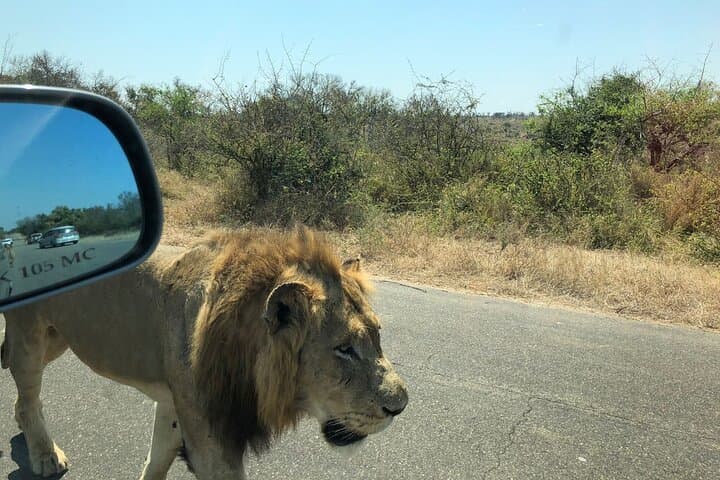
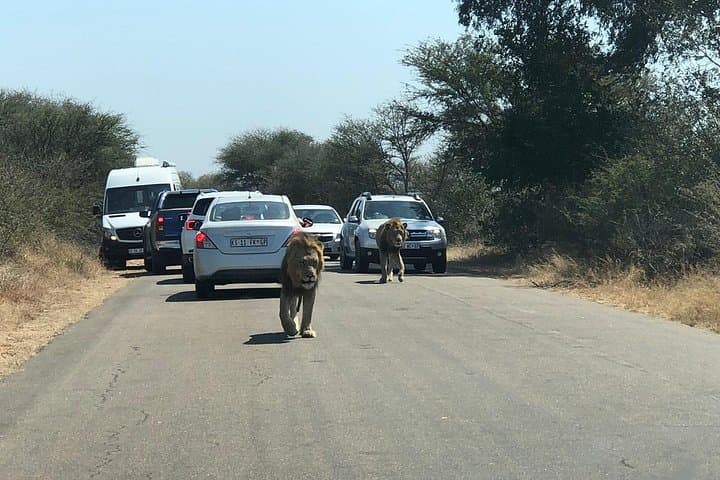
On a day trip, expect sustained game drives from morning into late afternoon, a guide narrating behavior and spoor while binoculars follow herds and mobs. Rivers dare you to spot crocodiles; mopane woodlands hold silent browsers. Sightings of the Big Five are common in large parts of Kruger, though no one can guarantee every species on a single day.
Practicals: tours run 11–12 hours, often cross the border at Lebombo/Crocodile Bridge when departing Maputo, so carry passports and any visa paperwork. Wear layered clothing for cool mornings and hot afternoons, bring sunscreen, insect repellent, and a good pair of binoculars. Cameras with a modest telephoto (200–400mm) work well from open safari vehicles. Hydration and patience reward observers—Kruger’s rhythm is slow, and the animals set the pace.
Visa requirements depend on your nationality—check South African entry rules before travel and carry your passport; the tour operator can advise on common-entry procedures.
Kruger offers strong chances to see many large species, but sightings are never guaranteed; success depends on season, luck, and animal movement.
Most full-day safaris include bottled water and snacks; confirm whether a light lunch is provided or if you should bring additional food.
The tour is generally suitable for families and older travelers but includes long hours in a vehicle; note restrictions for infants and travelers with certain health issues.
Maputo Tour Guides operates guided outdoor trips and adventures with an emphasis on safety, stewardship, and memorable experiences.
Dawn breaks over the low acacia ridges as the vehicle threads a sandy track into Kruger National Park. The air smells of dust and green leaves; a hippo’s bellow from a distant river answers a lone bird’s call. For a full-day safari launched from Maputo, the day stretches into long, attentive hours of scanning shaded pans and riverine thickets where predators and grazers move with deliberate purpose.
Dawn breaks over the low acacia ridges as the vehicle threads a sandy track into Kruger National Park. The air smells of dust and green leaves; a hippo’s bellow from a distant river answers a lone bird’s call. For a full-day safari launched from Maputo, the day stretches into long, attentive hours of scanning shaded pans and riverine thickets where predators and grazers move with deliberate purpose.
Kruger is one of Africa’s oldest and largest protected reserves, carved from varied geology—granite outcrops, basalt plateaus and alluvial floodplains—that shape the park’s watering holes and wildlife corridors. The region’s cultures include Tsonga and Swazi communities, and township and safari histories that intersect with colonial and conservation eras.
On a day trip, expect sustained game drives from morning into late afternoon, a guide narrating behavior and spoor while binoculars follow herds and mobs. Rivers dare you to spot crocodiles; mopane woodlands hold silent browsers. Sightings of the Big Five are common in large parts of Kruger, though no one can guarantee every species on a single day.
Practicals: tours run 11–12 hours, often cross the border at Lebombo/Crocodile Bridge when departing Maputo, so carry passports and any visa paperwork. Wear layered clothing for cool mornings and hot afternoons, bring sunscreen, insect repellent, and a good pair of binoculars. Cameras with a modest telephoto (200–400mm) work well from open safari vehicles. Hydration and patience reward observers—Kruger’s rhythm is slow, and the animals set the pace.