THE ADVENTURE COLLECTIVE® · Independent discovery and booking for outdoor travel

Head into the southern lowveld of Kruger National Park for a full-day game drive through diverse riverine and grassland habitat. Expect Big Five sightings, rich birdlife and strategic rest stops like Lower Sabie and Skukuza.
Head into the southern lowveld of Kruger National Park for a full-day game drive through diverse riverine and grassland habitat. Expect Big Five sightings, rich birdlife and strategic rest stops like Lower Sabie and Skukuza.
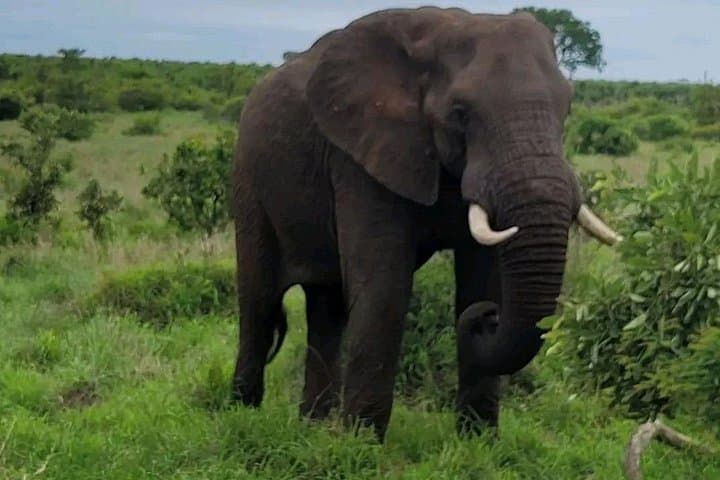
A low, warm light spills over the Crocodile River as you wait at the gate with a steaming cup of coffee in hand. Safari vehicles thread through fever trees and feverishly dry grass; the first trumpet of an elephant echoes from the distance and the day comes alive in patient, deliberate rhythms.
Verified experiences and guided adventures in the surrounding area.
Operated by Imfihlo Yengwe · Kruger National Park, Mpumalanga
A low, warm light spills over the Crocodile River as you wait at the gate with a steaming cup of coffee in hand. Safari vehicles thread through fever trees and feverishly dry grass; the first trumpet of an elephant echoes from the distance and the day comes alive in patient, deliberate rhythms.
Kruger’s landscape is shaped by ancient granite outcrops and lowveld sandstone, cut by rivers that have long guided both wildlife and people. Founded as a protected area in the late 19th century and expanded through the 20th, the park holds cultural ties to Tsonga and Swazi communities and stories of early conservation that shaped modern South Africa.
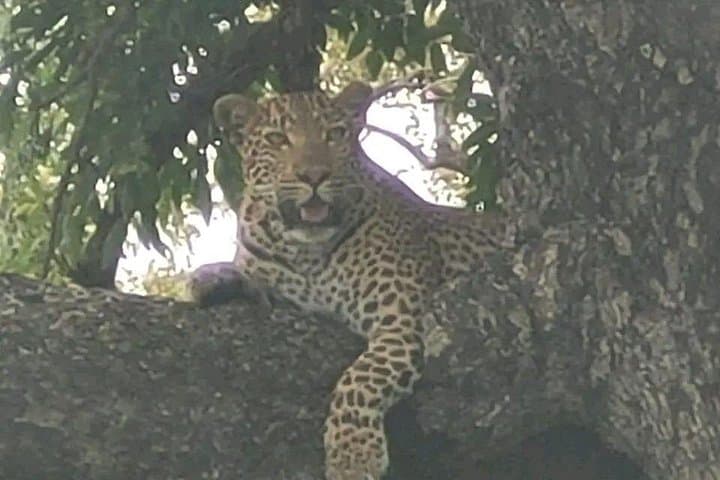
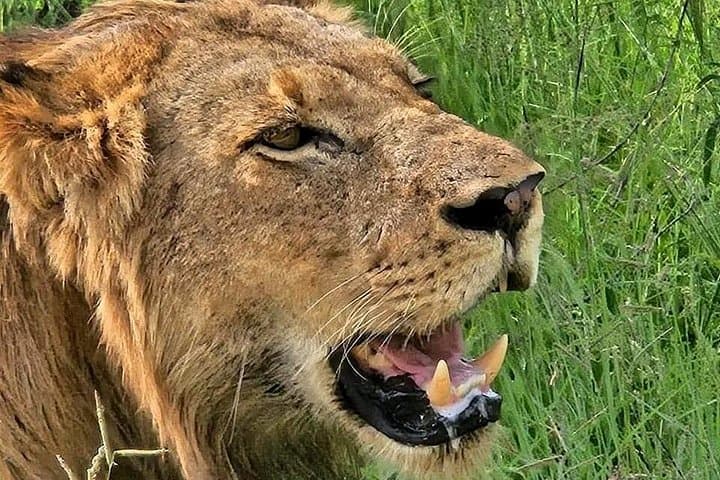
Wildlife here reads like a checklist—lions, leopards, elephants, buffalo and rhino—yet the smallest discoveries often linger longest: a secretive genet, a pair of African fish eagles, or a tortoise basking beside the road. Operators use gates such as Malelane and Crocodile Bridge to access the park’s southern grasslands and riverine habitats; daytime drives often stop at Lower Sabie, Skukuza and Pretoriuskop for viewpoints and refreshments.
Practical guide: arrive early for cooler light and active animals; dawn and dusk are prime. Dress in muted colors and layers, bring binoculars, plenty of water and sun protection, and a camera with a telephoto lens. Park rules require you to remain in the vehicle except at designated rest stops—respect that. Expect dusty roads, occasional long waits to observe big cats, and the constant possibility of surprise sightings. A full-day drive is six hours and covers varied terrain; fuel, park fees, and gate times should be confirmed before departure.
This experience runs about six hours for a full-day drive; operators also offer shorter dawn or dusk options—confirm duration when booking.
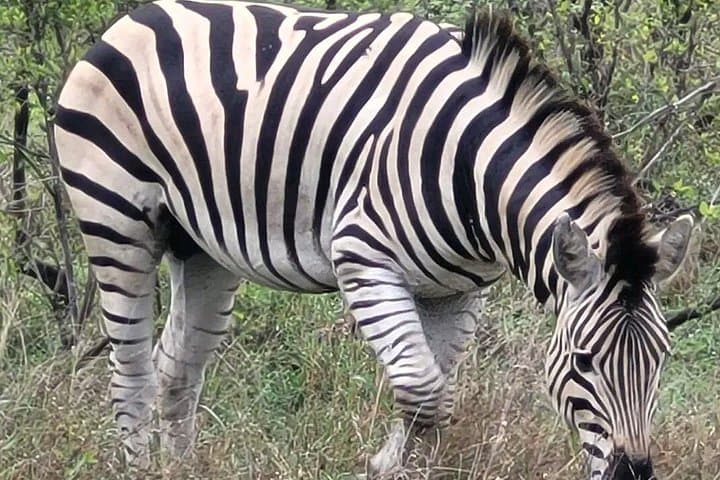
Sightings vary daily but commonly include elephants, buffalo, lions, giraffes, zebras and a wide variety of birds; leopards and rhinos are possible but less predictable.
Yes—operators note stroller access and infant seats; children must follow park rules and remain in the vehicle except at designated rest stops.
Park entrance fees and permits are required and may be included in the tour price—verify with the operator and carry identification for gate processing.
Imfihlo Yengwe operates guided outdoor trips and adventures with an emphasis on safety, stewardship, and memorable experiences.
A low, warm light spills over the Crocodile River as you wait at the gate with a steaming cup of coffee in hand. Safari vehicles thread through fever trees and feverishly dry grass; the first trumpet of an elephant echoes from the distance and the day comes alive in patient, deliberate rhythms.
A low, warm light spills over the Crocodile River as you wait at the gate with a steaming cup of coffee in hand. Safari vehicles thread through fever trees and feverishly dry grass; the first trumpet of an elephant echoes from the distance and the day comes alive in patient, deliberate rhythms.
Kruger’s landscape is shaped by ancient granite outcrops and lowveld sandstone, cut by rivers that have long guided both wildlife and people. Founded as a protected area in the late 19th century and expanded through the 20th, the park holds cultural ties to Tsonga and Swazi communities and stories of early conservation that shaped modern South Africa.
Wildlife here reads like a checklist—lions, leopards, elephants, buffalo and rhino—yet the smallest discoveries often linger longest: a secretive genet, a pair of African fish eagles, or a tortoise basking beside the road. Operators use gates such as Malelane and Crocodile Bridge to access the park’s southern grasslands and riverine habitats; daytime drives often stop at Lower Sabie, Skukuza and Pretoriuskop for viewpoints and refreshments.
Practical guide: arrive early for cooler light and active animals; dawn and dusk are prime. Dress in muted colors and layers, bring binoculars, plenty of water and sun protection, and a camera with a telephoto lens. Park rules require you to remain in the vehicle except at designated rest stops—respect that. Expect dusty roads, occasional long waits to observe big cats, and the constant possibility of surprise sightings. A full-day drive is six hours and covers varied terrain; fuel, park fees, and gate times should be confirmed before departure.