THE ADVENTURE COLLECTIVE® · Independent discovery and booking for outdoor travel

Step off the vehicle and into Kruger’s early light on a guided morning walk that prioritizes close, quiet encounters and interpretation. Learn tracks, calls and behavior while moving through mopane and riverine edge with an experienced guide.
Step off the vehicle and into Kruger’s early light on a guided morning walk that prioritizes close, quiet encounters and interpretation. Learn tracks, calls and behavior while moving through mopane and riverine edge with an experienced guide.
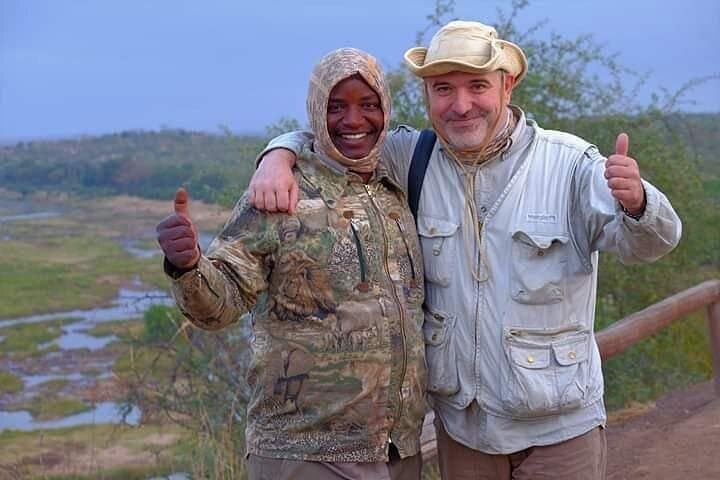
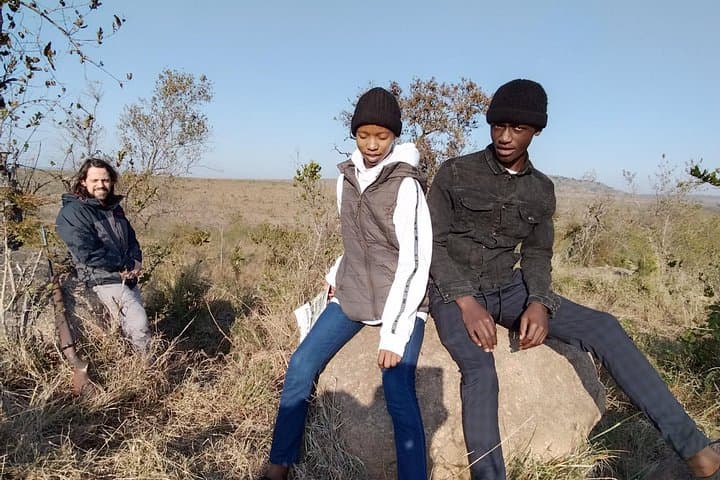
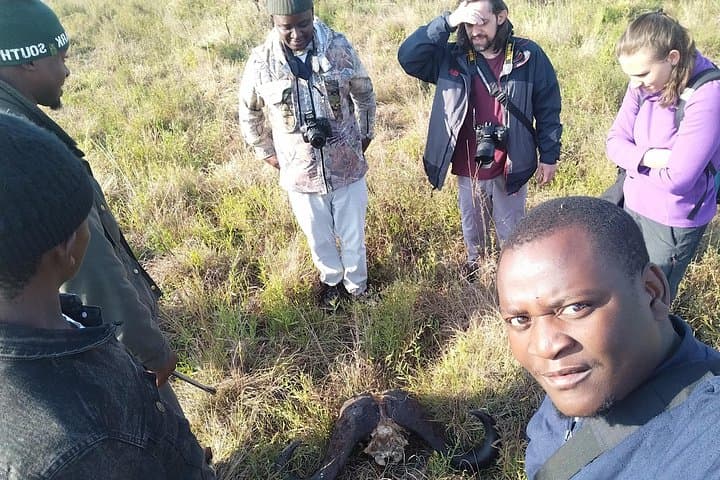
Dawn breaks over the low acacia and mopane trees as a small group leaves the vehicle and steps quietly onto the dust—this is the rhythm of a Kruger morning walk. The guide’s boots whisper on the path, and the scrub answers with the distant shake of branches as elephant herds move through. Walking here compresses time: scents, tracks and calls arrive sharper than from a vehicle, and animals occasionally grant close, brief encounters.
Verified experiences and guided adventures in the surrounding area.
Operated by Kruger Via Canyon Safaris · Hazyview, Mpumalanga
Dawn breaks over the low acacia and mopane trees as a small group leaves the vehicle and steps quietly onto the dust—this is the rhythm of a Kruger morning walk. The guide’s boots whisper on the path, and the scrub answers with the distant shake of branches as elephant herds move through. Walking here compresses time: scents, tracks and calls arrive sharper than from a vehicle, and animals occasionally grant close, brief encounters.
Kruger, established in 1926, is one of Africa’s oldest and largest reserves, its landscape shaped by ancient baobabs, granite outcrops and the Sabie–Olifants drainage that feeds seasonal pans. The park’s human history spans Tsonga and Sotho peoples, early gold routes and evolving conservation efforts that now focus on landscape-scale management and anti-poaching.
On a guided morning walk you’ll move at a measured pace—following spoor, learning behavior cues and listening for bird alarms. Expect mixed terrain: hard-packed roads, sandy tracks and short, uneven cross-country sections with minimal elevation change. The experience favors alertness over speed; sightings range from impala and zebra to elephant and, when luck aligns, a distant lion or leopard sign.
Practical guidance: wear sturdy hiking shoes, dress in muted layers for cool starts, carry at least 1–2 liters of water and sun protection, and keep a small daypack for optics and snacks (inclusions typically cover light snacks and park entry). Walks are guided and limited-group; listen closely to the ranger—safety and conservation are constant priorities. Morning timing maximizes activity and light; come prepared to move quietly, scan methodically and let the bush dictate the pace.
Guides maintain safe distances; close encounters with curious herbivores can happen, but rules and ranger direction control approach to predators.
Tours typically require participants to be physically capable and mature enough to follow guide instructions; check operator age policies when booking.
Standard inclusions are park entry fees and light snacks; confirm pickup details and any transfers at booking.
Weather varies by season—cool, dry mornings in winter (May–Aug) and hot, sometimes rainy conditions in summer (Nov–Mar); dress in layers and bring rain protection if visiting in summer.
Kruger Via Canyon Safaris operates guided outdoor trips and adventures with an emphasis on safety, stewardship, and memorable experiences.

Dawn breaks over the low acacia and mopane trees as a small group leaves the vehicle and steps quietly onto the dust—this is the rhythm of a Kruger morning walk. The guide’s boots whisper on the path, and the scrub answers with the distant shake of branches as elephant herds move through. Walking here compresses time: scents, tracks and calls arrive sharper than from a vehicle, and animals occasionally grant close, brief encounters.
Dawn breaks over the low acacia and mopane trees as a small group leaves the vehicle and steps quietly onto the dust—this is the rhythm of a Kruger morning walk. The guide’s boots whisper on the path, and the scrub answers with the distant shake of branches as elephant herds move through. Walking here compresses time: scents, tracks and calls arrive sharper than from a vehicle, and animals occasionally grant close, brief encounters.
Kruger, established in 1926, is one of Africa’s oldest and largest reserves, its landscape shaped by ancient baobabs, granite outcrops and the Sabie–Olifants drainage that feeds seasonal pans. The park’s human history spans Tsonga and Sotho peoples, early gold routes and evolving conservation efforts that now focus on landscape-scale management and anti-poaching.
On a guided morning walk you’ll move at a measured pace—following spoor, learning behavior cues and listening for bird alarms. Expect mixed terrain: hard-packed roads, sandy tracks and short, uneven cross-country sections with minimal elevation change. The experience favors alertness over speed; sightings range from impala and zebra to elephant and, when luck aligns, a distant lion or leopard sign.
Practical guidance: wear sturdy hiking shoes, dress in muted layers for cool starts, carry at least 1–2 liters of water and sun protection, and keep a small daypack for optics and snacks (inclusions typically cover light snacks and park entry). Walks are guided and limited-group; listen closely to the ranger—safety and conservation are constant priorities. Morning timing maximizes activity and light; come prepared to move quietly, scan methodically and let the bush dictate the pace.