THE ADVENTURE COLLECTIVE® · Independent discovery and booking for outdoor travel

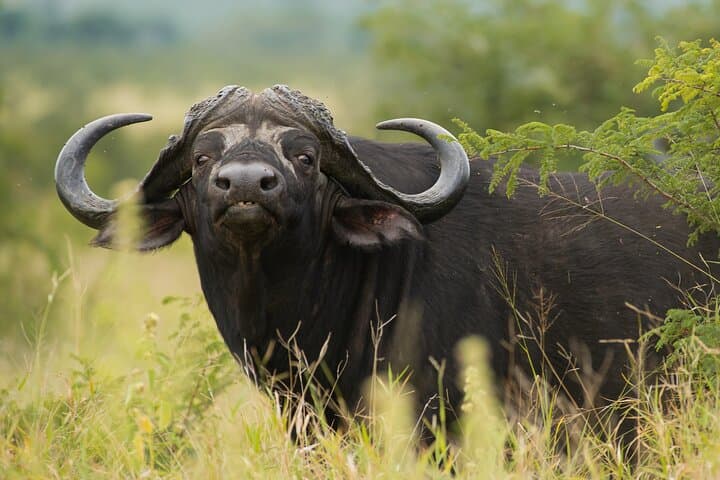
Spend a day with a private guide driving Kruger’s roads in search of the Big Five. This full-day safari combines focused wildlife viewing, local insights, and a midday break at a park restaurant.
Spend a day with a private guide driving Kruger’s roads in search of the Big Five. This full-day safari combines focused wildlife viewing, local insights, and a midday break at a park restaurant.
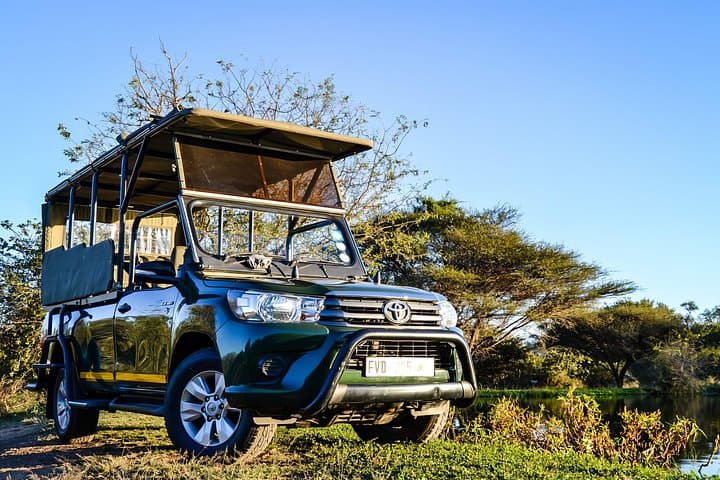
Dust rises on a red sandy track as the Land Cruiser threads through knob-thorn acacia and low mopane woodland. Morning light catches on elephant backs at a distant waterhole; the private guide lifts a hand and the vehicle eases forward—this is Kruger’s rhythm: slow, patient, and observant.
Verified experiences and guided adventures in the surrounding area.
Operated by Dyambu Ngala · Skukuza, Mpumalanga
Dust rises on a red sandy track as the Land Cruiser threads through knob-thorn acacia and low mopane woodland. Morning light catches on elephant backs at a distant waterhole; the private guide lifts a hand and the vehicle eases forward—this is Kruger’s rhythm: slow, patient, and observant.
Kruger National Park occupies nearly two million hectares across Mpumalanga and Limpopo. Its geology is ancient—old granite and basalt outcrops giving way to sandy soils that nurture mopane, marula and fever trees. Colonial and conservation histories converge here: early hunting reserves evolved into the modern park in the 1920s, and today community partnerships and anti-poaching efforts shape how visitors move through the landscape.
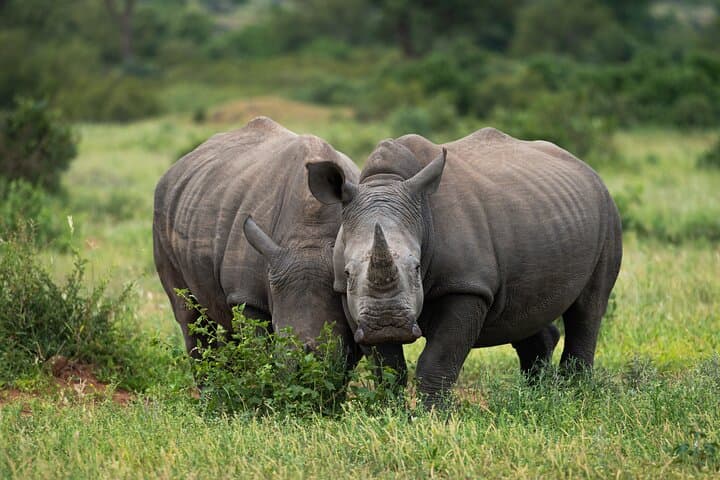
Culture around the park mixes Afrikaans, Zulu and Shangaan influences in nearby towns; park restaurants serve simple meals mid-day that echo local flavors. Wildlife dominates the experience—lions reclining on termite mounds, leopards moving like shadows, rhino dusting themselves, and herds of elephant testing the horizon.
Practically, expect a full-day rhythm: morning drives when predators are most active, a lunch break at a park rest camp around 13:00, then afternoon sightings. Photography benefits from long lenses and steady hands; binoculars and patience reward you more than speed. Wear neutral colors, layer for early chills turning to midday heat, and keep water accessible. Mobile reception is intermittent; rely on your guide’s communication and vehicle. Follow park rules: no leaving the vehicle except at designated areas, and never feed or approach animals. With a private guide you get flexibility—ask about sunrise starts, preferred gates, and conservation topics to deepen your visit.
This private safari runs about 11 hours, typically starting early morning, pausing for lunch at a park restaurant, then continuing into the afternoon.
Yes—entrance fees are included in this experience, as noted in the inclusions.
Private transportation is included—pickup locations are arranged at booking and commonly include Hazyview, Skukuza or nearby lodges.
The tour notes advise that it’s suitable for most fitness levels but is not recommended for pregnant travelers or those with serious back or heart problems.
Dyambu Ngala operates guided outdoor trips and adventures with an emphasis on safety, stewardship, and memorable experiences.

Dust rises on a red sandy track as the Land Cruiser threads through knob-thorn acacia and low mopane woodland. Morning light catches on elephant backs at a distant waterhole; the private guide lifts a hand and the vehicle eases forward—this is Kruger’s rhythm: slow, patient, and observant.
Dust rises on a red sandy track as the Land Cruiser threads through knob-thorn acacia and low mopane woodland. Morning light catches on elephant backs at a distant waterhole; the private guide lifts a hand and the vehicle eases forward—this is Kruger’s rhythm: slow, patient, and observant.
Kruger National Park occupies nearly two million hectares across Mpumalanga and Limpopo. Its geology is ancient—old granite and basalt outcrops giving way to sandy soils that nurture mopane, marula and fever trees. Colonial and conservation histories converge here: early hunting reserves evolved into the modern park in the 1920s, and today community partnerships and anti-poaching efforts shape how visitors move through the landscape.
Culture around the park mixes Afrikaans, Zulu and Shangaan influences in nearby towns; park restaurants serve simple meals mid-day that echo local flavors. Wildlife dominates the experience—lions reclining on termite mounds, leopards moving like shadows, rhino dusting themselves, and herds of elephant testing the horizon.
Practically, expect a full-day rhythm: morning drives when predators are most active, a lunch break at a park rest camp around 13:00, then afternoon sightings. Photography benefits from long lenses and steady hands; binoculars and patience reward you more than speed. Wear neutral colors, layer for early chills turning to midday heat, and keep water accessible. Mobile reception is intermittent; rely on your guide’s communication and vehicle. Follow park rules: no leaving the vehicle except at designated areas, and never feed or approach animals. With a private guide you get flexibility—ask about sunrise starts, preferred gates, and conservation topics to deepen your visit.