THE ADVENTURE COLLECTIVE® · Independent discovery and booking for outdoor travel

Head into Kruger at first light on a full-day guided safari from Hazyview. Expect long dirt tracks, riverine thickets, and deliberate game drives designed to maximize sightings of the Big Five and rich birdlife.
Head into Kruger at first light on a full-day guided safari from Hazyview. Expect long dirt tracks, riverine thickets, and deliberate game drives designed to maximize sightings of the Big Five and rich birdlife.
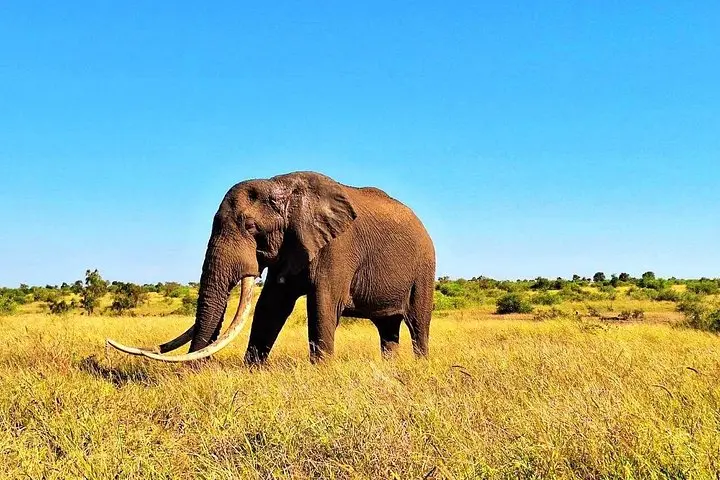
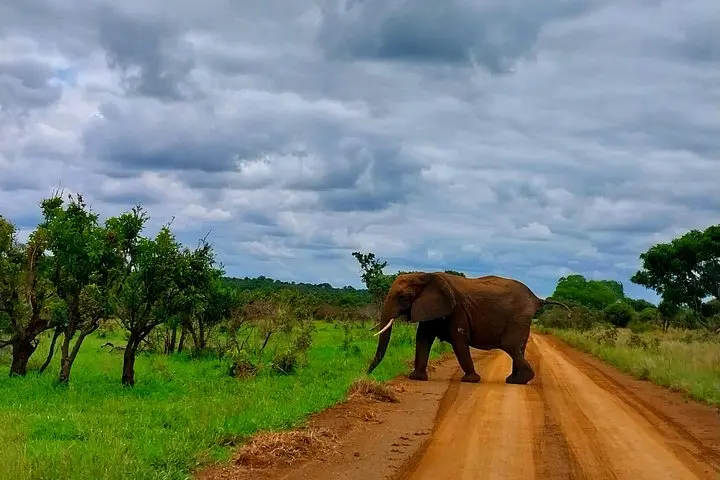
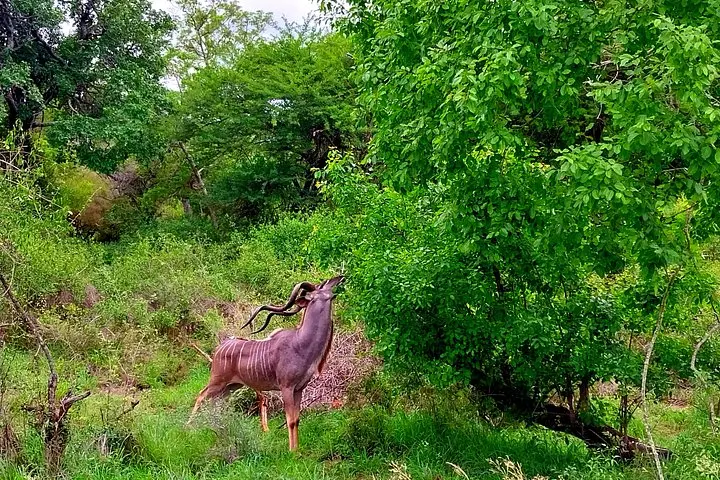
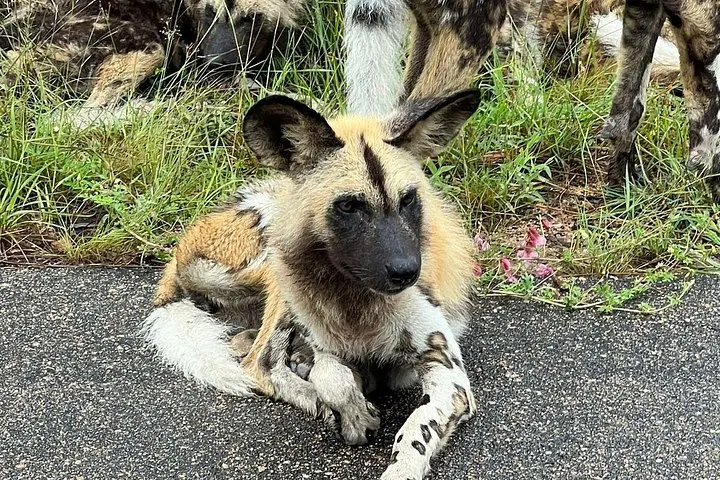
You step into the predawn hush as the vehicle rolls toward Kruger National Park, the landscape unfurling from Hazyview into lowveld savanna. The air is cool, birds break the silence, and tracks—both human and animal—cut across drying pans. By first light the grasses stir and the park takes on a slow, deliberate watchfulness: elephants amble, raptors wheel, and the chance to encounter a Big Five animal shapes every drive.
Verified experiences and guided adventures in the surrounding area.
Operated by Eye Travel Africa · Hazyview, Mpumalanga
You step into the predawn hush as the vehicle rolls toward Kruger National Park, the landscape unfurling from Hazyview into lowveld savanna. The air is cool, birds break the silence, and tracks—both human and animal—cut across drying pans. By first light the grasses stir and the park takes on a slow, deliberate watchfulness: elephants amble, raptors wheel, and the chance to encounter a Big Five animal shapes every drive.
Kruger is one of Africa’s oldest conservation areas, formalized in the 1920s and named after President Paul Kruger. Geologically the region is ancient—gneiss and granite outcrops punctuate broad sandstone plains—creating a mix of habitats that support diverse large mammals and a rich bird list including martial eagles and kingfishers.
Local guides draw on generational knowledge of animal patterns and the seasonal movements that make Kruger dynamic; they also translate cultural context from nearby communities, where languages like Tsonga and Swazi remain part of daily life. Expect wide dirt roads, intermittent shade from mopane and fig trees, and riverine corridors that lure wildlife.
Practical points: departures are early (vehicles enter around 05:30), the full-day tour runs roughly 9–10 hours with scheduled coffee and lunch breaks at park camps (meals at guests’ expense). Bottled water and transport are provided; park entrance fees are typically not included—confirm before booking. Wear neutral clothing, bring binoculars, sunscreen, and a light layer for morning cold. Maintain distance, follow your guide, and keep camera ready: sightings are never guaranteed, but the day's structure maximizes your chances.
No—Kruger is a wild landscape and sightings cannot be guaranteed. Guides use knowledge of recent movements to improve odds, but animals roam freely over large areas.
Park entrance fees are often not included—check the booking details and be prepared to pay the applicable conservation fee on the day if required.
The tour is wheelchair and stroller accessible according to the provider, and is generally suitable for children; infants must sit on laps—confirm specific needs when booking.
Kruger is in a malaria zone; consult a travel health professional about prophylaxis and take standard mosquito precautions—this tour description is not a substitute for medical advice.
Eye Travel Africa operates guided outdoor trips and adventures with an emphasis on safety, stewardship, and memorable experiences.
You step into the predawn hush as the vehicle rolls toward Kruger National Park, the landscape unfurling from Hazyview into lowveld savanna. The air is cool, birds break the silence, and tracks—both human and animal—cut across drying pans. By first light the grasses stir and the park takes on a slow, deliberate watchfulness: elephants amble, raptors wheel, and the chance to encounter a Big Five animal shapes every drive.
You step into the predawn hush as the vehicle rolls toward Kruger National Park, the landscape unfurling from Hazyview into lowveld savanna. The air is cool, birds break the silence, and tracks—both human and animal—cut across drying pans. By first light the grasses stir and the park takes on a slow, deliberate watchfulness: elephants amble, raptors wheel, and the chance to encounter a Big Five animal shapes every drive.
Kruger is one of Africa’s oldest conservation areas, formalized in the 1920s and named after President Paul Kruger. Geologically the region is ancient—gneiss and granite outcrops punctuate broad sandstone plains—creating a mix of habitats that support diverse large mammals and a rich bird list including martial eagles and kingfishers.
Local guides draw on generational knowledge of animal patterns and the seasonal movements that make Kruger dynamic; they also translate cultural context from nearby communities, where languages like Tsonga and Swazi remain part of daily life. Expect wide dirt roads, intermittent shade from mopane and fig trees, and riverine corridors that lure wildlife.
Practical points: departures are early (vehicles enter around 05:30), the full-day tour runs roughly 9–10 hours with scheduled coffee and lunch breaks at park camps (meals at guests’ expense). Bottled water and transport are provided; park entrance fees are typically not included—confirm before booking. Wear neutral clothing, bring binoculars, sunscreen, and a light layer for morning cold. Maintain distance, follow your guide, and keep camera ready: sightings are never guaranteed, but the day's structure maximizes your chances.